Some of the most fragile years in film history survived because early producers printed their moving pictures onto paper. The rolls could not be projected. They were made to satisfy the Copyright Office, one frame after another, as though a film were an exceptionally long photograph.
Edison’s company and its rivals were trying to protect commercial property. They did not intend to create one of the world’s great film archives. Yet nitrate film decomposed, burned or was discarded, while thousands of paper deposits remained at the Library of Congress.
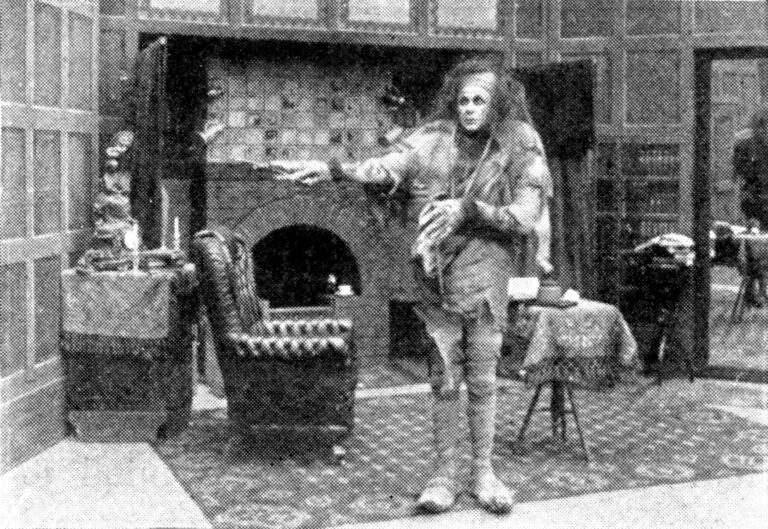
The Paper Print Collection preserves comedies, dramas, news events, vaudeville acts, trains, street scenes, wars and ordinary work. In many cases the paper roll is the only surviving record. A legal workaround became a time machine.
A motion picture without a copyright category
American copyright law did not recognise motion pictures as a distinct class until 1912. Producers nevertheless needed protection. Films were easy to duplicate, and companies frequently copied one another’s subjects to meet exhibitor demand.
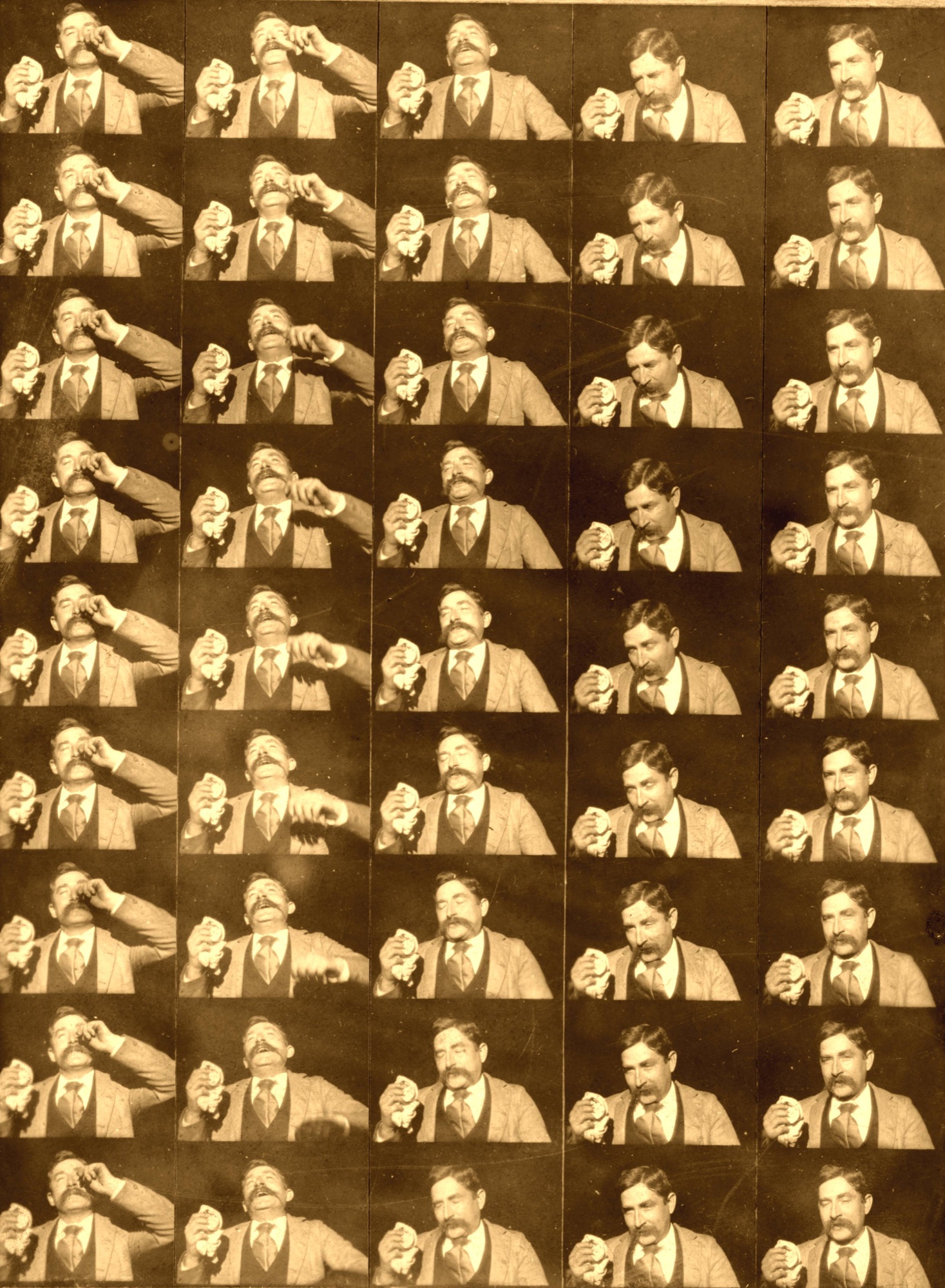
The available solution was to register the work as photography. A positive image was exposed frame by frame onto a paper strip the width and length of the film. The result resembled a roll of contact sheets: thousands of tiny still photographs arranged in sequence.
The Library of Congress began collecting motion-picture copyright material in 1893, when Edison and W. K. L. Dickson deposited “Edison Kinetoscopic Records”. Recent Library research identifies The Blacksmith Shop as the first film registered. Regular deposits expanded as the industry grew.
Why Edison wanted protection
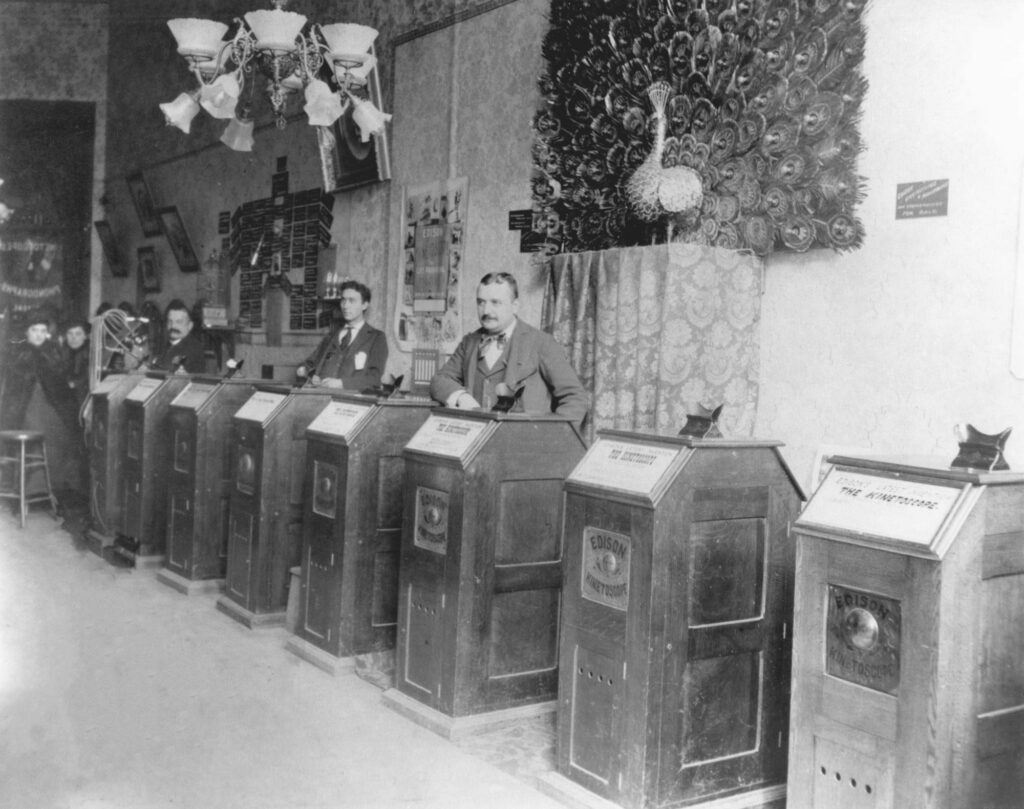
Edison’s film business sold prints to exhibitors. If a competitor copied a popular subject, the original producer lost sales. Copyright was one defence alongside patents covering cameras, viewers and projectors.
The company began making regular paper deposits in the 1890s. Each roll documented the sequence of images well enough to establish what was being claimed. The Copyright Office acquired the legal specimen; the producer retained film materials for business use.
The purpose was defensive and immediate. Nobody in the 1890s could know which five-second experiment, boxing match or street scene later historians would consider irreplaceable.
Paper survived what nitrate did not
Early motion-picture film used cellulose nitrate. It produced a clear, flexible image but was highly flammable and chemically unstable. Poorly stored reels could shrink, decompose into sticky or powdery material, and contribute to destructive fires.
Commercial films were also treated as temporary goods. Once a subject stopped earning money, storage occupied space. Companies recycled, destroyed or neglected prints and negatives. Edison’s own film facilities suffered losses, and the wider silent-film record is full of gaps.
Photographic paper had different vulnerabilities, but it did not burn with the violence of nitrate. Rolls placed in government custody remained after the projectable originals vanished. The very medium’s uselessness for exhibition helped protect it from commercial wear.
More than 3,000 titles
The Library describes approximately 3,000 titles in the core Paper Print Collection, mostly dating from 1894 to 1912, with a small number of later deposits. Other Library descriptions count roughly 6,500 paper-print objects or rolls; one title could require more than one physical roll or deposit.
The collection is not exclusively Edison. American Mutoscope and Biograph and other producers deposited films. Most are American, but material from Britain, France and Denmark is also represented.
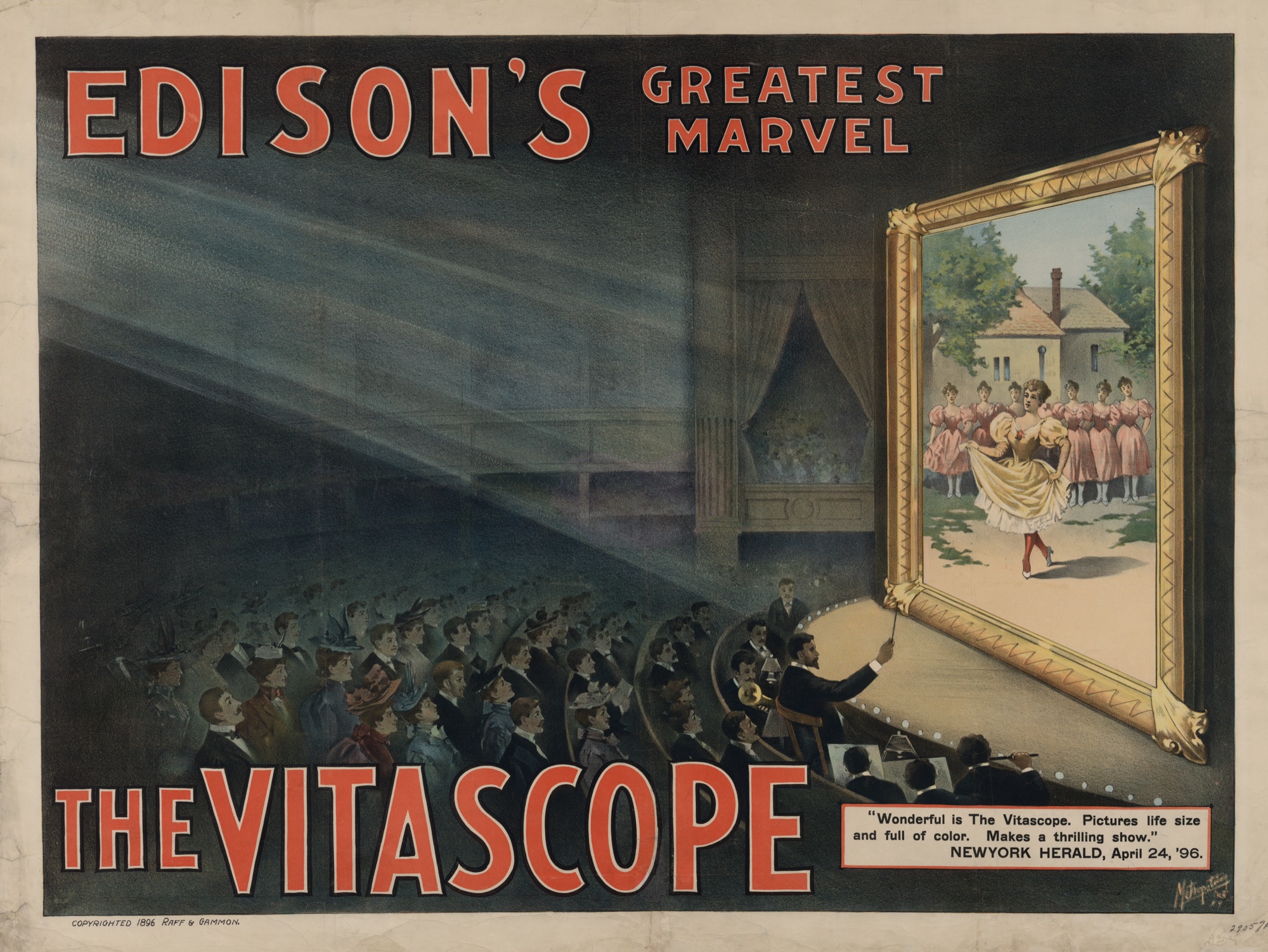
The range is extraordinary: actual events and staged “actualities”, sporting contests, factories, urban transport, fires, parades, expositions, melodramas and slapstick. The paper preserves both cinema’s developing grammar and unplanned views of the world placed before the camera.
How paper became film again
A paper roll cannot pass through a projector. To recover the motion, technicians photographed each paper image back onto film in sequence. The Library produced reference prints and negatives and has continued making improved preservation copies from the original rolls.
The process requires judgement. Paper can curl, tear, fade or vary in exposure. Frame edges and perforations may remain visible. Projection speed is not always obvious because early cameras were hand-cranked and films were shown at different rates.
Restoration therefore does not deliver an untouched original. It creates the best moving representation available from a legal photographic copy. Damage and uneven rhythm are part of the surviving evidence.
What a paper print cannot preserve
The recovered frames are extraordinarily valuable, but they are not the entire original performance. A paper strip carries no colour applied to a release print by tinting, toning or hand painting unless that colour happened to be reproduced in the deposit. It does not preserve the music, lecturer’s words or sound effects supplied in a theatre. It may omit the exact order in which an exhibitor arranged several short subjects.
Speed is another uncertainty. A hand-cranked camera did not expose every scene at a perfectly fixed rate, and exhibitors could project at different speeds. Modern transfer must choose how many frames to show each second. A movement that looks hurried may reflect the conversion as much as the actor.
The collection is therefore both film and evidence about film. It preserves the photographed action with remarkable completeness while requiring catalogues, copyright records, music histories and exhibition accounts to reconstruct what an audience experienced.
Fred Ott sneezes forever
Edison Kinetoscopic Record of a Sneeze lasts only seconds. Edison employee Fred Ott takes snuff and sneezes towards the camera. Dickson and cameraman William Heise filmed the action at the Black Maria in January 1894.
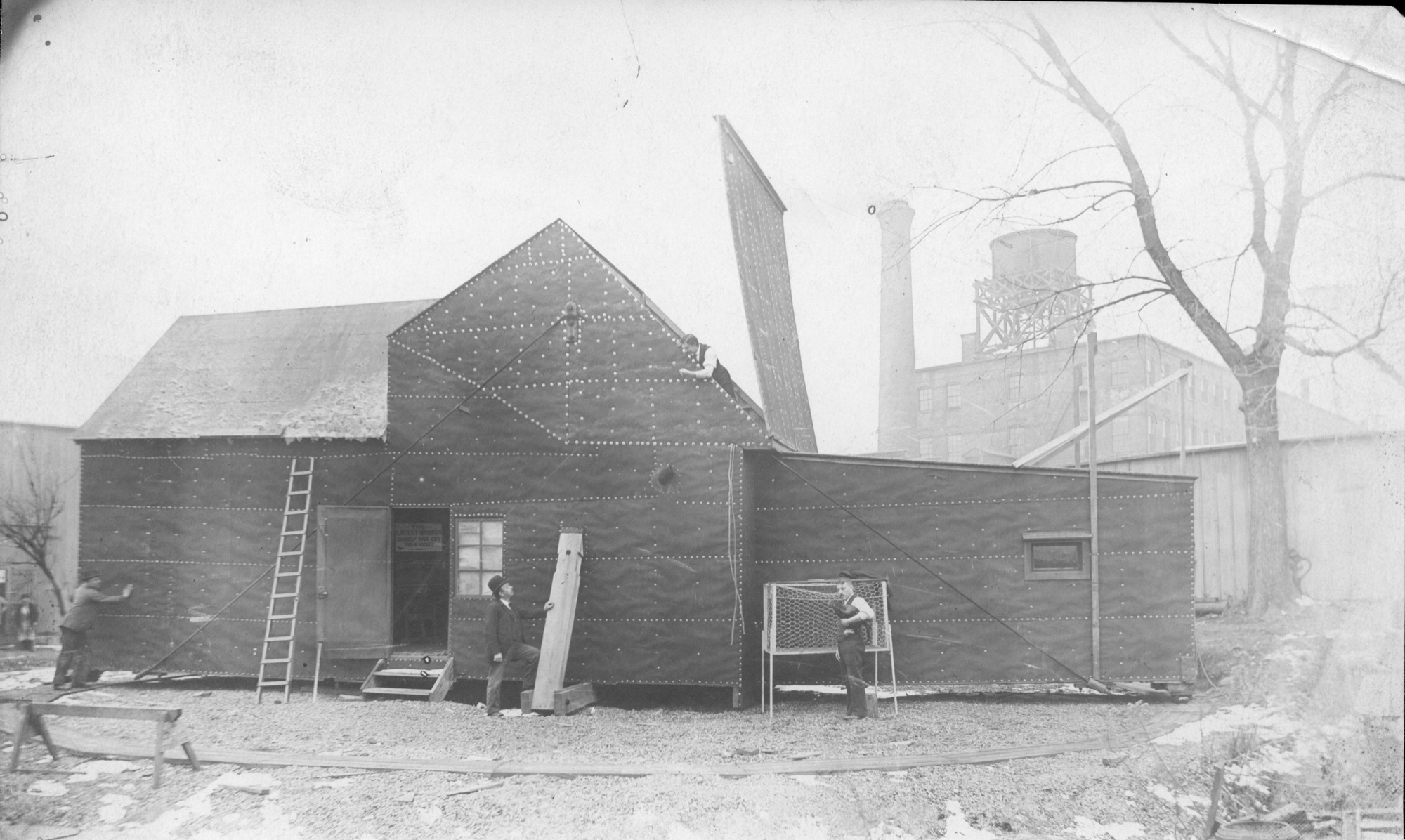
The subject was made partly for publicity and copyright purposes rather than narrative ambition. That modest origin is what makes it so revealing. The film shows an employee performing an office joke, a new camera capturing a recognisable instant and a company learning how moving images could become property.
The Library’s records also expose uncertainty. Two registrations have been associated with the sneeze, and the precise relationship between surviving photographic and paper materials is not perfectly clear. Archives preserve questions as well as answers.
The Great Train Robbery and films worth saving
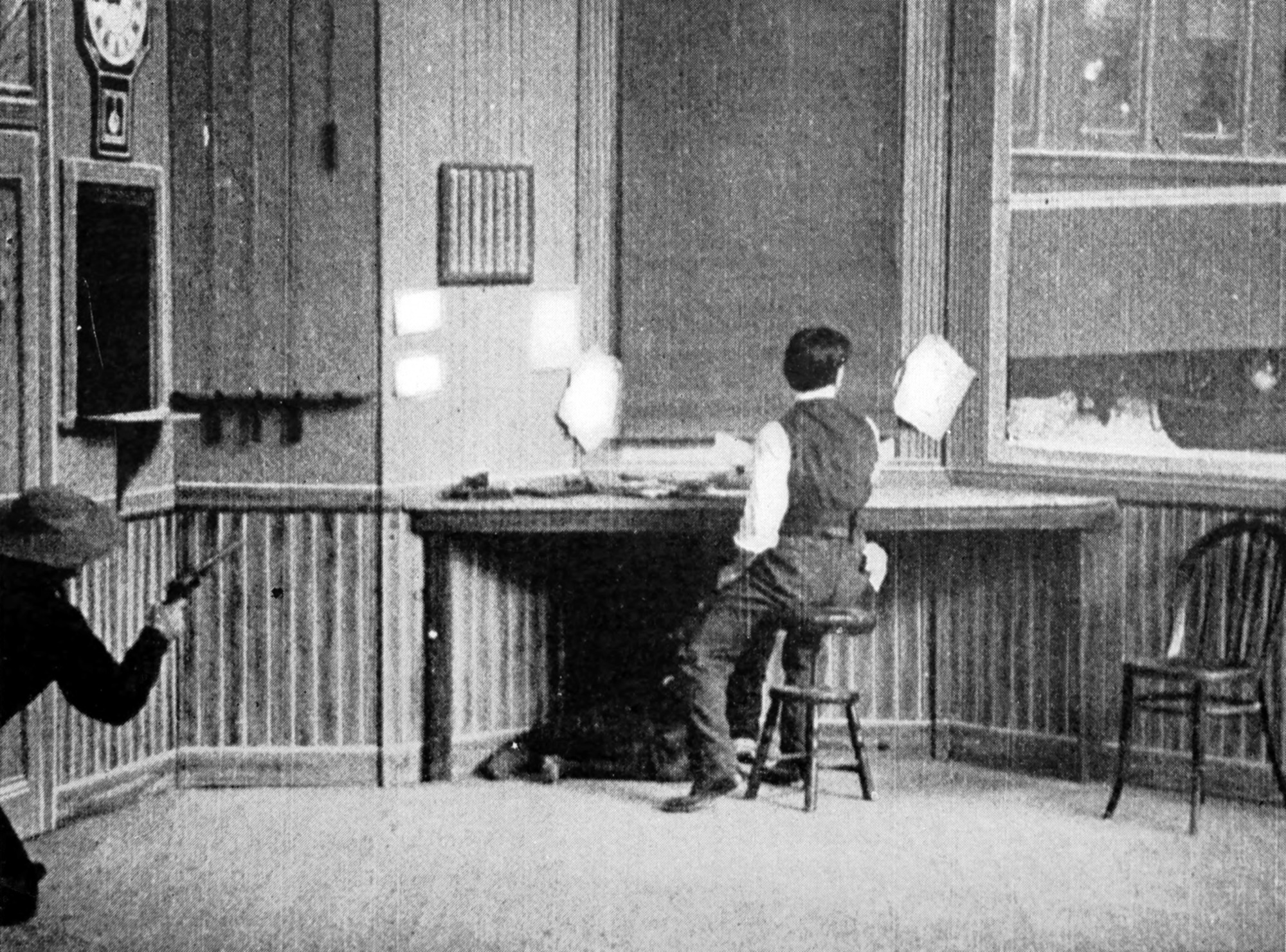
By 1903 Edison films had moved far beyond laboratory snippets. Edwin S. Porter’s The Great Train Robbery combined multiple scenes into a popular crime story. It used location work, cross-cut action and a famous close view of a bandit firing towards the camera.
The Paper Print Collection preserves important Edison and non-Edison titles from the years when cinema was learning to tell longer stories. It also prevents the period being represented only by films that later collectors happened to value.
A routine factory view may matter as much to a labour historian as a famous drama matters to a film scholar. Legal deposits selected broadly because companies wanted to protect products, not because an archivist was predicting a canon.
War, news and reconstruction
Films of the Spanish-American War demonstrate another value. Cameramen recorded troops, ships, parades and scenes in Cuba, while studios staged battles that were too dangerous or impossible to photograph. Paper deposits preserve both observation and reconstruction.
Modern viewers must resist treating every early “war film” as direct news footage. Company catalogues, locations and production records identify reenactments made in New Jersey with National Guard troops. The paper image is authentic evidence of what audiences saw, even when the scene represented an event that occurred elsewhere.
This distinction makes the collection a history of media as well as events. It shows how producers packaged news before documentary conventions had settled.
Why the practice ended
The 1912 copyright revision recognised motion pictures in their own right. Producers no longer needed to disguise a film as a sequence of still photographs. Paper-print deposits declined rapidly, although a few later titles entered the collection.
The change made legal sense but removed the accidental preservation advantage. For a time the Library did not wish to retain volatile nitrate copies and returned film deposits after registering them. Descriptive material survived where film did not.
The paper era therefore occupies a fortunate gap: cinema was commercially important enough to copyright, the law was old enough to require a photographic workaround, and the government retained the resulting rolls.
From vault to public screen
Preservation did not end when the rolls survived. Librarians first had to recognise them as moving-picture sources, arrange thousands of deposits and connect variant titles with company records. Technicians then copied the frames back to film, and later digitisation allowed audiences to view many titles without repeatedly handling the paper originals.
Access changes scholarship. A title once known only from an advertisement can be studied shot by shot; a street scene can be enlarged for evidence about clothing, buildings and traffic; a performer can be compared across companies. Digital copies do not remove the need to conserve the paper, because each new transfer may recover detail missed by an earlier process.
The collection’s second life is therefore the work of archivists as much as an accident of copyright. The law created the objects. Continued cataloguing, preservation and public access turned those objects into an archive.
An archive created by accident
It is tempting to credit Edison with “saving” early cinema. That would repeat the solitary-hero mistake. Edison’s company deposited films to protect its income. Other producers did the same. Copyright officials retained the material. Later librarians, technicians and preservationists recognised its importance and painstakingly returned the images to motion.
Edison and Dickson nevertheless stand at the beginning. Their 1893 registration helped establish the path that produced the collection, and the company’s extensive deposits preserve a large record of its work.
The paper prints survive because law, chemistry and bureaucracy intersected in an unexpected way. Nitrate carried the moving image to audiences; paper carried it through time.
Sources and further reading
- Library of Congress, “The Paper Print Film Collection” – copyright procedure, scope and preservation importance.
- Library of Congress, “Early Motion Pictures Free of Copyright Restrictions” – approximately 3,000 titles, dates and access information.
- Library of Congress, Moving Image Research Guide – 1893 deposits and the legal position before and after 1912.
- Library of Congress, identification of the first copyrighted motion picture – The Blacksmith Shop and the early copyright record.
- Library of Congress, Edison Kinetoscopic Record of a Sneeze – production and registration details.
- Library of Congress, “Digitizing the Collection” – transfer of paper rolls back to motion-picture film.