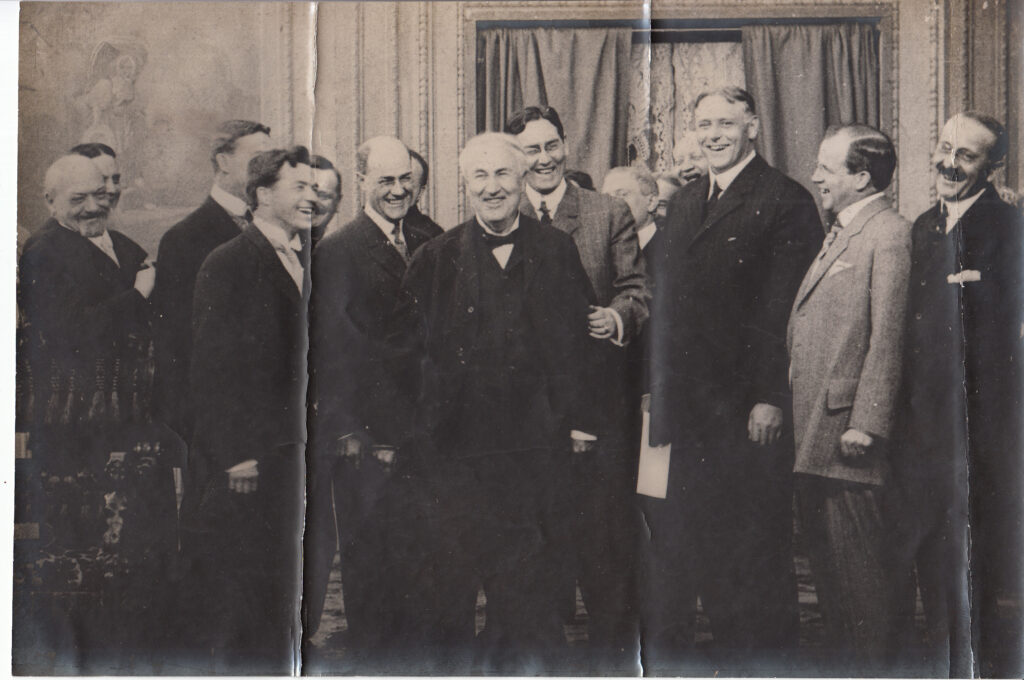
In December 1908 ten businesses announced an arrangement that appeared capable of deciding who could make, distribute and show films in the United States. At its centre stood patents controlled by Thomas Edison and the American Mutoscope and Biograph Company. The new Motion Picture Patents Company soon acquired a more memorable name: the Edison Trust.
It has been blamed for driving filmmakers to Hollywood and trying to strangle cinema at birth. There is truth beneath the legend, but the usual version is too neat. The Trust imposed licences and collected fees; independents resisted it; federal courts eventually destroyed its power. Hollywood, however, grew for many reasons, and Edison was not the only man behind the organisation.
Patents in a chaotic business
Early motion pictures were full of overlapping claims. Edison’s company held important patents associated with the Kinetograph and standard perforated film. Biograph controlled a camera patent based on a different mechanism. Producers and equipment makers sued one another while exhibitors worried that a machine purchased today might be enjoined tomorrow.
The conflict was not simply invention against piracy. Some businesses wanted stable standards and predictable access to films. Patent owners wanted payment and control. The 1908 agreement pooled key rights and licensed a selected group of manufacturers.
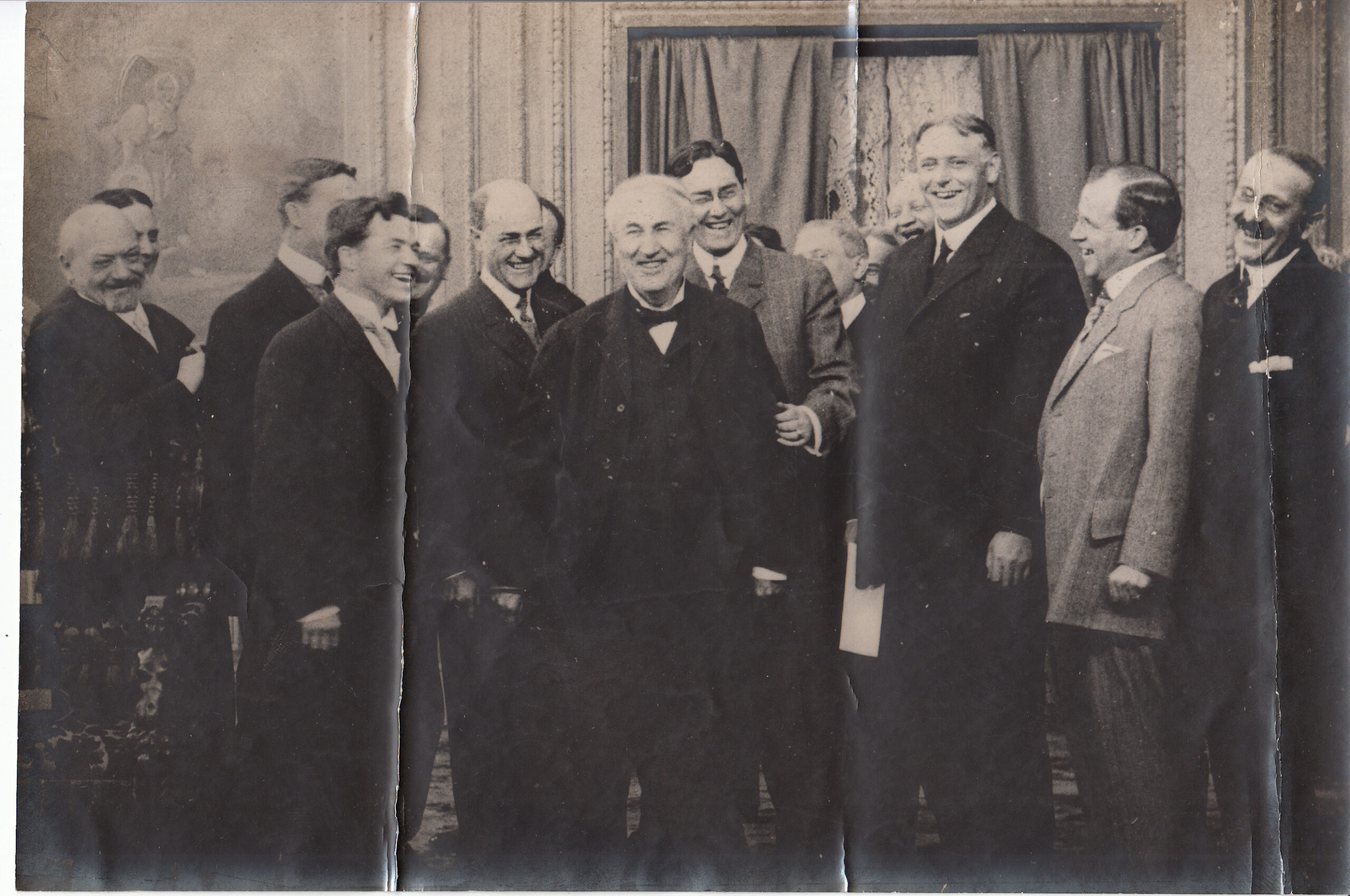
Besides Edison and Biograph, the licensed group included Vitagraph, Selig, Essanay, Lubin, Kalem, Méliès and Pathé’s American interests, with George Kleine as an importer. Eastman Kodak agreed to sell raw film chiefly to licensed manufacturers. The General Film Company later attempted to organise distribution.
How the Trust worked
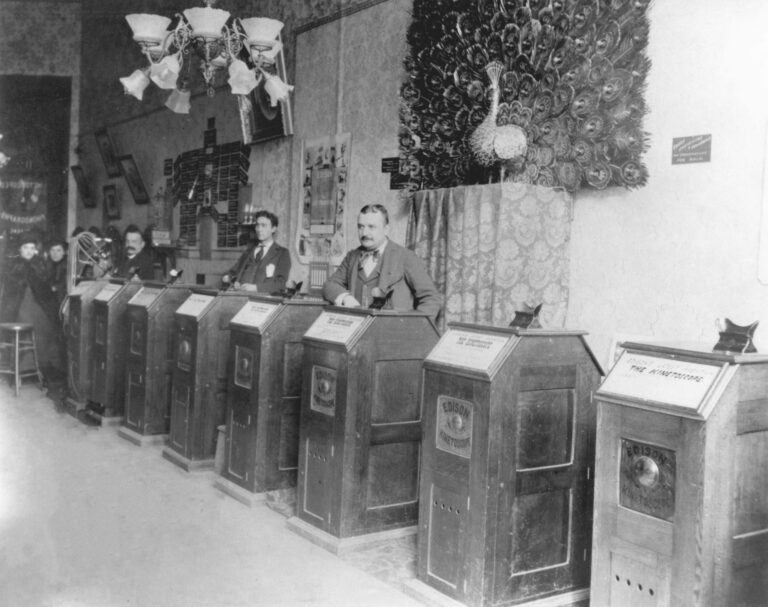
Licensed producers paid fees and observed rules. Exchanges distributed approved films; exhibitors using licensed projectors also paid. A metal licence plate on a machine signalled participation. The arrangement offered regular supply and reduced some patent uncertainty, but it excluded competitors who refused its terms.
The MPPC preferred short films and a steady turnover of programmes. At first this reflected the market: many nickelodeons changed their bill frequently, and one-reel subjects fitted established routines. As audiences became interested in longer stories and identifiable actors, independent producers proved more willing to experiment.
Enforcement depended on litigation and commercial pressure, not a private army. Popular accounts sometimes describe Trust agents smashing cameras or shooting at filmmakers. Violence occurred in the rough early industry, but the most consequential weapons were injunctions, supply restrictions and the threat of expensive legal proceedings.
The independents fight back
Carl Laemmle’s Independent Moving Pictures Company, William Fox’s rental interests and other unlicensed businesses challenged the system. They imported equipment, disputed patents and cultivated stars whom Trust companies had often kept anonymous. Laemmle’s publicity for Florence Lawrence helped demonstrate the selling power of a performer’s name.
In 1912 independents formed Universal. Adolph Zukor developed feature-length productions and a different model of distribution. Fox built the company that would become Fox Film. These men were not powerless artists fleeing a single oppressor; they were ambitious entrepreneurs constructing rival combinations.
The struggle accelerated a change in the industry. A business organised around machinery patents and short-film supply gave way to companies organised around stars, feature pictures, national distribution and ownership of theatres.

What exhibitors and audiences experienced
For an exhibitor, the patent struggle was not an abstract argument in Washington. It affected which projector could be installed, where films could be rented and whether a programme might bring a legal threat. The licence fee was one cost among rent, electricity, musicians, staff and frequent changes of film.
The Trust’s regular release schedule supplied a dependable stream of short subjects. That order helped a young business, but it could also make programmes feel interchangeable. Independents discovered that a feature advertised by title, story and star could remain on screen longer and justify higher admission.
Audiences therefore helped defeat the patent-centred order. They learned to recognise performers, followed serials and accepted longer narratives. A legal combination controlling equipment could not easily control desire. By the time a court announced that the Trust had overreached, customers had already changed the definition of a valuable film.
Distribution becomes the battlefield
The General Film Company bought many local exchanges and attempted to centralise rental for the licensed producers. Distribution was the bridge between studio and thousands of cinemas; control there could matter more than ownership of a camera patent.
Independent companies responded by creating their own exchanges and making exclusive arrangements. Some adopted “states rights”, selling territorial rights to distributors. Others moved towards national systems. These experiments laid foundations for the integrated studios that later controlled production, distribution and theatres.
The victors over the Trust did not create a permanently open market. Hollywood’s major companies developed their own concentrated power. The object of control changed from patents to stars, film libraries and theatre access.
Did the Trust create Hollywood?
The famous story says filmmakers moved to California so they could escape Edison’s detectives and cross the Mexican border if a patent suit arrived. Distance from the Trust’s eastern headquarters may have been attractive to some independents, but it does not adequately explain Hollywood.
Southern California offered reliable sunlight, varied scenery, open land and access to a large city. Rail connections made travel possible, and local businesses welcomed production. Companies also filmed in Jacksonville, San Antonio, Chicago, New York and New Jersey. The shift west was gradual rather than a single flight.
By 1915 Los Angeles had become the leading production centre. Patent resistance belonged to that history, but weather, geography, labour and real estate were equally important. Saying Edison “created Hollywood by accident” turns a complex migration into a clever punchline.
The courts intervene
The Trust’s legal position weakened as patents expired or were narrowed. In 1915 a federal district court found the MPPC’s arrangements violated antitrust law. An appellate court upheld the central judgement. The company could not use a patent pool to control commerce far beyond the inventions covered.
Another important decision concerned film projectors and the use of unlicensed films. Patent rights did not give unlimited authority over every article used with a patented machine. The courts were drawing a boundary between protecting an invention and extending control through an industry.
By the time the legal defeat arrived, the market had already moved. Feature films, stars and new distribution systems were displacing the Trust’s preferred order. The organisation failed not only because independents defied it, but because it defended a business structure that was becoming old.
Edison’s own film company declines
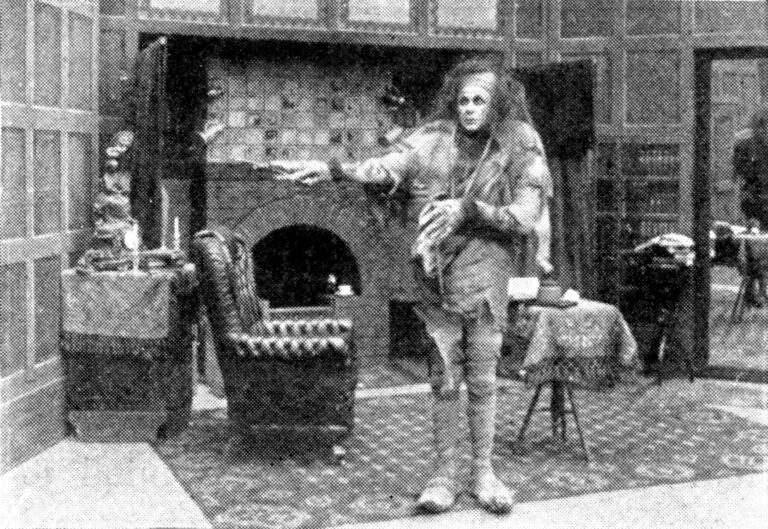
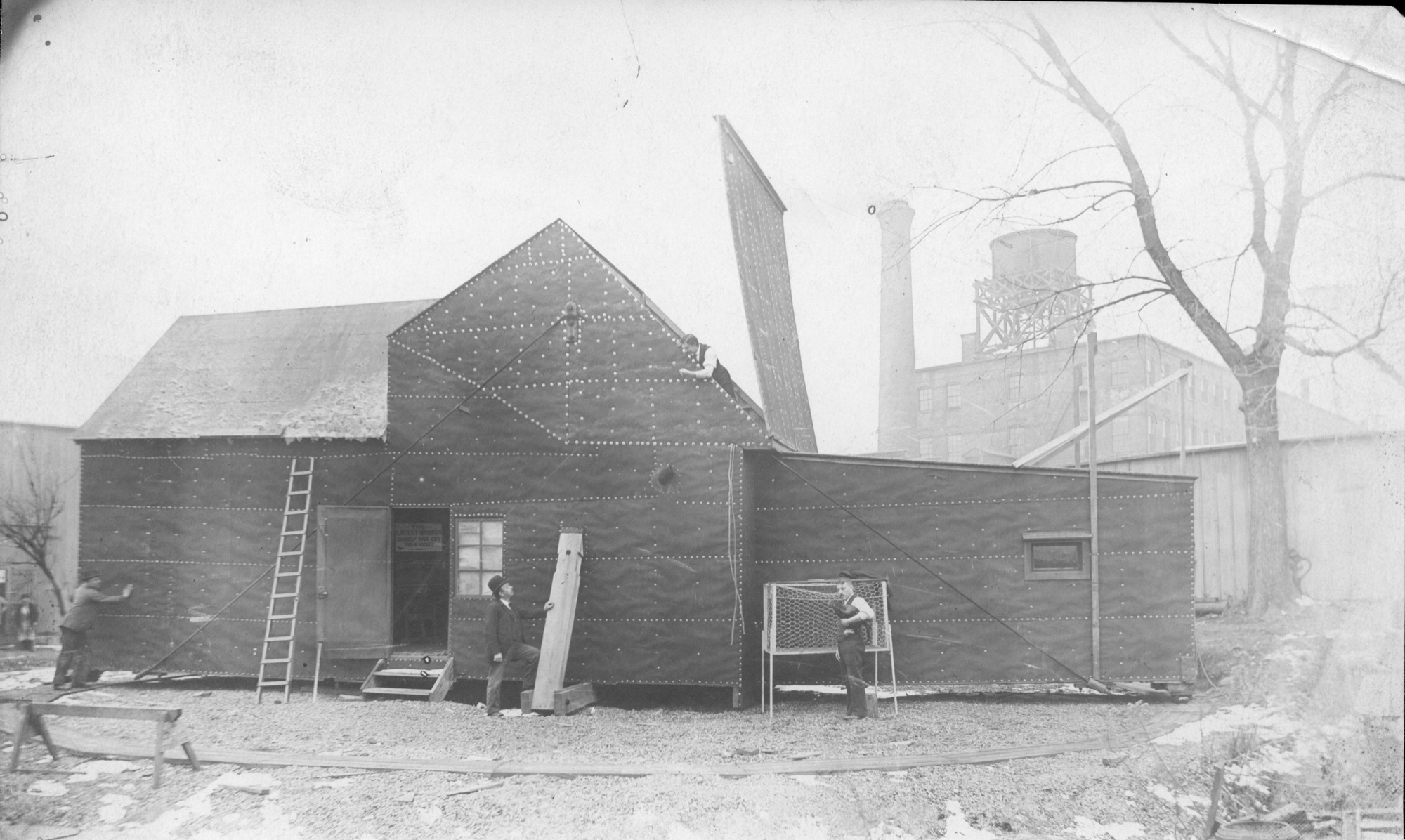
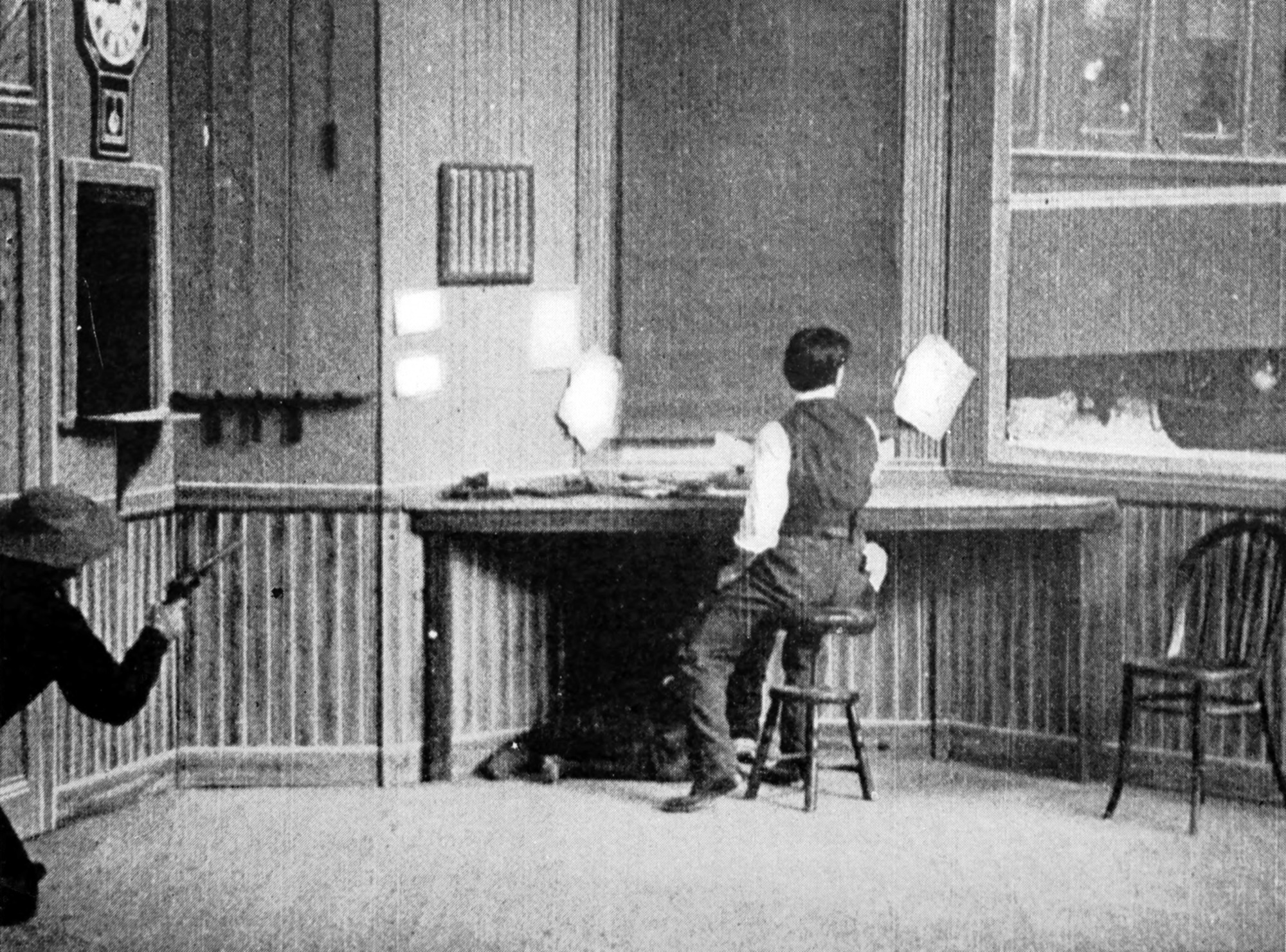
Edison’s name gave the MPPC its popular identity, yet his company did not dominate the new era. It had produced important early films, including The Great Train Robbery, and maintained studios in New York and the Bronx. It struggled to create a stable roster of stars and features capable of matching newer firms.
Edison’s personal interest remained strongly technical. He valued standardisation, patents and apparatus, while the industry increasingly rewarded stories, personalities and control of theatres. The Edison company left film production in 1918.
Monopoly or attempted order?
The Motion Picture Patents Company presented itself as a way to end destructive litigation and stabilise the trade. That was not wholly false. Shared standards and licences can enable a new industry to function. The problem was the breadth and manner of control. Approved companies received access; outsiders faced a coordinated barrier involving patents, film stock and distribution.
Calling it a monopoly is justified in discussing its ambition and antitrust judgement, but not if the word implies complete control. Independents flourished, audiences changed and the Trust never mastered the entire market.
The Trust’s real legacy
The Edison Trust did not single-handedly give birth to Hollywood. It did help define the enemy against which independent producers organised. Its dependence on machinery patents exposed how quickly power could migrate in a creative industry—from camera to film, from film to star and from star to theatre chain.
Edison had helped turn moving images into a business. The patent pool was an attempt to keep that business inside boundaries established during its first decade. Cinema escaped those boundaries. The most important consequence was not merely that the Trust lost, but that a new kind of film company won.
The episode is thus less a fable of freedom defeating one villain than a change between industrial regimes. Edison’s group tried to govern entry through machinery rights. The next generation governed success through finance, distribution and screens. Independent filmmakers gained room to grow, but the industry did not cease producing gatekeepers.
The name “Edison Trust”
Opponents found “Motion Picture Patents Company” dry and legalistic. “Edison Trust” attached the policy to the industry’s best-known figure. Edison patents were central, and his company was a powerful member, but Biograph’s patent and the cooperation of Eastman Kodak were also essential.
The nickname remains useful if it is not allowed to erase the coalition. Decisions came from companies with sometimes competing interests. Some licensees wanted longer films or different release practices; patent peace did not produce complete commercial agreement.
Personalising the Trust around Edison also makes its defeat resemble the downfall of one inventor. In fact the organisation weakened through patent decisions, antitrust law, rebellious distributors and a market moving towards features. No single courtroom scene ended its influence overnight.
What remained after dissolution
Standard 35-millimetre film and regular distribution survived because an industry needed them, not because the Trust continued. The distinction between a useful standard and coercive control is central. Shared technical rules can widen a market; licensing rules can close entry.
The antitrust cases did not reject patents. They restricted using particular patent rights to command unpatented supplies and downstream commerce. That legal principle reached far beyond motion pictures.
Sources and further reading
- Library of Congress, “Fictional Films Dominate” – MPPC formation and independent competition.
- Library of Congress, “Decline of the Edison Company” – litigation, features and closure.
- Library of Congress, “From Peep Show to Palace” – changes in production and exhibition.
- Motion Picture Patents Co. v. Universal Film Mfg. Co., 243 U.S. 502 (1917) – limits on patent control after sale.