Samuel Insull arrived in New York in 1881 as Thomas Edison’s twenty-one-year-old private secretary. He took dictation, guarded access and mastered the swarm of companies growing around electric light. Within two decades he was building a utility empire in Chicago. Within five, that empire had collapsed and he was answering fraud charges before juries.
Insull’s career joined Edison’s invention to the modern electricity business. Edison showed how a central station could supply a district. Insull learned how finance, rate structures, larger generators and monopoly franchises could supply entire cities. He did not merely carry Edison’s papers; he carried the system into a different scale.
A London clerk chosen for New York
Insull was born in London in 1859 and entered office work as a teenager. His ability with shorthand and business detail brought him to the attention of Edison’s British associate Edward Hibberd Johnson. When Edison needed a secretary, Insull crossed the Atlantic.
The title “secretary” understates the post. Edison worked at speed, moved among technical and financial questions and disliked routine paperwork. Insull translated dictation into letters, organised meetings, followed commitments and learned which investor or engineer mattered to which enterprise.
He was ambitious and intensely loyal. Edison depended on his memory and energy, while Insull received an unrivalled education in the commercial construction of a new industry.
Pearl Street and the business of current
The Pearl Street station began service in lower Manhattan in September 1882. It demonstrated more than generators and lamps. A utility had to connect customers, measure consumption, maintain underground conductors, collect payment and balance demand against the capacity of its machinery.
Electricity could not be stored economically at station scale. A generator built for the evening lighting peak stood underused during other hours. The cost of the entire system had to be recovered from the current sold across a changing daily load.
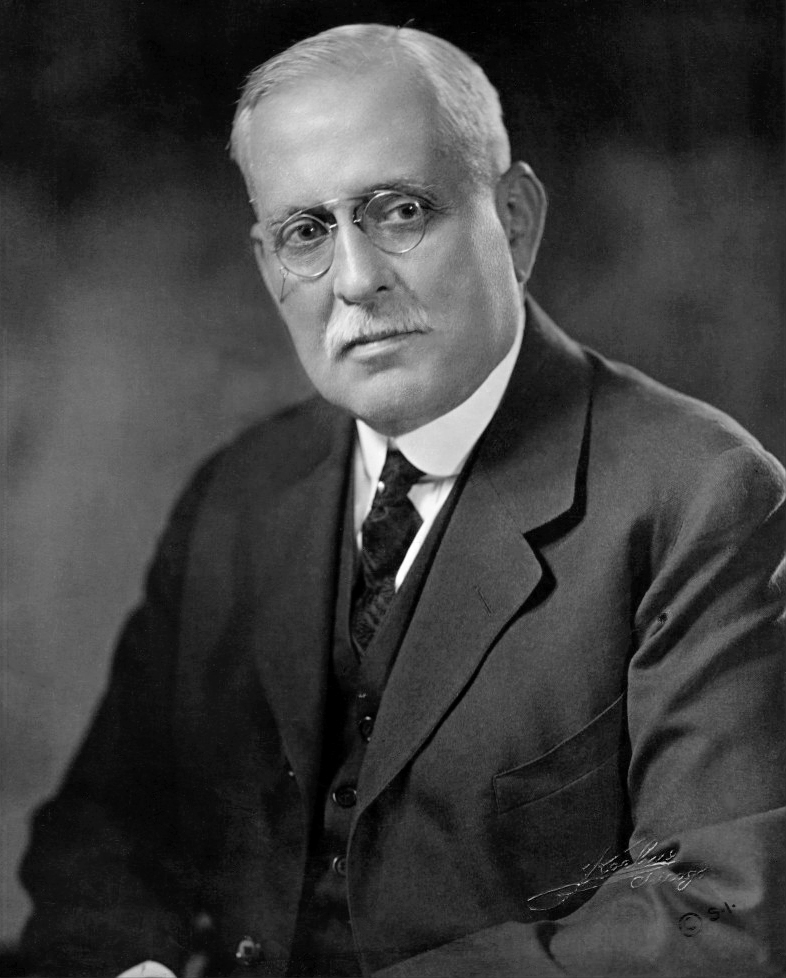
Insull absorbed these lessons through company administration and manufacturing. He became a senior executive in Edison General Electric and managed works at Schenectady. When that company merged with Thomson-Houston to create General Electric in 1892, Edison lost influence and Insull soon chose a different path.
Chicago and a fragmented market
In 1892 Insull became president of the Chicago Edison Company. The city had numerous small electric companies, isolated plants and incompatible service territories. Competition sounded healthy but often duplicated generators and conductors while leaving equipment idle.
Insull argued that electricity supply was a natural monopoly. One integrated network could serve customers more cheaply than parallel local systems. In return for monopoly territory, a utility should accept public regulation of its rates and standards.
He consolidated companies, expanded generating stations and invested in transmission. Chicago Edison became Commonwealth Edison in 1907. Larger turbines and a broader customer base lowered unit costs.

Selling more electricity, more cheaply
Insull’s central idea was load factor: the relationship between average use and maximum capacity. A station used only for lamps in the evening was an expensive asset. Street railways, factories, lifts and domestic appliances could consume power at other times.
He developed rate structures reflecting a customer’s pattern of demand. A large industrial user taking steady current might receive a lower rate than a customer imposing a brief peak. As utilisation improved, prices could fall, drawing in more customers and raising utilisation again.
This cycle helped turn electric service from a luxury into infrastructure. It also required enormous capital. Power stations and transmission lines had to be financed before future revenue arrived.
The regulated monopoly bargain
Insull argued that a utility should receive an exclusive territory because duplicating wires and stations wasted capital. In exchange, a public commission would examine costs and approve rates. Investors gained a more predictable return; consumers gained a formal protector against monopoly pricing.
The bargain helped attract long-term money for infrastructure. It also depended upon regulators possessing reliable information and independence from the companies they supervised. A utility knew its costs better than any commission and could use that advantage.
Insull promoted state regulation partly because municipal politics and repeated franchise fights created uncertainty. Regulation was not simply imposed upon reluctant industry. It could stabilise and legitimate private monopoly.
Rural power and regional networks
Dense cities offered many customers close to conductors. Rural service was more expensive: long lines reached fewer users, and farms initially used limited current. Insull’s companies extended systems into smaller communities where demand could be joined to the regional load.
High-voltage transmission allowed generating stations to be larger and located near fuel or water. Alternating current made this network practical, despite Edison’s earlier preference for low-voltage direct-current districts.
Insull’s mature empire thus combined Edison’s central-supply ideal with technologies developed through the competing alternating-current industry. The utility was an evolving system, not a monument to one inventor’s original design.

From utility to empire
Insull expanded across the Midwest through holding companies that controlled utilities, railways and related properties. Complex layers of securities enabled a relatively small investment at the top to control much larger assets below.
The structure magnified growth and risk. Investors bought shares partly because regulated utilities seemed stable and because Insull’s reputation inspired confidence. His public standing approached Edison’s, although his achievement lay in organisation rather than a famous device.
The empire also concentrated power. Regulation could protect consumers, but utilities and politicians negotiated franchises and rates within relationships open to influence. Insull believed expert management justified scale; critics saw private monopoly protected from competition.
Collapse in the Depression
After the 1929 crash, falling revenue and share prices exposed the holding companies’ leverage. Refinancing became difficult. In 1932 the Insull system collapsed, wiping out the savings of many investors.
Insull left the United States and was eventually extradited from Turkey. He faced federal and state charges, including mail fraud and embezzlement. Juries acquitted him. The prosecution could not prove that disastrous finance was criminal fraud in the forms charged.
Acquittal did not undo the losses or restore his empire. Nor does collapse erase the operational innovations that helped create modern utilities. The same scale that reduced the cost of electricity made financial failure socially enormous.
Was Insull Edison’s disciple?
Insull revered Edison and preserved his association with the inventor. Yet their strengths differed. Edison remained attracted to apparatus and industrial research. Insull excelled at rates, consolidation, public argument and capital.
Edison’s direct-current district station was the seed. Long-distance alternating-current transmission, turbine generation and regional networks changed the mature system. Insull adopted what worked rather than preserving every Edison technical choice.
That pragmatism was a form of loyalty to the larger vision: electricity as a continuously supplied public service.
The secretary who scaled the system
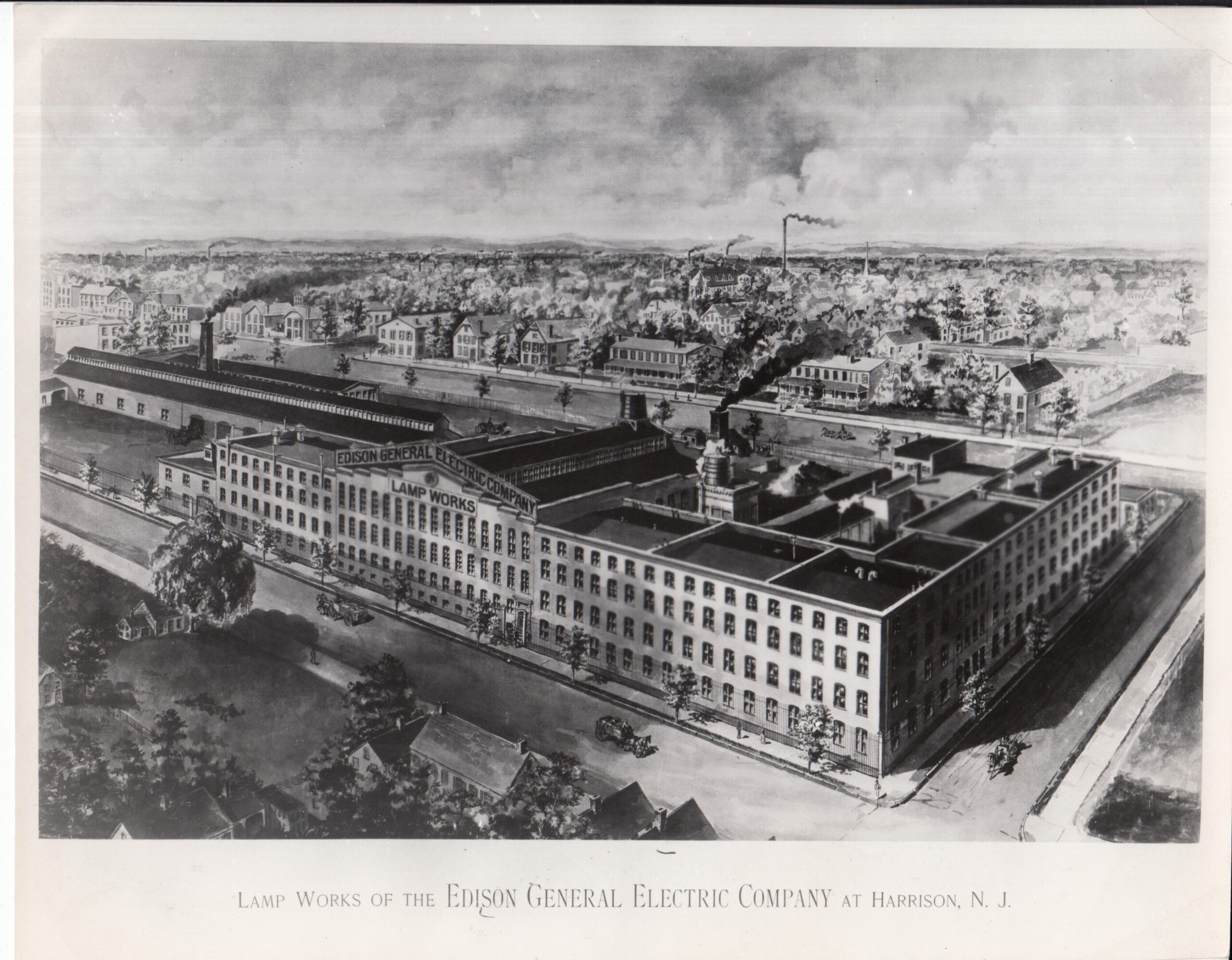
Samuel Insull died in Paris in 1938, three years after his acquittals. He had moved from obscurity to industrial authority and then to public disgrace. The arc is dramatic enough to obscure the middle—the decades in which he made electricity cheaper by making the system larger and busier.
Edison’s fame rested on creating new possibilities. Insull’s rested, briefly, on organising millions of customers around one of them. The modern utility emerged from both the laboratory and the ledger. Insull understood that the second could determine whether the first reached a city.
His fall added another lesson. Cheap and dependable electricity can emerge from a financial structure that is itself fragile. Engineering efficiency did not make every holding company sound, just as acquittal did not restore the investors who lost their savings.
Insull’s legacy is permanently divided between the system he rationalised and the empire he overextended. Both grew from the same faith in scale.
Electricity becomes an everyday bill
A utility’s most intimate product was not the dynamo but the monthly account. Meter reading, customer service and rate explanation turned invisible current into a household expense. Confidence depended on consumers believing the measurement and price were fair.
Insull promoted appliances and new uses because a wired home consuming only a few evening lamps was a poor customer. Irons, cookers and other devices expanded demand, though adoption depended on price and domestic habits.
The utility thereby shaped consumption as well as served it. Advertising taught customers what electricity was for, while rate design rewarded use at particular times. The network’s economics entered daily life.
Public culture and private power
Insull invested in Chicago’s civic and cultural institutions, including the opera. Patronage made him a public figure and connected corporate authority to the city’s prestige. It also strengthened the image of the utility leader as a steward rather than merely a seller.
When the empire collapsed, that paternal image intensified anger. Small investors had trusted the security associated with essential services and with Insull personally. Complex corporate layers were suddenly judged against the simplicity of the promise.
His trials ended in acquittal because moral outrage and criminal proof are different standards. Historical judgement should preserve that distinction while examining the leverage and promotion that made loss so widespread.
The engineer-manager’s reputation
Insull presented utility management as expert public service. Load curves, turbine efficiency and depreciation schedules supported the claim that trained administrators should make long-term decisions beyond ordinary political cycles.
Expertise was real, but it could shelter authority from scrutiny. Ratepayers and investors were asked to trust systems too complex for most outsiders to inspect. The collapse revealed that technical mastery of electricity did not guarantee transparent finance.
This tension survives in every essential network. Society wants expert continuity and also needs institutions able to challenge the experts who control the information.
Sources and further reading
- Jeremiah D. Lambert, “Samuel Insull: Architect and Prime Mover of the Electric Utility Business” – career, holding companies and utility development.
- Illinois Commerce Commission, “ComEd Corporate History” – Chicago Edison and Commonwealth Edison chronology.
- Yale Energy History, “The Obligations of Monopoly Must Be Accepted” – Insull’s own argument for monopoly and regulation.
- Thomas A. Edison Papers, “Edison Electric Light Manufacturing Shops” – Insull’s role in Edison manufacturing.