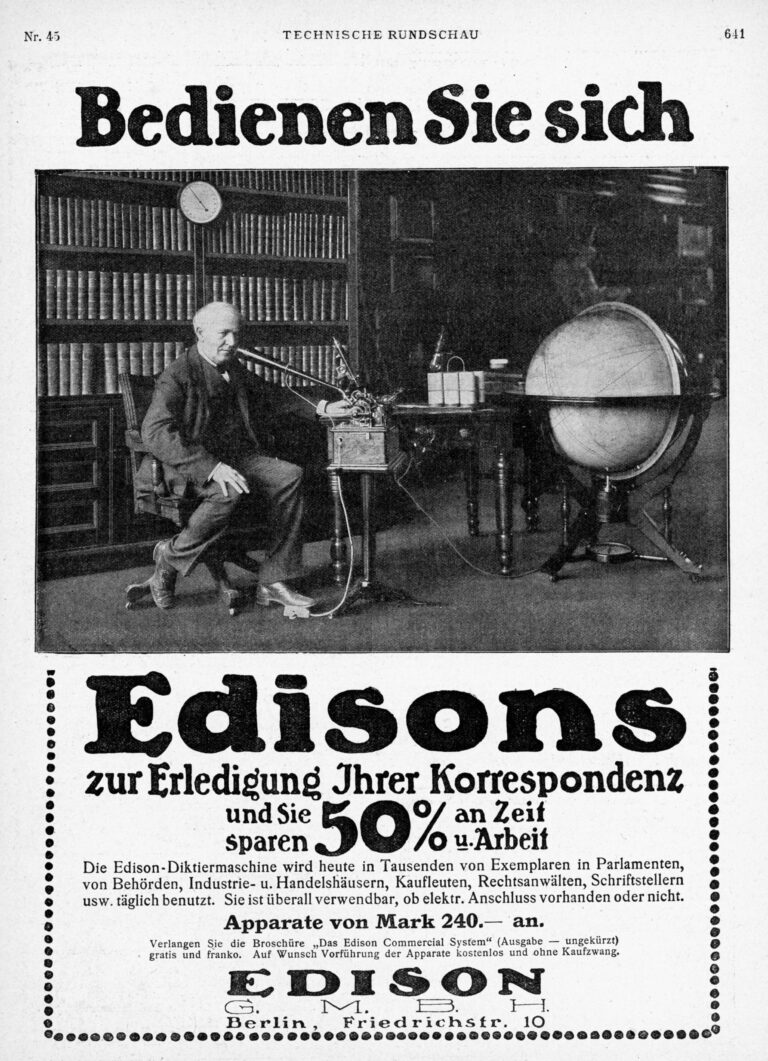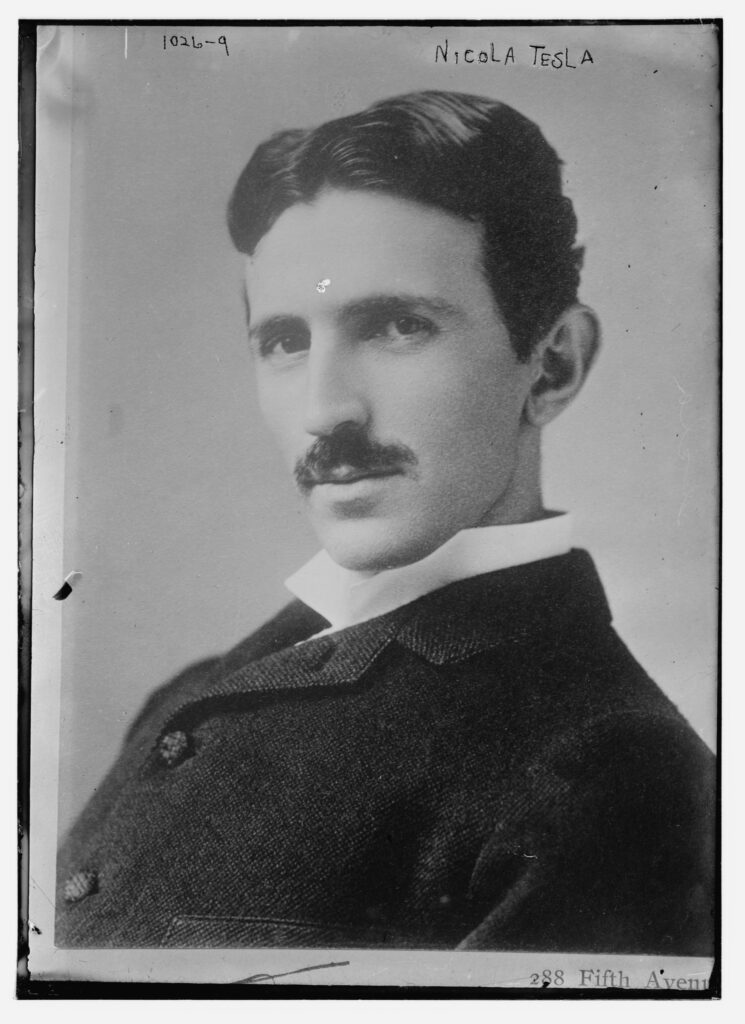
The popular version of the War of the Currents has the shape of a modern film. Thomas Edison, rich and ruthless, tries to protect direct current. Nikola Tesla, the unrecognised genius, offers a better system of alternating current. Edison steals Tesla’s work, refuses to pay him, kills animals to frighten the public and finally loses when Tesla lights the Chicago World’s Fair.
There is enough truth in that story to make it persuasive and enough distortion to make it bad history. Edison did campaign against high-voltage alternating current. His laboratory took part in animal electrocution experiments, and his testimony helped alternating current become the power used in New York’s electric chair. Tesla did work briefly for an Edison company, develop a brilliant polyphase motor and sell important patents to George Westinghouse.
But Tesla and Edison were never evenly matched commanders in a personal war. They had little direct contact, and Tesla was not responsible for every part of the alternating-current system. The commercial struggle was chiefly between the Edison electrical interests and companies led by George Westinghouse and Thomson-Houston. It involved engineers, patents, copper prices, financiers, city authorities and a frightened public. The argument was not simply about which current worked. It was about whose complete system would supply a new electrical world.
What was the difference between DC and AC?
In a direct-current circuit, electric charge flows in one direction. Edison’s early central stations supplied low-voltage DC to lamps in a compact district. The system was understandable, controllable and already earning money. It worked well when a generating station stood close to its customers, and it suited batteries, electroplating and the electric motors then being developed.
Distance exposed its weakness. Power lost in a wire increases sharply with current. Transmitting the same amount of power at a higher voltage allows the current to be reduced and the conductors to be thinner, but there was no simple, efficient way in the 1880s to raise and lower the voltage of direct current. Edison could not send low-voltage power very far without heavy copper conductors and another generating station.
Alternating current reverses direction at regular intervals. A transformer can raise its voltage for economical transmission and lower it near the customer. European experimenters Lucien Gaulard and John Gibbs developed an early practical transformer, while engineers at the Ganz company in Budapest and William Stanley in the United States improved the design. In 1886 Stanley demonstrated a complete Westinghouse AC system at Great Barrington, Massachusetts.
This was AC’s decisive commercial advantage. A single generating plant could serve a much wider area. It was not automatically safe: the high-voltage lines that made long-distance transmission economical could kill when badly installed or brought into contact with lower-voltage wires. Direct current could also kill. Voltage, current, duration and the path through a person’s body all mattered. The safety dispute became bitter because genuine hazards and commercial propaganda were mixed together.
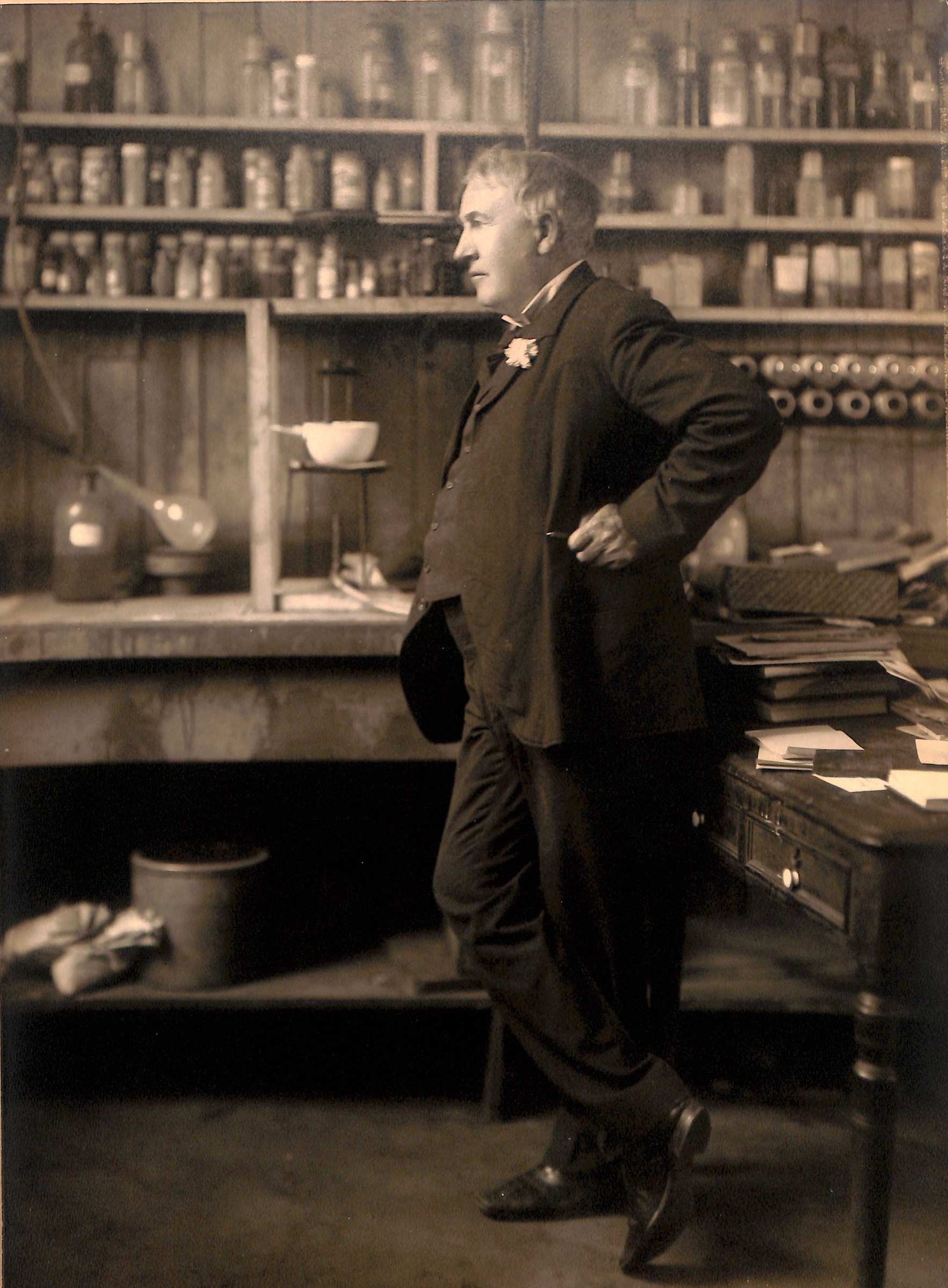
The companies were selling systems, not currents
The words AC and DC make the choice sound like a vote between two abstract principles. A customer or town actually had to buy a physical system. Generators, conductors, lamps, sockets, switches, meters and motors had to operate together. Engineers had to install and maintain them, while a company needed patents, factories, finance and permission to place wires in the streets.
Edison had entered the contest early with a complete incandescent-light network modelled on the gas industry. His lamps were connected in parallel so that one could be switched off without extinguishing the rest. His three-wire distribution system reduced the amount of copper required, and his DC dynamos became reliable machines. In a dense business district, where many paying customers stood near the station, this was a serious commercial system rather than an obvious technological dead end.
Westinghouse initially had a different mixture of strengths and gaps. Transformers gave his system reach, but early single-phase AC was better at lighting than industrial power. It needed safe installation practices, dependable meters and a practical motor. Thomson-Houston supplied another competing system and did not fit neatly into a two-man rivalry. Local utilities might combine equipment, change voltage or convert between currents as their networks grew.
The outcome therefore depended on scale. The short range of low-voltage DC mattered less in lower Manhattan than in a town trying to serve scattered homes or a factory seeking power from a distant waterfall. Once AC could run motors as well as lamps, the advantage of serving a large territory from fewer generating plants became difficult to resist.
Tesla’s six months in the Edison organisation
Nikola Tesla reached New York in June 1884. Born into a Serbian family in the Austrian Empire, in what is now Croatia, he had studied engineering in Europe and worked for the Continental Edison Company in Paris. Charles Batchelor, one of Edison’s closest associates, recognised his ability and helped bring him to the United States.
Tesla joined the Edison Machine Works on Goerck Street in lower Manhattan. This was not Edison’s Menlo Park laboratory, which had closed as his main centre of work. The Machine Works manufactured and tested dynamos and motors for Edison lighting systems. It employed hundreds of people, and Tesla was one of a group of junior engineers who installed equipment, investigated faults and made improvements.
Later accounts often picture Edison and Tesla arguing face to face over the future of electricity. The Thomas A. Edison Papers’ review of the evidence offers a more ordinary scene. Tesla worked for the company for about six months and probably met Edison only a few times. Edison thought the young engineer highly capable, but Tesla’s immediate assignments concerned the company’s existing equipment and an arc-lighting system, not permission to replace the Edison network with his own polyphase AC design.
The two men were ill suited to one another. Edison was an American-trained experimentalist who trusted repeated physical tests and commercial experience. Tesla was mathematically educated, intensely imaginative and able to visualise a machine in motion before building it. Those differences later became part of their legend, but a clash of personalities should not be confused with the Current War itself. Tesla left before Westinghouse’s alternating-current business became Edison’s most serious threat.
Was Tesla cheated out of $50,000?
The most famous story from Tesla’s employment concerns an unpaid bonus. In his 1919 autobiography, Tesla wrote that Edison offered him $50,000 if he could redesign the company’s dynamos. After completing the work, Tesla said, Edison told him that he did not understand “our American humour”. Tesla resigned when a promised increase in pay also failed to appear.
Tesla’s account is an important primary source, but it was published about thirty-four years after the event. No surviving contemporary agreement or Edison record confirms the $50,000 promise. The amount would have been enormous—far beyond an ordinary engineer’s pay—and historians disagree about whether the conversation occurred as Tesla remembered it.
There was plainly a breakdown over reward and recognition. The Edison Papers notes that Tesla successfully developed an arc-lighting system which the company decided not to use for business reasons, and that he was angered by the absence of a bonus. That documentary context supports the substance of a dispute without proving the later dialogue or sum. The honest conclusion is not that the story is false, but that Tesla’s much later recollection cannot bear all the weight placed upon it.
Nor is there evidence that Edison stole Tesla’s polyphase invention. Tesla patented his alternating-current motors and transmission system after leaving the Edison organisation. Edison resisted that technology; he did not secretly take credit for it.
George Westinghouse was Edison’s principal rival
If Edison had a true opposing commander in the Current War, it was George Westinghouse. Westinghouse was already a successful inventor and manufacturer before he entered electricity. His automatic railway air brake had made train travel safer, and his companies understood how to turn patents, factories and maintenance networks into a dependable industrial system.
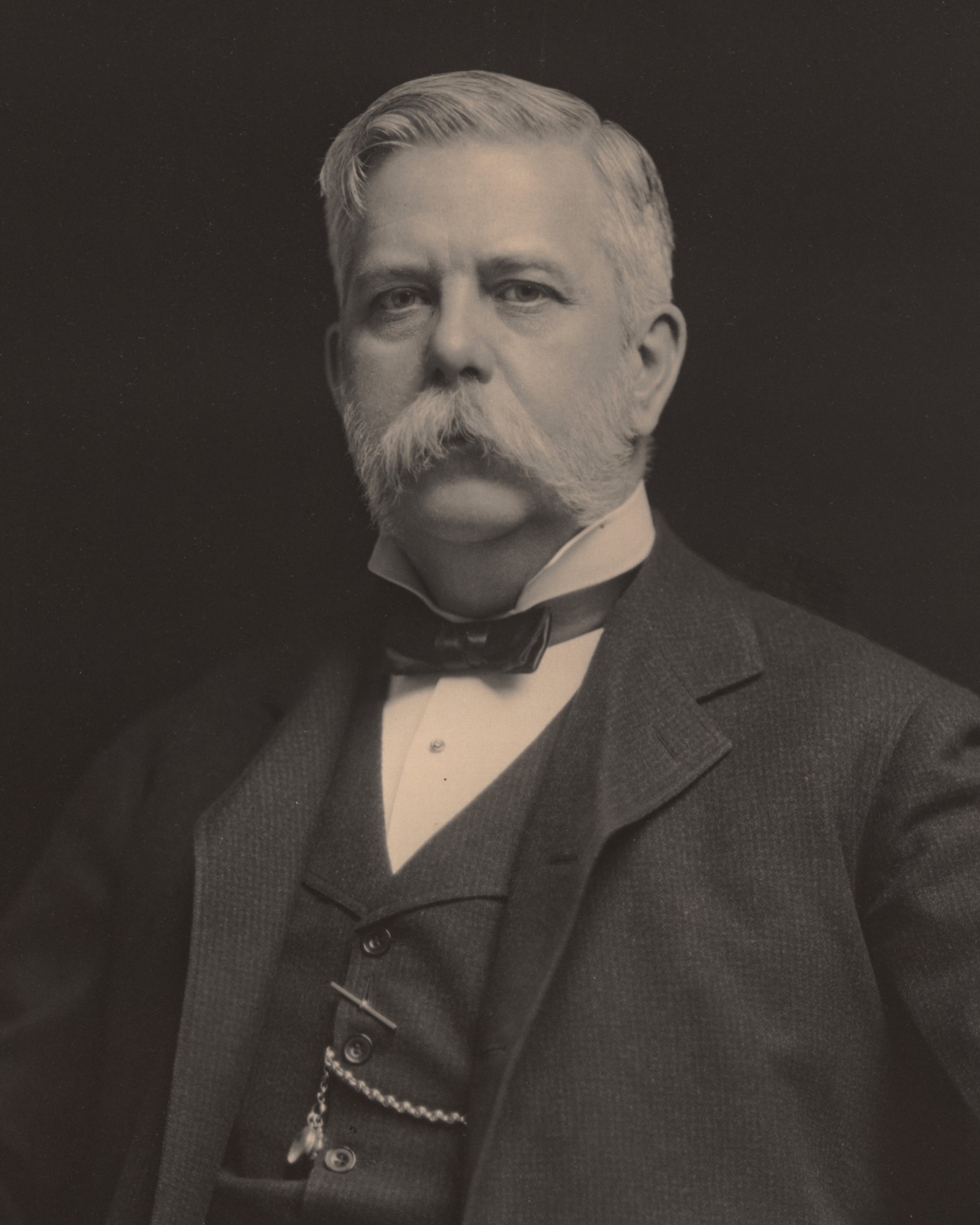
Westinghouse formed his electrical company in 1884 and acquired rights to transformer technology. Stanley’s Great Barrington installation showed that AC could supply lamps at useful voltages after travelling through a higher-voltage line. This happened before Westinghouse bought Tesla’s patents. The alternating-current challenge therefore did not begin with Tesla, and it would have continued without him.
What AC still lacked was a satisfactory motor. A single-phase supply could light lamps, but industry wanted machinery as well as illumination. Tesla’s great contribution was a practical polyphase system which produced a rotating magnetic field. His induction motor dispensed with the sparking commutator and brushes used in many earlier designs. The American Institute of Electrical Engineers heard his paper and saw his motor demonstrated in May 1888.
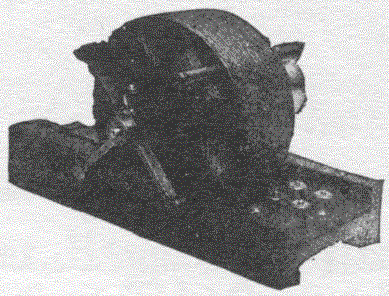
Westinghouse acquired rights to Tesla’s polyphase patents in 1888 and employed him as a consultant. The partnership joined Tesla’s elegant electrical system to Westinghouse’s factories, engineers and commercial organisation. It did not make the two men equal partners in every decision, and Westinghouse equipment also used inventions by Stanley, Oliver Shallenberger and others. The winning AC network was as collaborative as Edison’s electric-light system.
Edison turns safety into a weapon
The first public battles were fought above city streets. Competing lighting companies strung poorly regulated wires on crowded poles. High-voltage lines crossed, insulation failed and several people were killed. Edison’s warning that AC distribution created a new danger was not imaginary. The question was whether better engineering and regulation could control that danger, or whether the technology itself should be rejected.
Edison chose the second position. He argued that domestic supply should remain at a relatively low voltage and that Westinghouse’s high-voltage system placed the public at unacceptable risk. He also had a large financial and reputational investment in DC equipment. A judgement against AC protected both his idea of safety and the value of his companies.
Harold P. Brown, an electrical engineer, began a public campaign against alternating current in 1888. He demonstrated its lethal effect on stray dogs and other animals, sometimes in front of reporters. Brown was not simply an Edison employee carrying out a direct order from the beginning, but he received access to Edison’s West Orange laboratory, equipment and staff. Edison and his associates supported experiments that compared the effects of AC and DC and supplied evidence useful to the campaign.
The animals had been obtained through the Society for the Prevention of Cruelty to Animals, which was also looking for a method it considered more humane than drowning unwanted dogs. That origin does not remove the cruelty or the commercial use of the results. It does show why the experiments cannot be explained only as a theatrical attempt to destroy Tesla. They brought together animal control, the search for a new execution method and Edison’s desire to identify AC with death.
The electric chair and William Kemmler
New York had decided to replace hanging with electrocution, believing that modern science might produce a quicker death. Dentist Alfred P. Southwick had promoted the idea, and a state commission investigated how it should be carried out. Edison, though publicly known as an opponent of capital punishment, advised that alternating current would be the most effective means.
This placed Westinghouse in a cruel commercial trap. If his company co-operated, its equipment would become identified with execution. If it refused, the state could obtain generators through intermediaries and portray the refusal as self-interest. Westinghouse interests supported William Kemmler’s legal challenge, which reached the United States Supreme Court. The Court held in 1890 that execution by electricity did not violate the constitutional prohibition on cruel and unusual punishment.
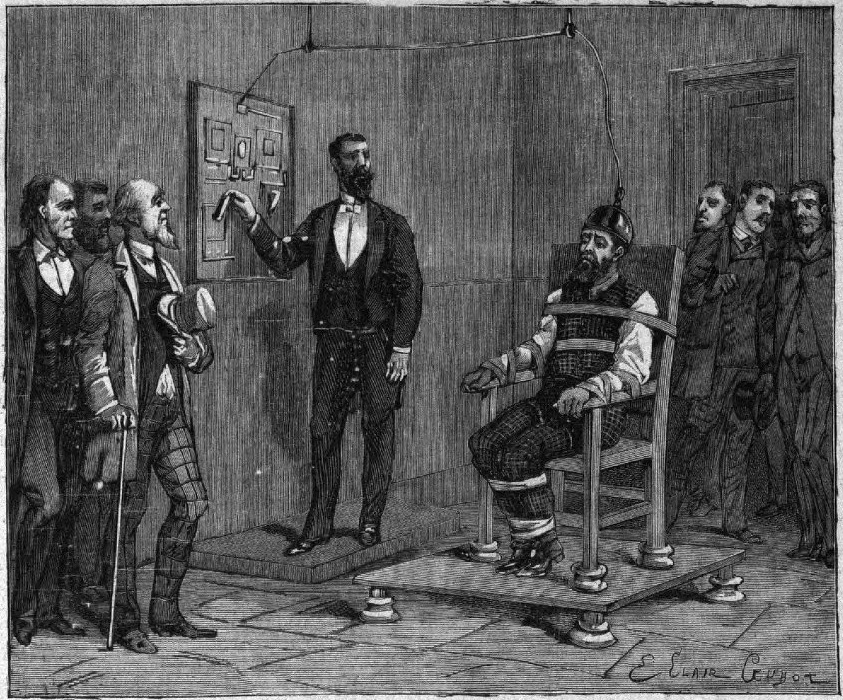
Kemmler was executed at Auburn Prison on 6 August 1890. The first application of current failed to kill him, and a second was required. Witness reports described a prolonged and horrifying scene, wrecking the claim that the new method had achieved an obviously humane death. Westinghouse’s reported judgement—that they would have done better with an axe—captured the damage, although the electric chair continued to spread.
Edison did not invent the chair and did not attend the execution. He did, however, recommend AC, permit and support relevant experiments, and use electrocution to argue that Westinghouse power was unsuitable for public supply. Attempts to absolve him completely are as misleading as claims that he personally built the chair.
Chicago and Niagara: why AC prevailed
The Current War was never settled by one experiment or courtroom decision. Alternating current prevailed because it became the more economical way to build large networks. Westinghouse could supply dispersed customers from fewer stations, and transformers made it possible to combine efficient transmission with lower distribution voltages.
Patent litigation complicated that movement without reversing it. Edison’s companies fought rivals over the incandescent lamp and other parts of the electrical system, while Westinghouse and Thomson-Houston assembled patent portfolios of their own. A court victory over a lamp design could force a competitor to alter its bulb, but it could not remove AC’s transmission advantage. The battle was fought over many components rather than one patent that delivered ownership of electricity.
Finance mattered just as much. Rapid expansion demanded factories, copper, generating stations and sales networks before the resulting income was secure. Westinghouse’s company came under severe financial pressure in the early 1890s, while bankers consolidated the Edison businesses. The system that ultimately spread was not merely the one that worked on a laboratory bench; it was the one companies and investors could build repeatedly.
Corporate change weakened Edison’s control. His electrical manufacturing interests were consolidated into Edison General Electric and then merged with the powerful Thomson-Houston company in 1892 to form General Electric. Edison’s name disappeared from the new company’s title, and he was no longer directing the electrical business. General Electric itself could not ignore alternating current and became a major AC supplier.
The World’s Columbian Exposition in Chicago provided the most visible demonstration. Westinghouse won the 1893 contract to illuminate the fair, defeating a General Electric bid and avoiding Edison’s lamp patent with a different bulb design. When the fair’s buildings and lagoons blazed with electric light, visitors saw alternating current supplying a temporary city on an enormous scale.
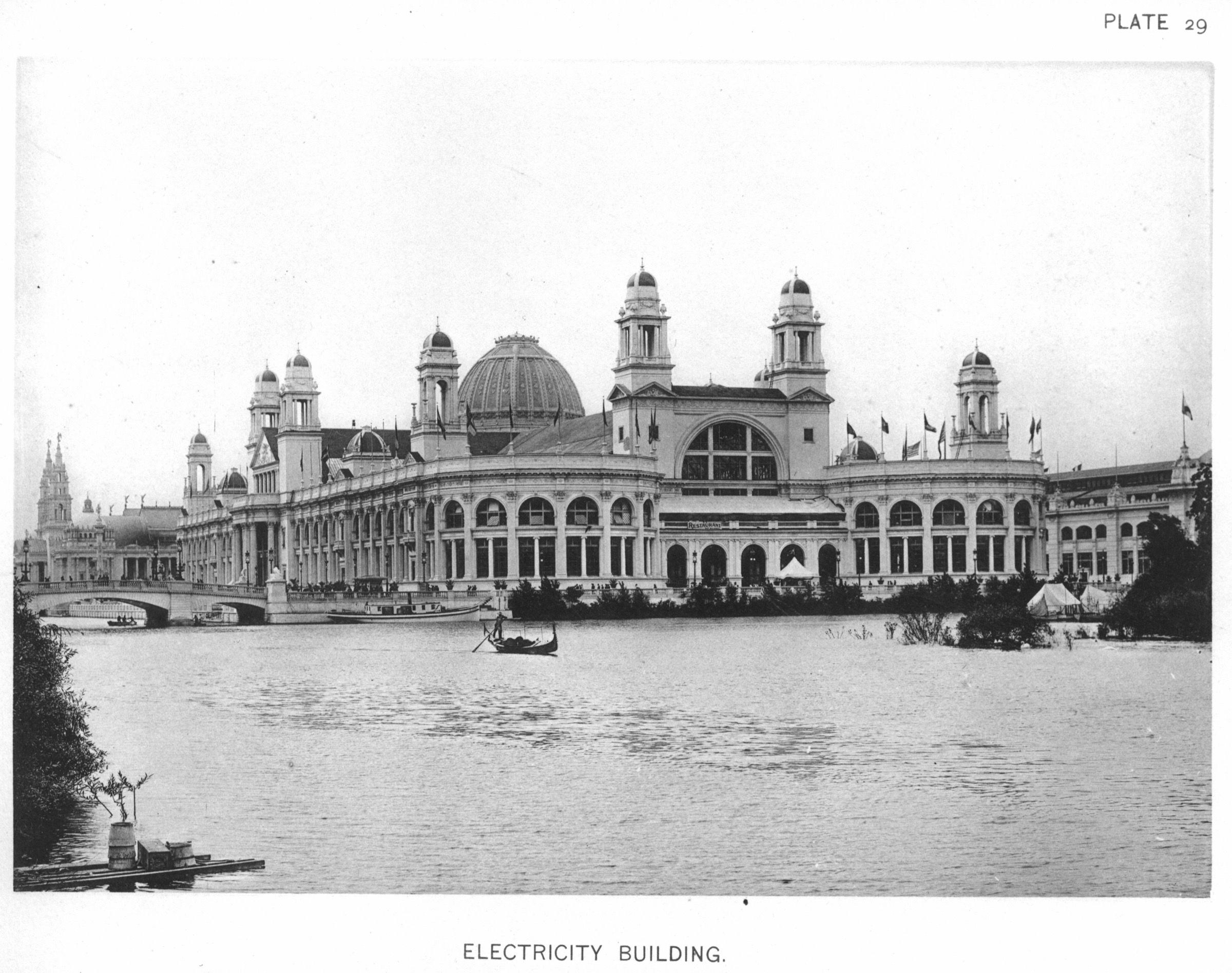
Tesla appeared at the exposition and gave striking demonstrations of high-frequency electricity. He was important to Westinghouse’s motor system and public reputation, but the familiar statement that “Tesla lit the fair” reduces another huge organisation to one man. Westinghouse engineers, workers and many existing AC inventions made the illumination possible.
Niagara Falls supplied the more lasting proof. Engineers and financiers had debated for years how to use the falls and send the power to customers at a distance. Westinghouse built the polyphase generators, drawing upon the system associated with Tesla’s patents, while General Electric supplied other parts of the transmission project. Generating began in 1895, and power reached Buffalo in 1896.
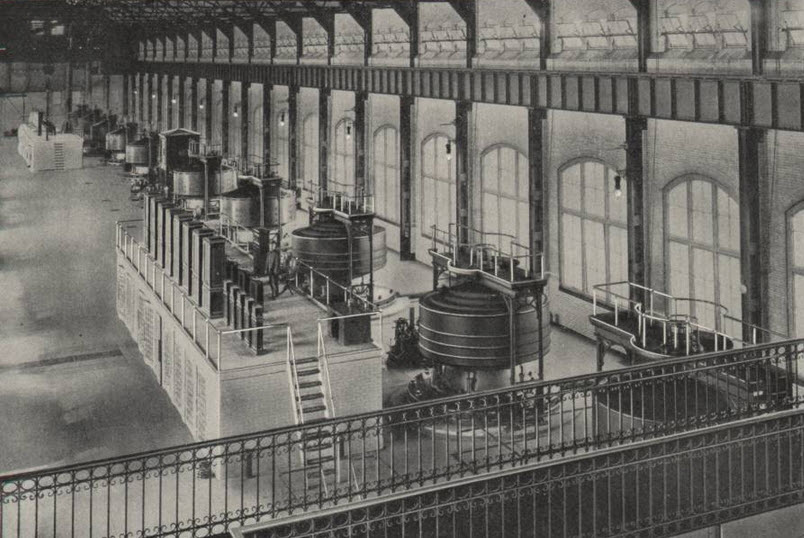
Niagara did not mark a simple moment when all DC equipment was switched off. Existing direct-current districts continued for decades, and specialised DC uses expanded. It did show that AC generation, voltage transformation and long-distance transmission could serve industry and cities on a scale Edison’s original low-voltage network could not match.
Did Edison electrocute Topsy the elephant?
No episode has distorted the Current War more completely than the death of Topsy. The elephant was killed at Luna Park on Coney Island on 4 January 1903 after the park’s owners decided she was dangerous. Their method combined poison, strangulation and alternating-current electrocution. A crew from the Edison Manufacturing Company filmed the event.
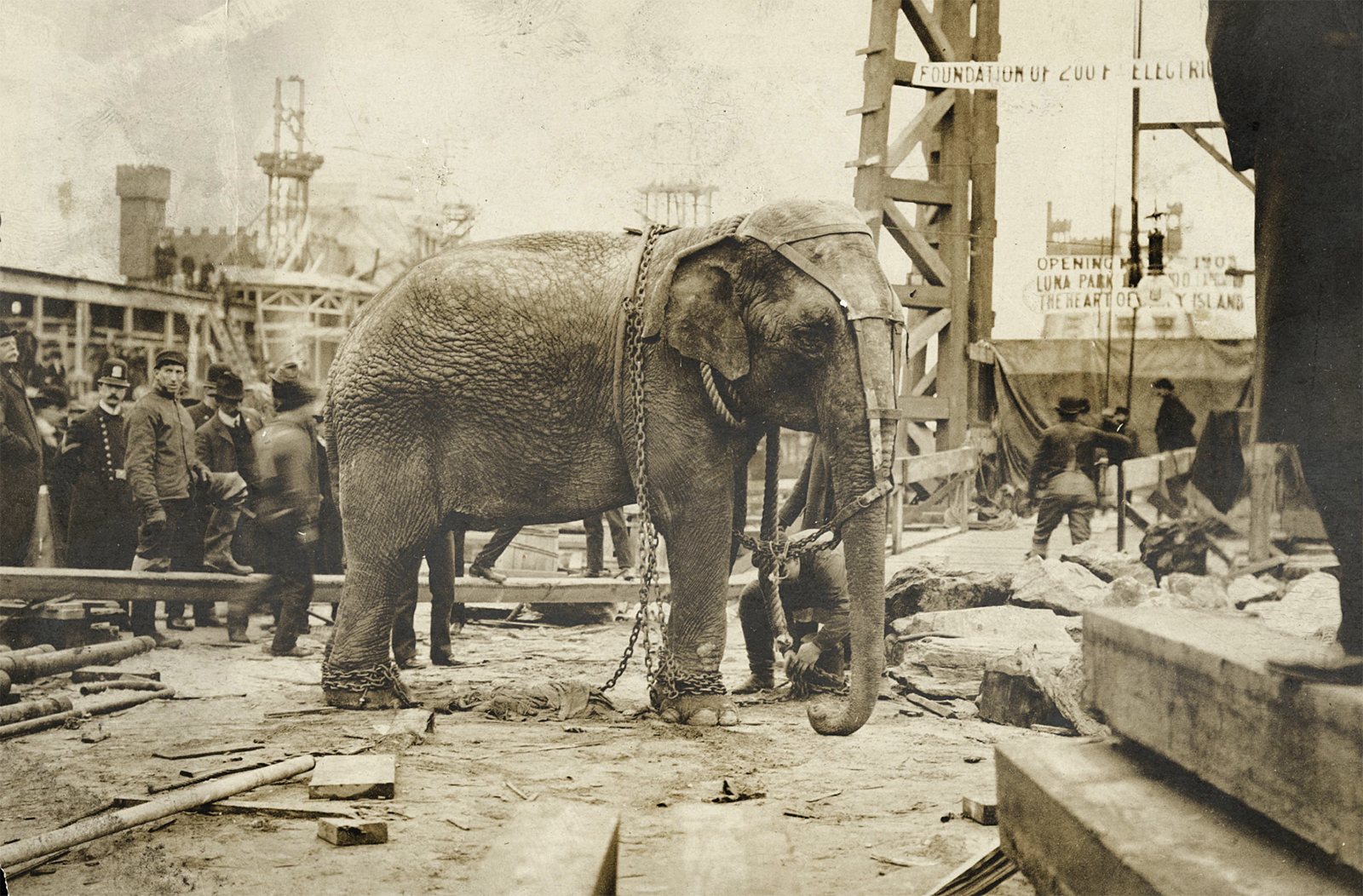
The facts create an easy but false connection. Edison’s name appeared on the film company. Electricity supplied the fatal shock. Edison’s earlier associates had used animal deaths during the AC campaign. Modern retellings then turned these separate facts into a scene in which Edison personally killed an elephant to defeat Tesla.
The Thomas A. Edison Papers has examined contemporary newspaper reports and surviving records. Edison did not order Topsy’s death, was not present and is not mentioned in accounts of the event. The local illuminating company supplied power at the request of Luna Park and the SPCA, and an Edison camera operator recorded an event considered newsworthy. The Current War had ended more than a decade earlier.
That correction should not sanitise the earlier history. Edison’s laboratory really did take part in animal electrocution experiments in 1888, and their results really were used against AC. Topsy is the wrong evidence for a genuine and disturbing campaign.
Who really won the War of the Currents?
Westinghouse’s alternating-current system won the central commercial argument. Transformers and polyphase equipment allowed electricity to be generated on a large scale, sent economically over distance and adapted to local uses. Tesla’s induction motor supplied an essential missing piece, and his patents earned him deserved recognition.
Yet the result was not Tesla defeating Edison in single combat. Westinghouse was the businessman who committed a company to AC. Stanley, Shallenberger, Gaulard, Gibbs and European engineers helped create transformers, meters and generators. Thomson-Houston developed another strong AC business. General Electric absorbed Edison’s corporate legacy and then built the type of system he had opposed.
Nor did direct current disappear. Batteries, electronic devices, solar cells, electrochemical processes and many motors use DC, while high-voltage direct-current transmission now serves particular long-distance links. Most public grids use AC because voltage transformation and network interconnection made it the practical nineteenth-century choice. Modern electricity uses both forms wherever each is best suited.
The War of the Currents therefore reveals something larger than a quarrel between famous inventors. Edison’s mistake was not believing that DC worked; his early electrical system plainly did. It was allowing commitment to that system to harden into a campaign against a technology capable of solving problems his network could not. Tesla’s achievement was not a magical invention of AC from nothing. It was seeing how a rotating magnetic field and polyphase supply could make alternating current do useful mechanical work.
Edison, Tesla and Westinghouse each mattered, but in different ways. Their real history is less tidy than the legend and far more revealing: new systems win when ideas, machinery, capital and public trust work together.
Sources and further reading
- Thomas A. Edison Papers: The Current Wars — primary Edison documents, chronology and scholarly reading on the AC–DC campaign.
- Thomas A. Edison Papers: The Edisonian, October 2013 — Tesla’s brief Edison employment, the arc-lighting dispute and the limits of the theft legend.
- Thomas A. Edison Papers: Myth Buster—Topsy the Elephant — contemporary evidence separating Topsy’s 1903 death from the Current War.
- Smithsonian National Museum of American History: 19th Century Competition — transformers, Tesla’s motor, competing systems and the 1892 formation of General Electric.
- Library of Congress: About George Westinghouse — Westinghouse’s business, Tesla patent rights and opposition to AC.
- Library of Congress: Electric Chair—Topics in Chronicling America — Southwick, New York’s law and the Kemmler execution.
- National Park Service: The Origins of Hydroelectric Power — AC transmission, Tesla’s motor and the Niagara system.
- U.S. Patent 381,968: Electro-Magnetic Motor — Tesla’s patent, granted 1 May 1888.
- Nikola Tesla, My Inventions (1919) — Tesla’s own much later account of his employment and the alleged bonus.