In the familiar photographs of Thomas Edison’s early laboratory, one man appears so often that he can seem part of the furniture. Charles Batchelor stands beside the phonograph, sits among the Menlo Park experimenters and travels with Edison to demonstrations. He was neither a hired pair of hands nor a rival whose work Edison simply stole. He was Edison’s most trusted experimental partner during the years in which the phonograph, the incandescent-lighting system and the Menlo Park method of invention took shape.
Batchelor’s career also exposes the weakness of the lone-genius story. Edison supplied direction, appetite and commercial ambition, but ideas became working machines through drawing, machining, testing and correction. Batchelor could do all of these. Edison called him “Batch”; in laboratory notebooks the two men’s names and hands repeatedly meet. To restore Batchelor to the story is not to remove Edison from it. It is to see more clearly how both men worked.
From Manchester to Newark
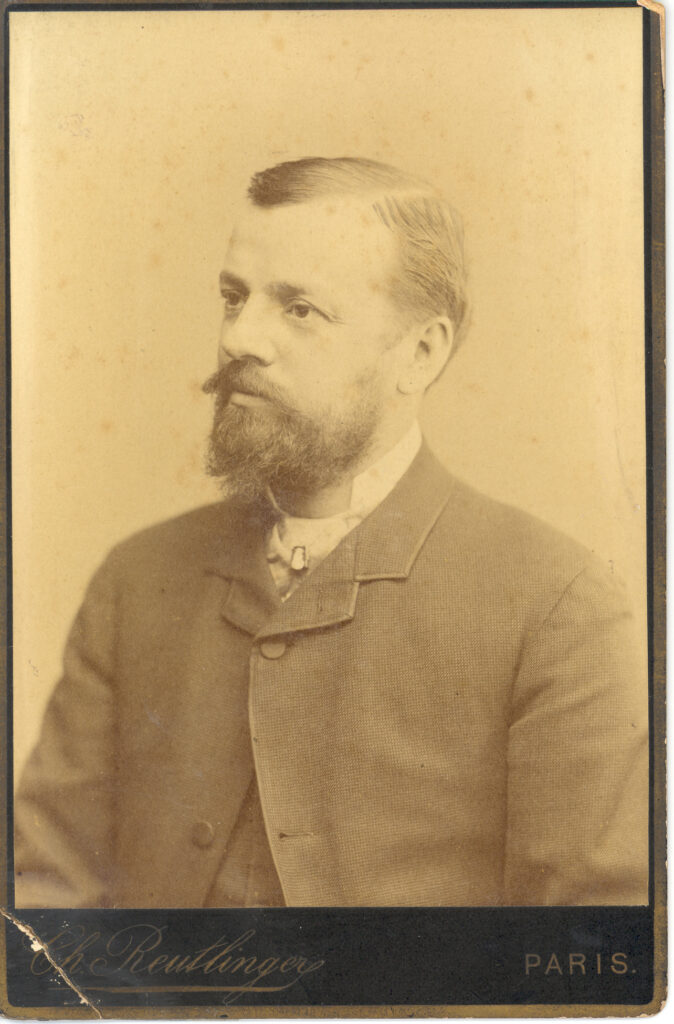
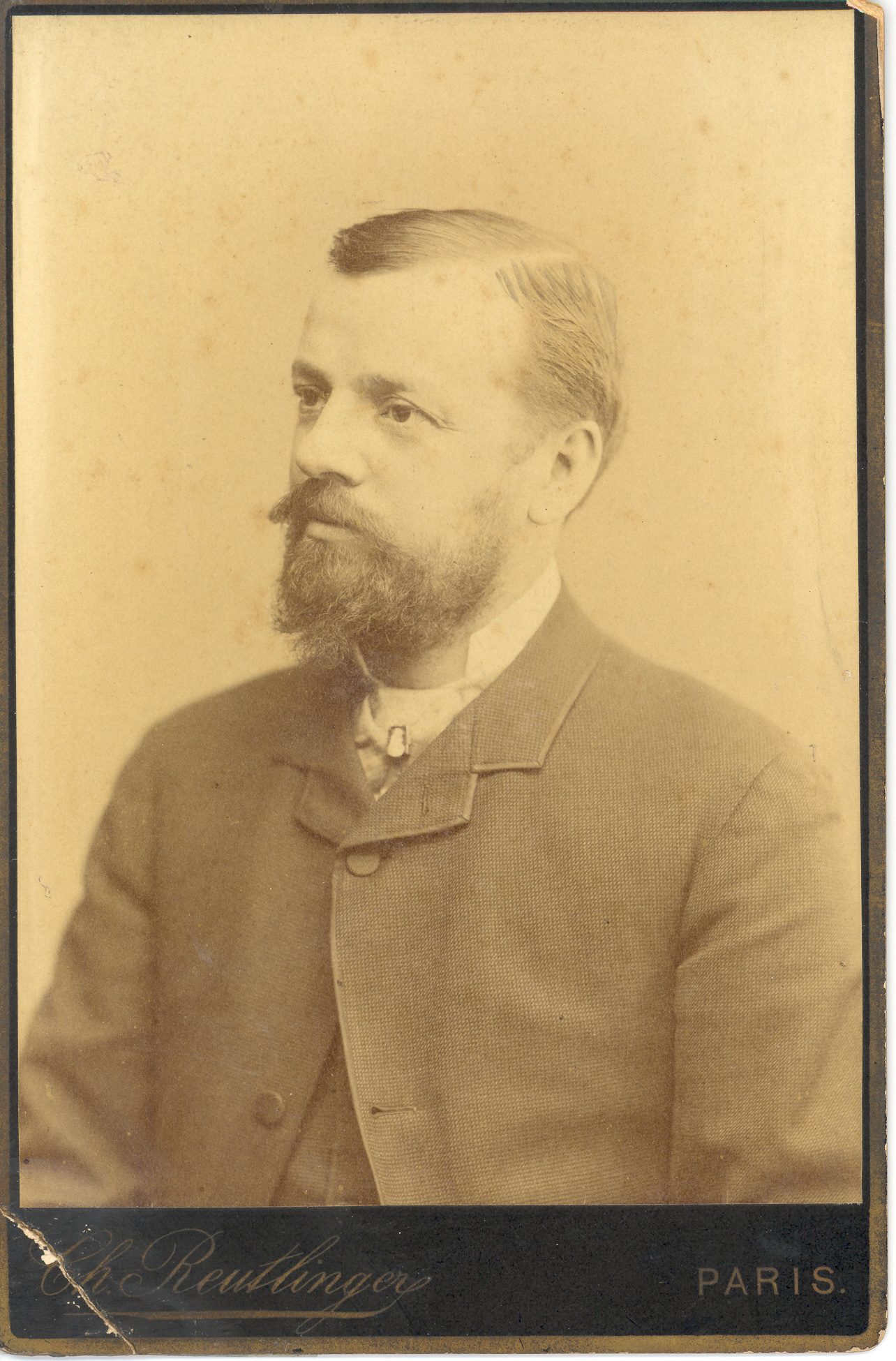
Charles W. Batchelor was born in Manchester, England, on Christmas Day 1845. He trained in the mechanical trades at a time when Manchester’s textile factories demanded precision machinery and practical ingenuity. That background mattered. Electrical invention in the 1870s was not an abstract science conducted with spotless instruments. It depended upon lathes, metalwork, woodworking, glassblowing and the ability to turn a rough sketch into apparatus that could survive a test.
Batchelor travelled to the United States as an employee of a textile-machinery concern and eventually reached Newark, New Jersey. Edison had established shops there after his success in telegraph and stock-ticker work. On 26 October 1870, according to the Edison Papers chronology, Batchelor began work for him.
The appointment began a relationship that lasted, with interruptions, for more than two decades. Batchelor was almost exactly Edison’s age. He was not a boy apprentice and did not remain an anonymous employee. He became a foreman, experimenter, manager, travelling representative and shareholder in Edison enterprises.
The practical partner
Edison’s Newark operations were crowded with telegraph projects. Multiple telegraphy promised to send more than one message over a wire, while automatic systems attempted to transmit prepared messages at high speed. Batchelor helped construct and test the delicate mechanisms. He learned Edison’s habit of altering an experiment rapidly and Edison learned that “Batch” could anticipate what a sketch required.
Their strengths were complementary. Edison ranged restlessly across a problem, proposing materials and arrangements. Batchelor brought an exceptional mechanical sense and enough electrical knowledge to follow the experiments. He could also supervise other men without requiring Edison to explain every operation twice.
That confidence made Batchelor more than a chief mechanic. When a result was disappointing, he helped decide the next experiment. When a promising device had to be demonstrated to investors or reporters, he could make it work away from the inventor’s bench. The boundary between “idea” and “execution” was rarely as sharp as later patent disputes or publicity implied.
At Menlo Park
Edison opened the Menlo Park laboratory in 1876, promising himself facilities in which almost any experiment could be attempted. Batchelor helped organise the machine shop and became one of the small group at its centre. John Kruesi, James Adams, Francis Jehl and others supplied vital skills, but Batchelor was the man most consistently entrusted with a project’s full course.
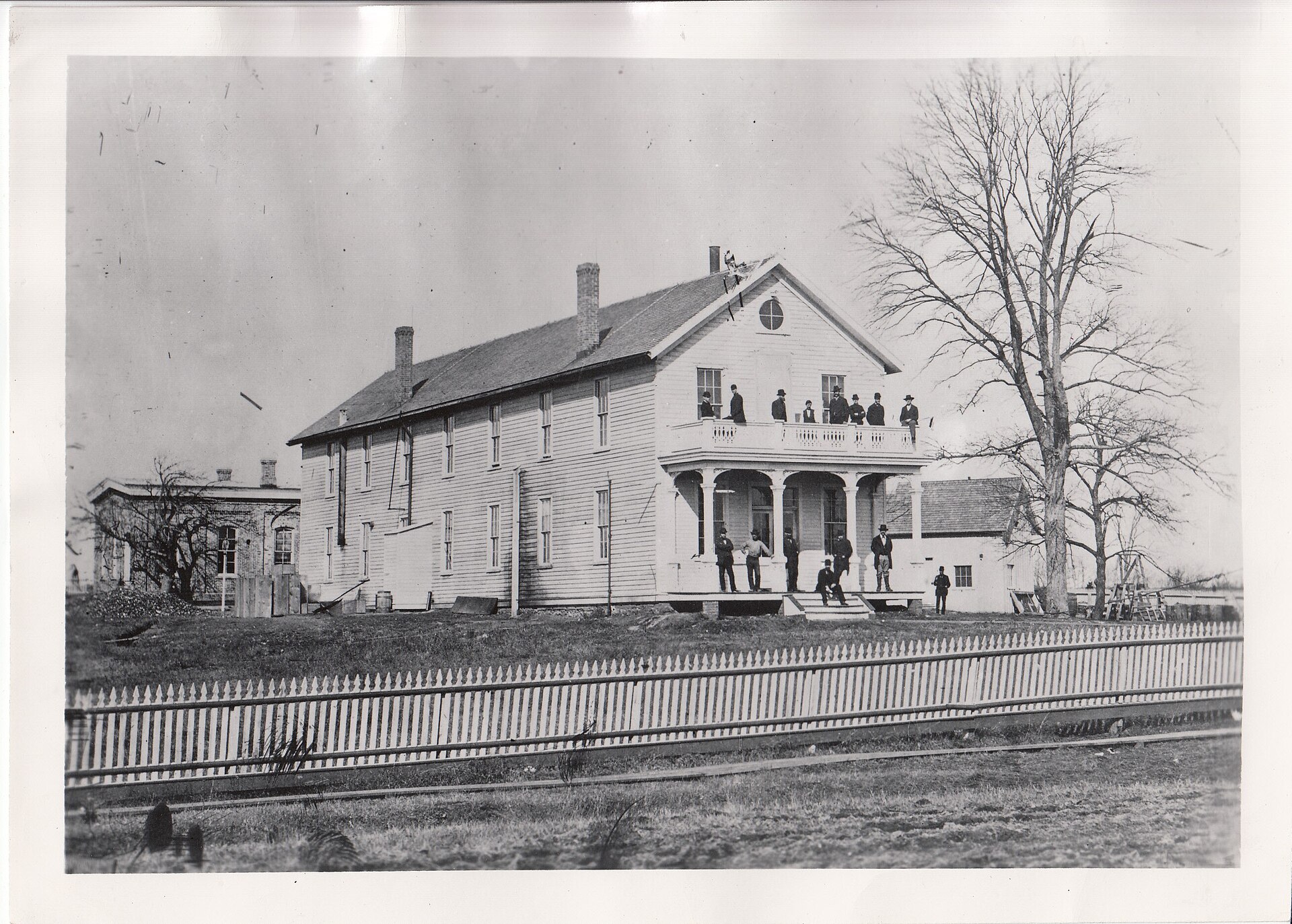
Menlo Park was advertised as Edison’s invention factory, but it was not an assembly line for ideas. It was a flexible community centred on the laboratory, machine shop, office and library. Work often continued through the night. Tasks moved between men according to skill, and a notebook might record Edison’s direction beside Batchelor’s observations or measurements.
Batchelor’s importance grew because he could speak both languages of the place: Edison’s compressed experimental instructions and the machinists’ need for definite dimensions. He was capable of fine bench work, yet understood that the ultimate objective was a commercially reproducible system.
The telephone and the phonograph
In 1877 Edison’s laboratory pursued improvements to the telephone transmitter. Alexander Graham Bell’s instrument could carry speech, but its weak signal limited practical service. Edison’s experiments with carbon under varying pressure led to a transmitter whose resistance changed with the sound waves.
Batchelor participated closely in the transmitter work and took Edison apparatus to England, where legal and commercial conflict was intense. Demonstration was part of invention: a device had to be adjusted to unfamiliar lines and defended before men who might have interests in a competing system.
The same year produced the phonograph. Edison conceived a machine that would indent a moving surface with the vibrations of speech and reproduce them. John Kruesi built the first successful tinfoil model from Edison’s sketch. Batchelor then became deeply involved in trials, improvements and demonstrations.
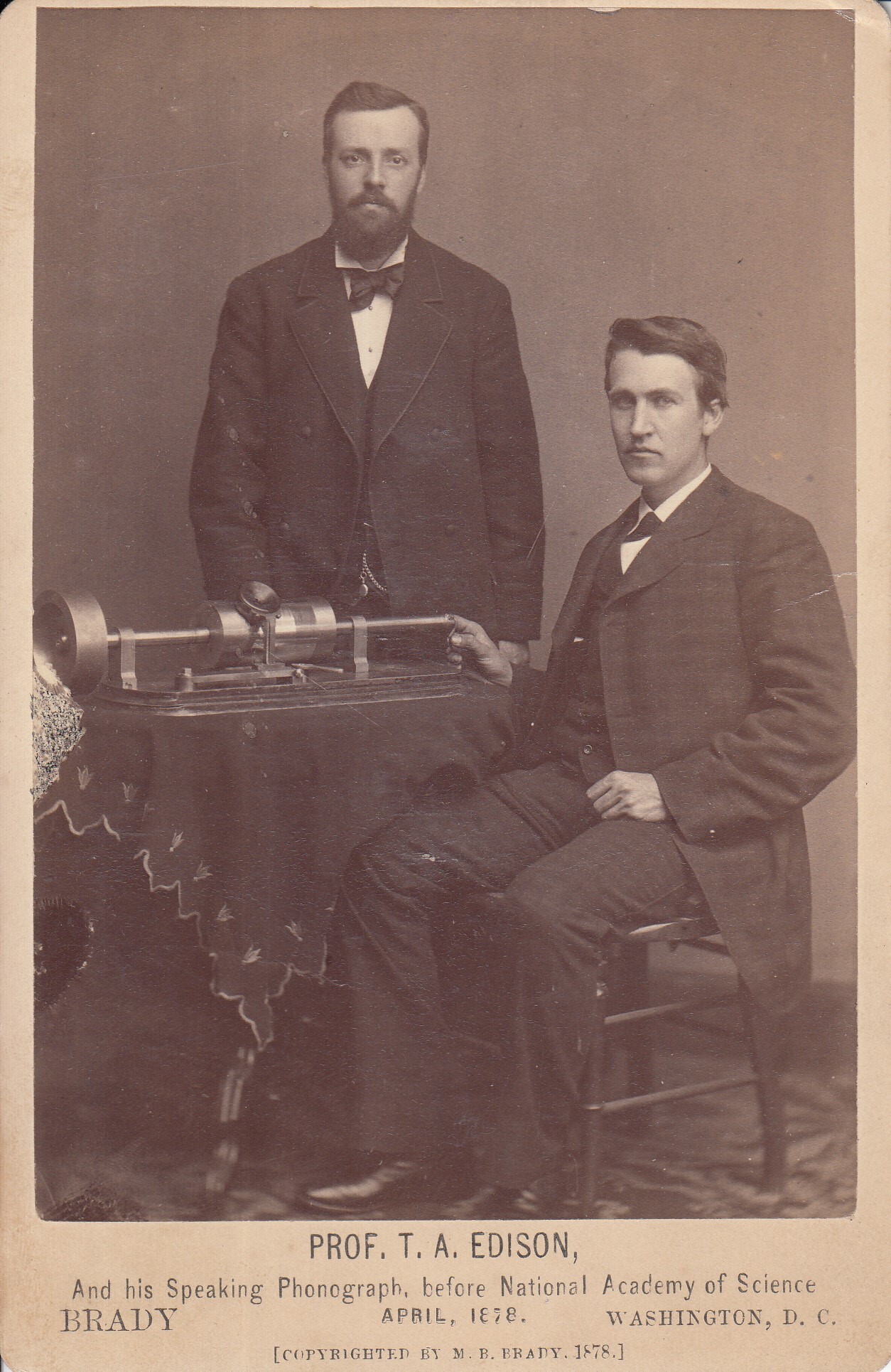
It is sometimes claimed that Batchelor invented the phonograph and Edison took the credit. The surviving evidence does not support so simple a reversal. Edison’s conception and direction are strongly documented, as is Kruesi’s construction of the first model. Batchelor’s contribution lay in turning an astonishing first effect into repeatable experimental work. Several men mattered, but not in identical ways.
Making an electric-lighting system
The incandescent lamp became Batchelor’s largest Menlo Park undertaking. Edison did not merely want a bulb that glowed. He wanted a complete central-station system: generators, distribution conductors, sockets, fuses, meters and lamps that could be manufactured by the thousand.
Batchelor supervised experiments on lamp materials and methods. The laboratory tested carbonised papers, threads and plant fibres, while glassblowers improved bulbs and vacuum pumps. Batchelor’s notebooks recorded the stubborn practical questions: how a filament was attached, how consistently it could be made, how it behaved under current and whether production workers could repeat the result.
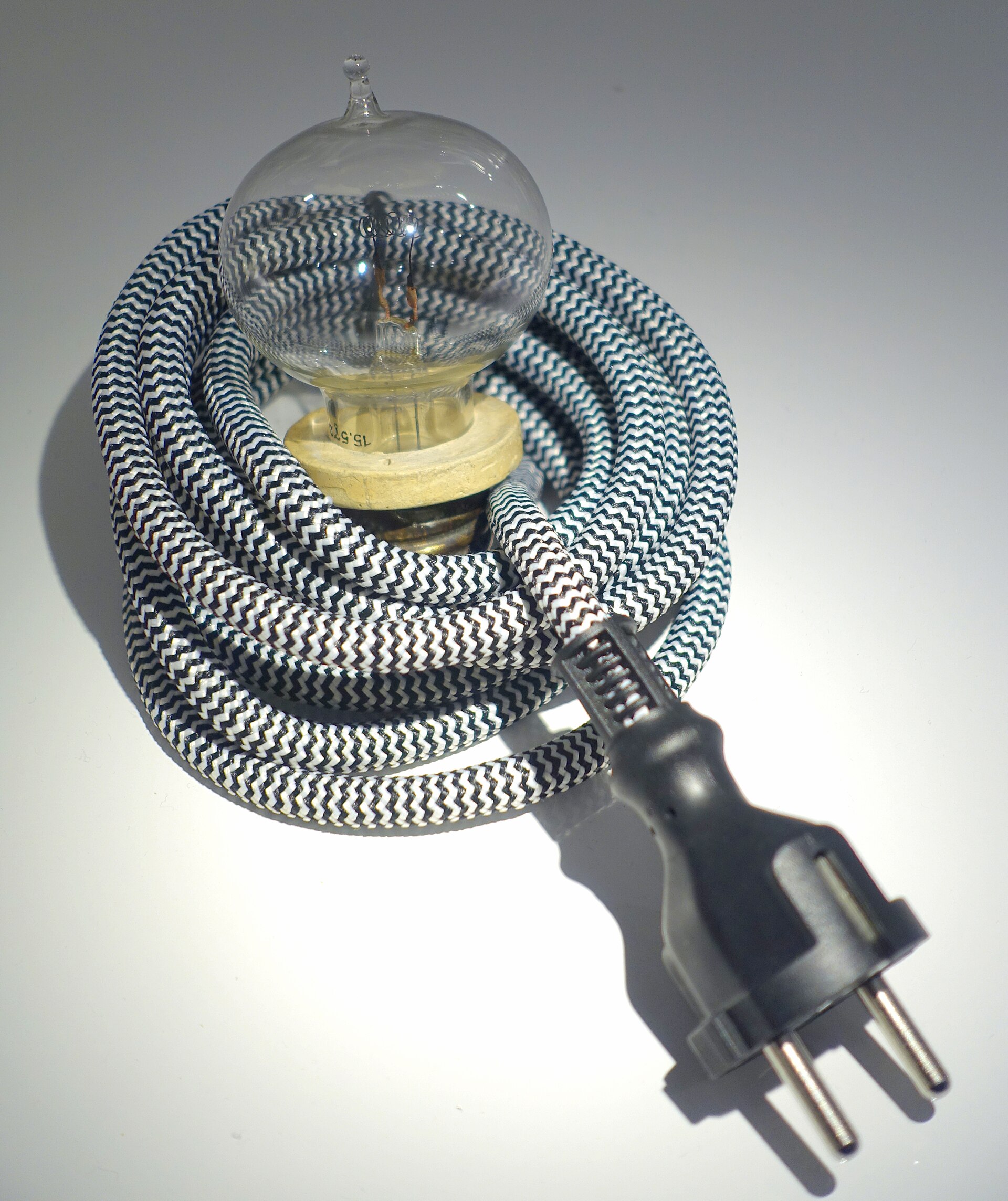
Batchelor and Francis Upton were important in different respects. Upton supplied mathematical and scientific analysis; Batchelor directed much experimental and manufacturing practice. Edison coordinated the programme and made major decisions. The lamp was the visible object, but the achievement belonged to a system and a team.
When Edison established lamp manufacturing, Batchelor helped translate laboratory methods into factory routines. Early lamps varied, and fragile carbon filaments demanded patient handling. A discovery that worked once in Menlo Park was worthless if it could not be made cheaply and reliably.
Paris and an independent career
Edison repeatedly sent Batchelor where technical authority and personal trust were required. In 1881 he went to Paris to supervise Edison interests in Europe. Electric lighting was entering a field of national patent laws, financiers and powerful competitors. Batchelor installed and demonstrated systems, negotiated practical difficulties and reported back across the Atlantic.
He remained in Europe for several years. The separation shows that his value was not confined to working at Edison’s elbow. He could represent the enterprise, direct installations and protect technical knowledge. He also acquired a financial interest in companies associated with Edison inventions.
Batchelor later pursued ventures outside Edison’s immediate control, including work connected with ore milling. Like many members of Edison’s circle, he moved between employee, partner and investor. The modern distinction between a salaried laboratory worker and an independent entrepreneur fits the period badly.
Building West Orange
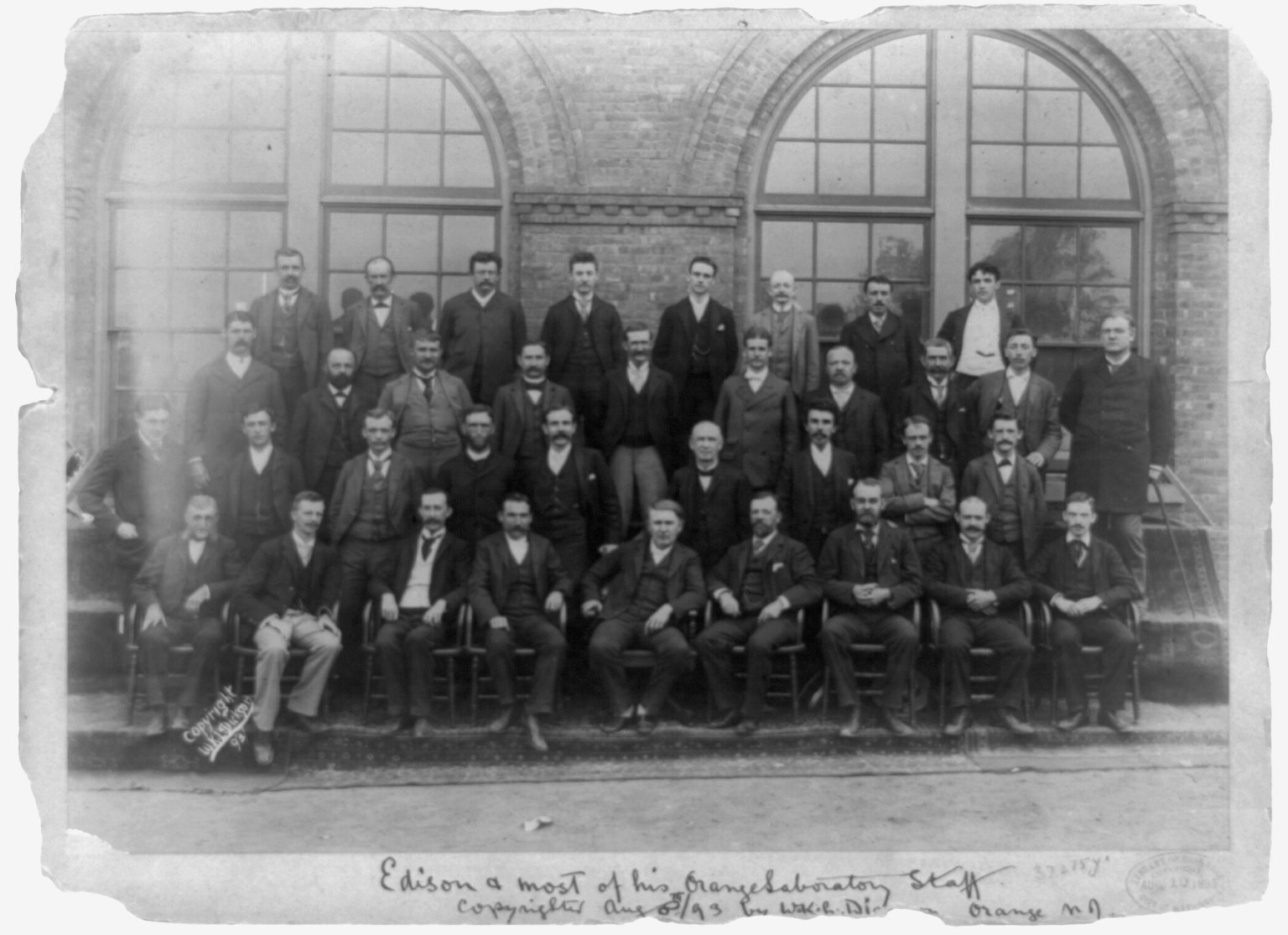
When Edison planned the great West Orange laboratory in the 1880s, Batchelor helped equip it. The complex opened in 1887 with chemistry rooms, machine shops, a library, a stockroom and experimental spaces far larger than Menlo Park. Its scale reflected lessons learned during electric-light development.
Batchelor served as general manager and remained involved in phonograph and other projects. Yet West Orange also changed the relationship. The workforce became larger, specialised departments developed and Edison’s businesses multiplied. No single lieutenant could mediate every experiment as Batchelor had done at Menlo Park.
The two men eventually drifted apart. Batchelor left the Edison organisation in the 1890s and spent time in mining and other business. Their separation was not a melodramatic betrayal. It was the result of changing enterprises, personal investments and an industrial world very different from the Newark shop in which they had met.
Who deserves the credit?
Credit is difficult because invention involved several kinds of contribution. Edison chose problems, drove investigations, raised money and shaped systems. Batchelor designed, made, tested, supervised and represented. Kruesi’s machining, Upton’s calculations, William Dickson’s motion-picture work and the labour of many less celebrated employees were also indispensable.
Patents usually named those judged to have made the legally inventive step. Publicity favoured one recognisable personality. Company names strengthened the association. Neither system provides a complete account of daily laboratory work.
Nor should every shared experiment be recast as theft. Batchelor prospered from his association, held positions of authority and was publicly visible beside Edison. He could be loyal without being subordinate in intellect. The surviving correspondence suggests intimacy, confidence and occasional strain rather than a simple victim-and-exploiter relationship.
The inventor beside Edison
Charles Batchelor died in 1910. By then the heroic picture of Edison at a solitary bench was already replacing the more crowded reality. Batchelor’s absence from popular memory owes much to the power of the Edison name and to a culture that prefers one inventor for one invention.
His real distinction is greater than the consolation title of “forgotten genius”. He helped create the working method that made Menlo Park famous. He understood how a suggestion became apparatus, how apparatus became a reproducible experiment and how an experiment became a factory product. Edison trusted him with machines, money, staff and reputation.
Look again at the early photographs and Batchelor is no longer a bystander. He is the man Edison expected to be there: at the lathe, beside the phonograph, among the lamp trials and on the journey when a laboratory result had to face the world.
Sources and further reading
- Thomas A. Edison Papers, “1847–1870” – Batchelor’s arrival in Edison’s Newark shop.
- Thomas A. Edison Papers, “Detailed Biography” – Menlo Park, lighting and the organisation of experimental work.
- Thomas A. Edison Papers, “Electric Generator” – development of the lighting system and the work of Edison’s staff.
- Thomas Edison National Historical Park, “Origins of Sound Recording” – the first phonograph and the roles of Edison, Kruesi and Batchelor.
- Thomas A. Edison Papers, “1881–1890” – Batchelor in Paris and the building of the West Orange laboratory.