Thomas Edison gave his first two children telegraphic nicknames. Marion became “Dot” and Thomas Alva Edison Junior became “Dash”, a family joke perfectly fitted to their father’s early career. The names endured because they place the children inside the Edison legend. Their lives were more difficult to contain.
Edison had six children by two wives. They grew up in different houses, rarely formed one settled household and inherited a surname that opened doors while denying privacy. One married into a German military family, one lent the Edison name to dubious businesses, one became governor of New Jersey and another built a quieter career as an inventor. Their stories show what the invention factory cost at home—and how differently children can respond to a famous father.
The first family at Menlo Park
Edison married Mary Stilwell on Christmas Day 1871. She was sixteen; he was twenty-four and already consumed by telegraph work. Marion Estelle Edison was born on 18 February 1873, Thomas Alva Junior on 10 January 1876 and William Leslie on 26 October 1878.
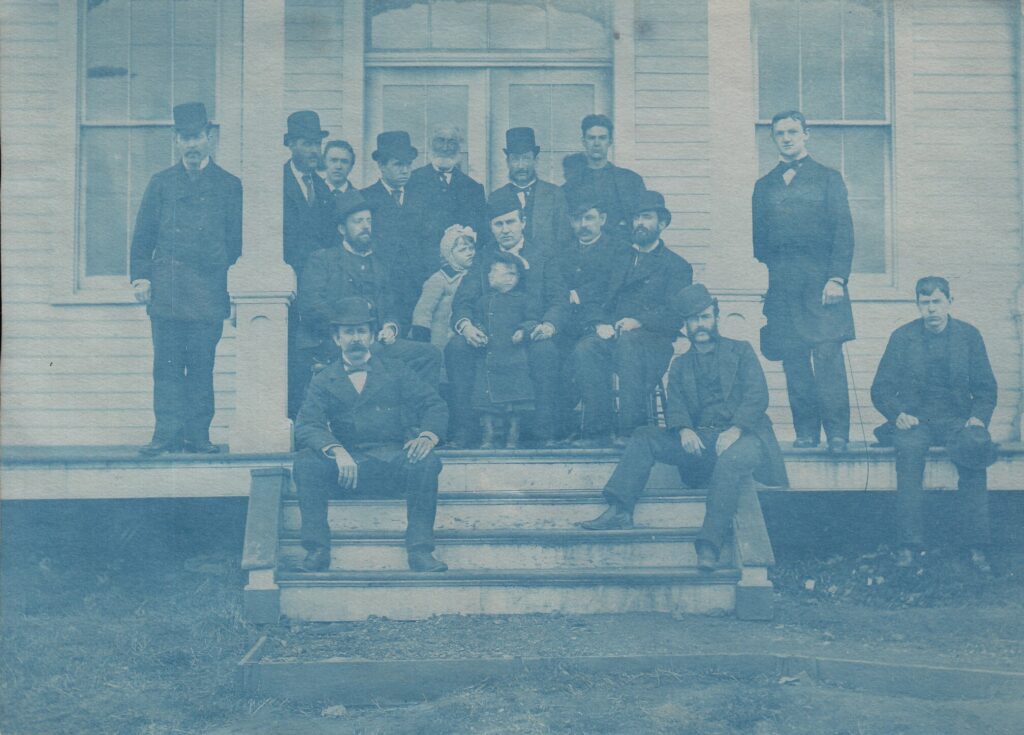
The family moved to Menlo Park as Edison created his new laboratory. Newspaper attention, visiting investors and night-long experiments surrounded the house. Mary carried much of the domestic burden while her husband slept irregularly and sometimes remained in the laboratory for days.
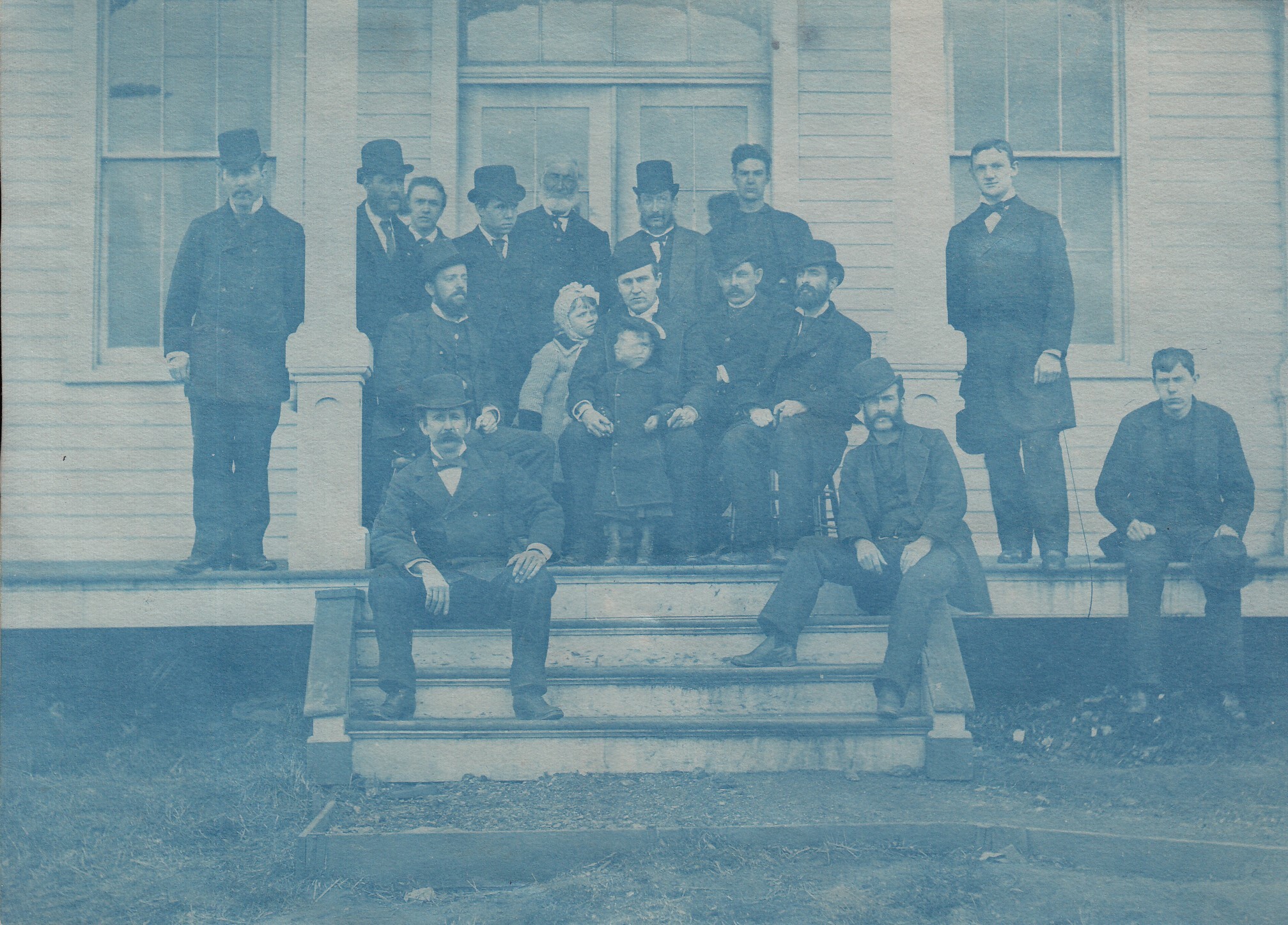
“Dot” and “Dash” make the arrangement sound playful. The nicknames were affectionate, but they also reflected a household organised around Edison’s work. His deafness, absences and impatience could make him a remote father even when he was physically nearby.
Mary died on 9 August 1884, aged twenty-nine. Edison was in New York when she became gravely ill. The exact cause recorded in contemporary documents has been interpreted in different ways, and later stories of morphine addiction rest on uncertain evidence. For the children, the essential fact was simpler: at eleven, eight and five they lost their mother.
Marion “Dot” Edison
Marion spent periods at boarding school and with relatives. As the eldest child, she experienced both the excitement and instability of Menlo Park. Photographs show a composed girl, but her later recollections contain the complicated mixture of loyalty and hurt common in famous families.
In 1895 Marion married Karl Oeser, a German army officer, and settled in Europe. The marriage carried her away from the Edison household and later placed her in an awkward position during the First World War. American anti-German feeling collided with her husband’s nationality and service.
Marion had children and spent many years in Germany. She divorced Oeser in 1921 and returned to the United States. Her relations with her father were not always easy, but no single quarrel explains a life lived across two continents. She died in 1965, the last survivor of Edison’s children by Mary.
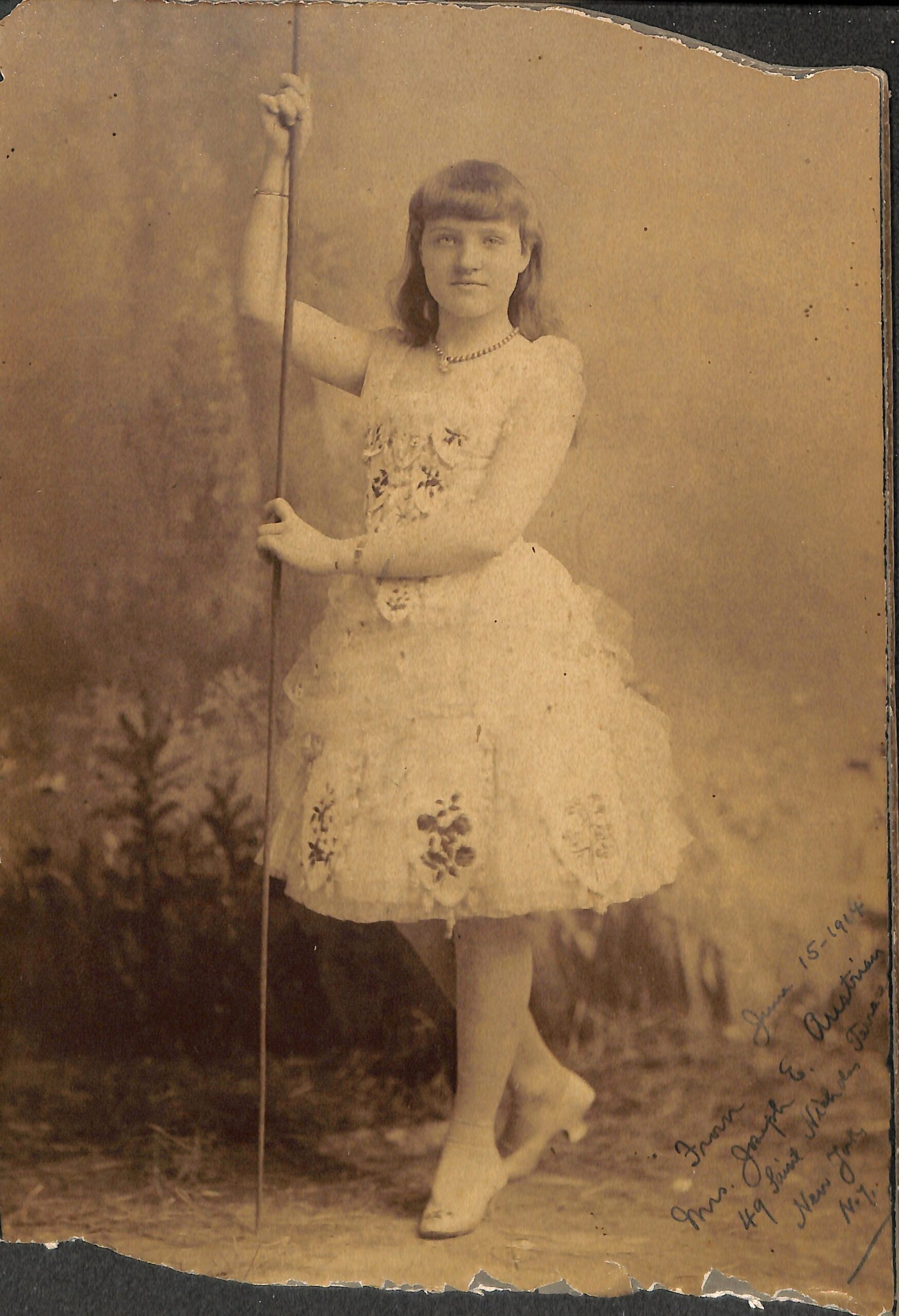
Thomas Alva Edison Junior: the danger of a name
Thomas Junior inherited the most burdensome version of the family name. Newspapers wanted a second Wizard; promoters wanted the word Edison on products. He attempted inventions and business ventures but lacked his father’s technical discipline and organisation.
As a young man he became involved with companies selling remedies and electrical devices under the Edison name. Products included “Magno-Electric Vitalizers” promoted with extravagant health claims. Edison Senior feared damage to his reputation and used legal and financial pressure to restrict his son’s commercial use of the surname.
It is tempting to cast Thomas Junior simply as a wastrel. The relationship was more painful. He had grown up with a celebrated, frequently absent father and lost his mother young. Expectations attached to him before he had established any ability of his own. Periods of ill health and financial dependence deepened the conflict.
Thomas Junior married the actress Beatrice Heyzer and later made further attempts at invention and business. He never achieved the independent standing expected of him. He died in 1935, four years after his father.
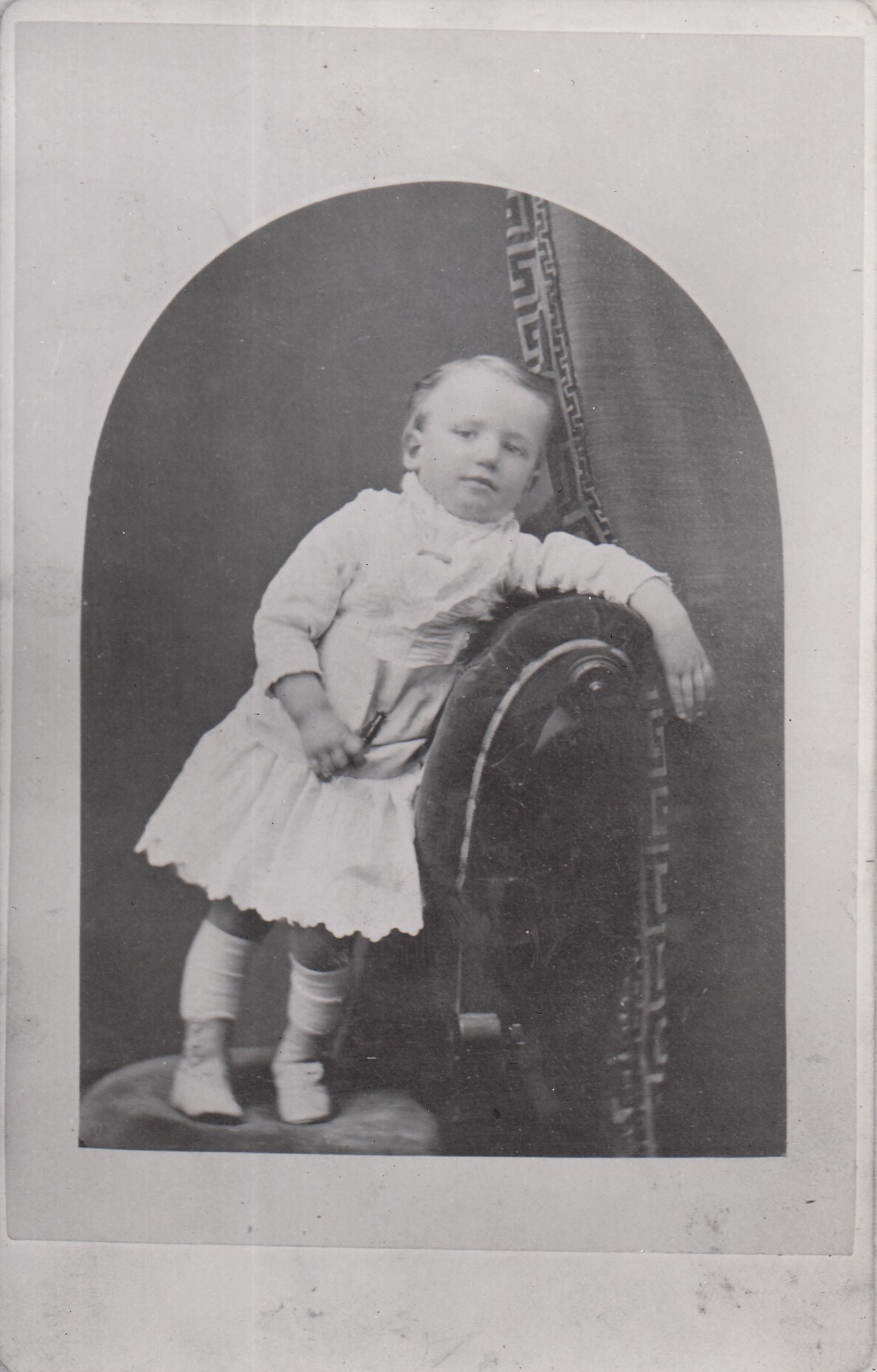
William Leslie Edison
William, the youngest of Mary’s children, is the least familiar. He attended the Sheffield Scientific School at Yale but did not complete the course. He became associated with farming and other enterprises and lived much of his adult life away from the centre of the Edison companies.
Relations between William and his father were strained at times. As with Thomas Junior, money and the use of the name caused friction. Yet William’s obscurity should not be filled with invented scandal. He married Blanche Travers and lived until 1937. Surviving family and business records offer glimpses rather than a complete emotional biography.
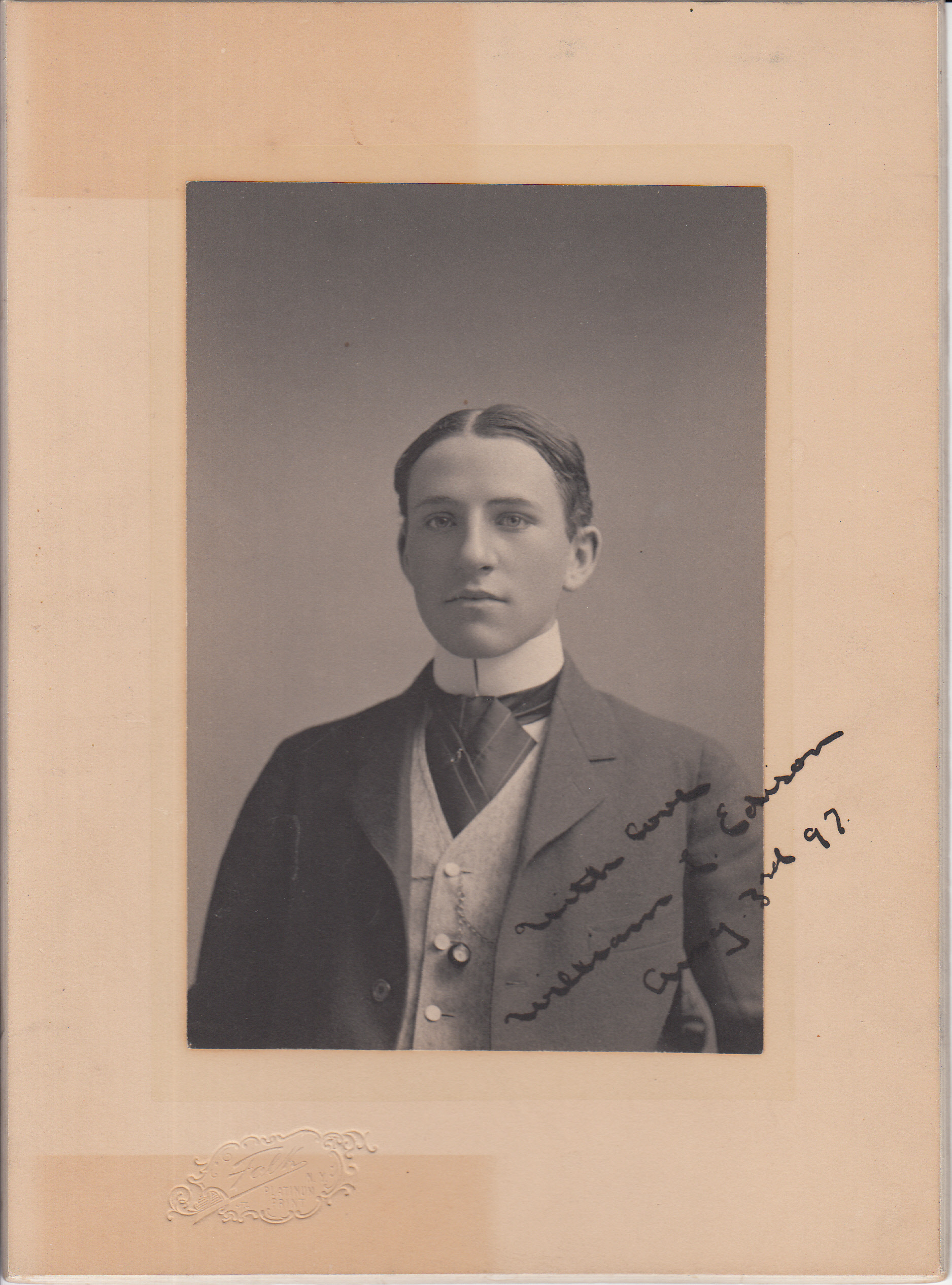
A second marriage and a second household
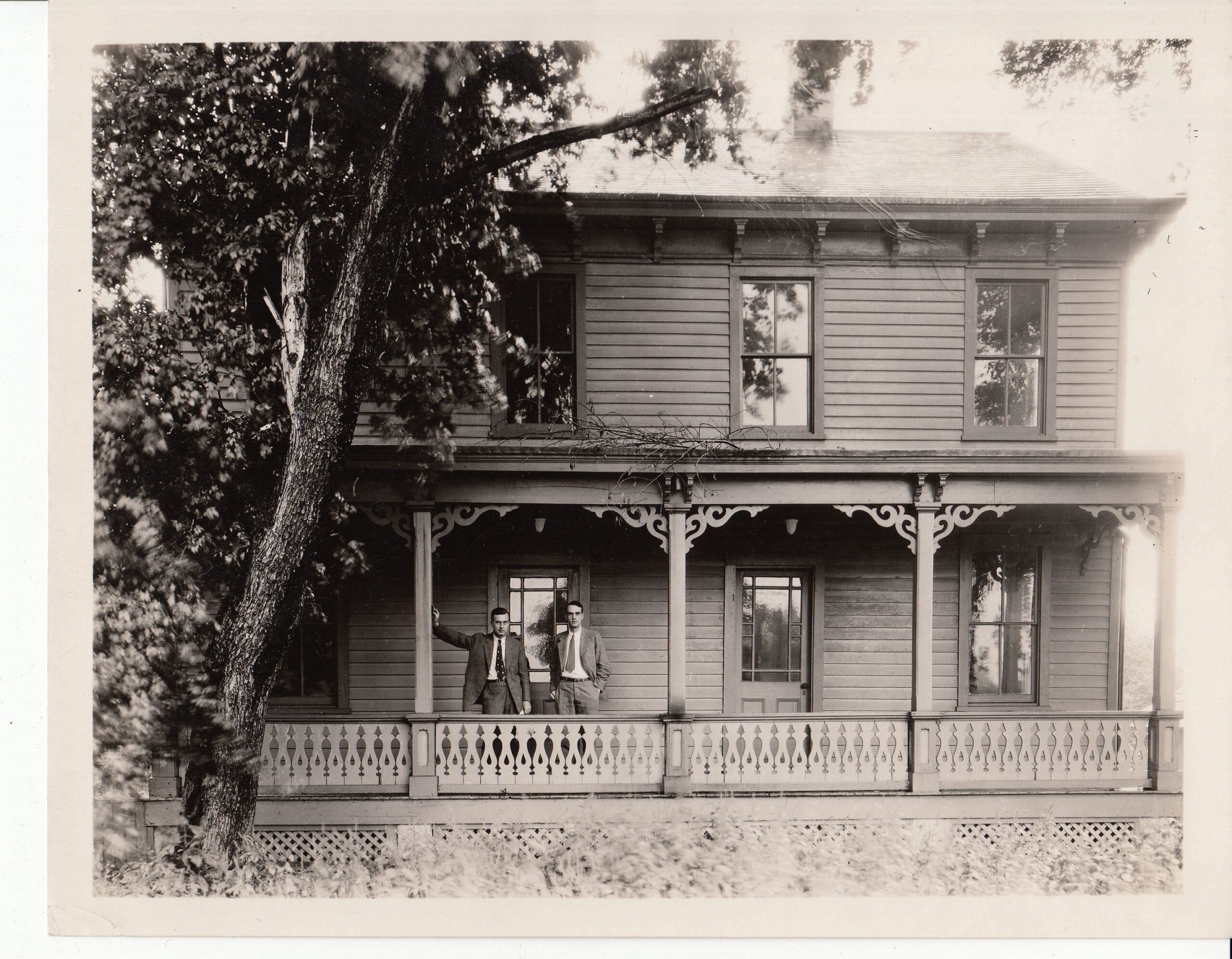
Edison married Mina Miller on 24 February 1886. She was twenty; he was thirty-nine. They moved into Glenmont, the substantial house at Llewellyn Park in West Orange. Their children were Madeleine, born 31 May 1888; Charles, born 3 August 1890; and Theodore, born 10 July 1898.
Mina worked deliberately to create a disciplined household. Meals, education, servants, visitors and social obligations had to accommodate Edison’s irregular appearances. Glenmont could be warm and privileged, but it was not a conventional family home.
The six children were never a single nursery group. Marion was thirteen when Edison remarried; Thomas Junior ten and William seven. Madeleine was born two years later and Theodore not until 1898. Schooling, travel, marriage and estrangement meant they were rarely all resident at Glenmont together.
Madeleine Edison
Madeleine grew up amid the more established wealth of West Orange. She was educated at Bryn Mawr and became involved in social and civic activities. In 1914 she married John Eyre Sloane, an aviation pioneer and manufacturer.
The marriage connected two technological families. Sloane’s work in aircraft interested Edison, who had speculated about flight but did not become an aviation manufacturer. Madeleine raised four sons and remained active in public causes. She later ran for Congress in New Jersey, unsuccessfully, and supported women’s organisations and conservation.
She also defended and interpreted the family legacy. Like many children of celebrated figures, Madeleine could preserve affectionate memories while resisting accounts she believed distorted her parents.
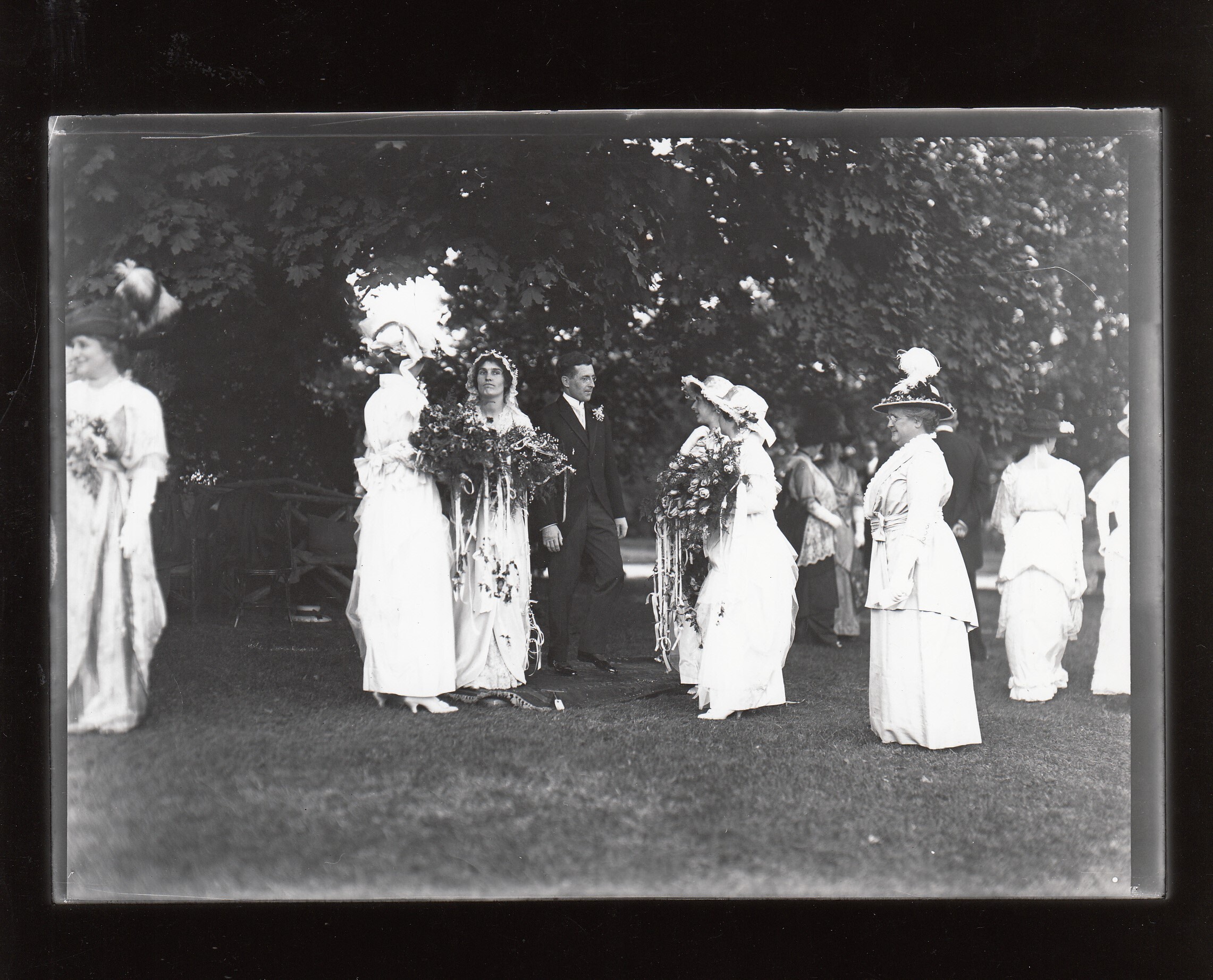
Charles Edison: from the phonograph company to politics
Charles followed the most public institutional path. After a restless education and youthful interest in theatre, he worked in the Edison companies. He became president of Thomas A. Edison, Incorporated, in 1926 as his father’s active management declined.
The appointment was not ceremonial. The phonograph business faced severe competition from radio and electrical recording, and the company’s diverse product lines needed rationalisation. Charles could not restore every Edison enterprise, but he managed the difficult transition away from rule by the founder.
Charles then entered government. President Franklin D. Roosevelt appointed him Assistant Secretary of the Navy; he served briefly as Secretary of the Navy in 1940. Later that year he was elected governor of New Jersey. His political career, including support for reform of the state constitution, gave him an identity independent of laboratory invention.
He died in 1969. Of all six children, Charles most visibly inherited responsibility for the Edison public institution, but he did so as an administrator and politician rather than as a second Wizard.
Theodore Edison: an inventor on his own scale
Theodore was born when his father was fifty-one. He studied physics at the Massachusetts Institute of Technology and became the only Edison child to build a sustained career as an independent inventor. He worked for the family company before establishing Calibron Industries.
His patents covered varied devices and materials, but he avoided claims to his father’s scale. Theodore and his wife Anna were also committed conservationists and opponents of some large development projects. Their interests joined technical curiosity with environmental responsibility.
Theodore lived until 1992. His long life extended a direct family connection from the nineteenth-century invention factory into the computer age.
Brothers, sisters and inheritance
Differences between the two sets of children were sharpened by age, mothers and money. Mary’s children remembered insecurity and bereavement at Menlo Park. Mina’s children grew up at Glenmont after Edison had become wealthy and internationally famous. This did not guarantee happiness, but it supplied stronger routines and education.
Inheritance produced legal and emotional tensions, especially between older and younger children. Edison’s businesses were complicated and not all were prosperous. Mina and Charles became central to managing property and reputation after his death.
No responsible history should diagnose the family from a few hostile letters. The evidence does show recurring patterns: Edison was affectionate in his own fashion, valued education and could be generous; he was also absent, demanding and intolerant of conduct that threatened his name.
What became of Dot and Dash?
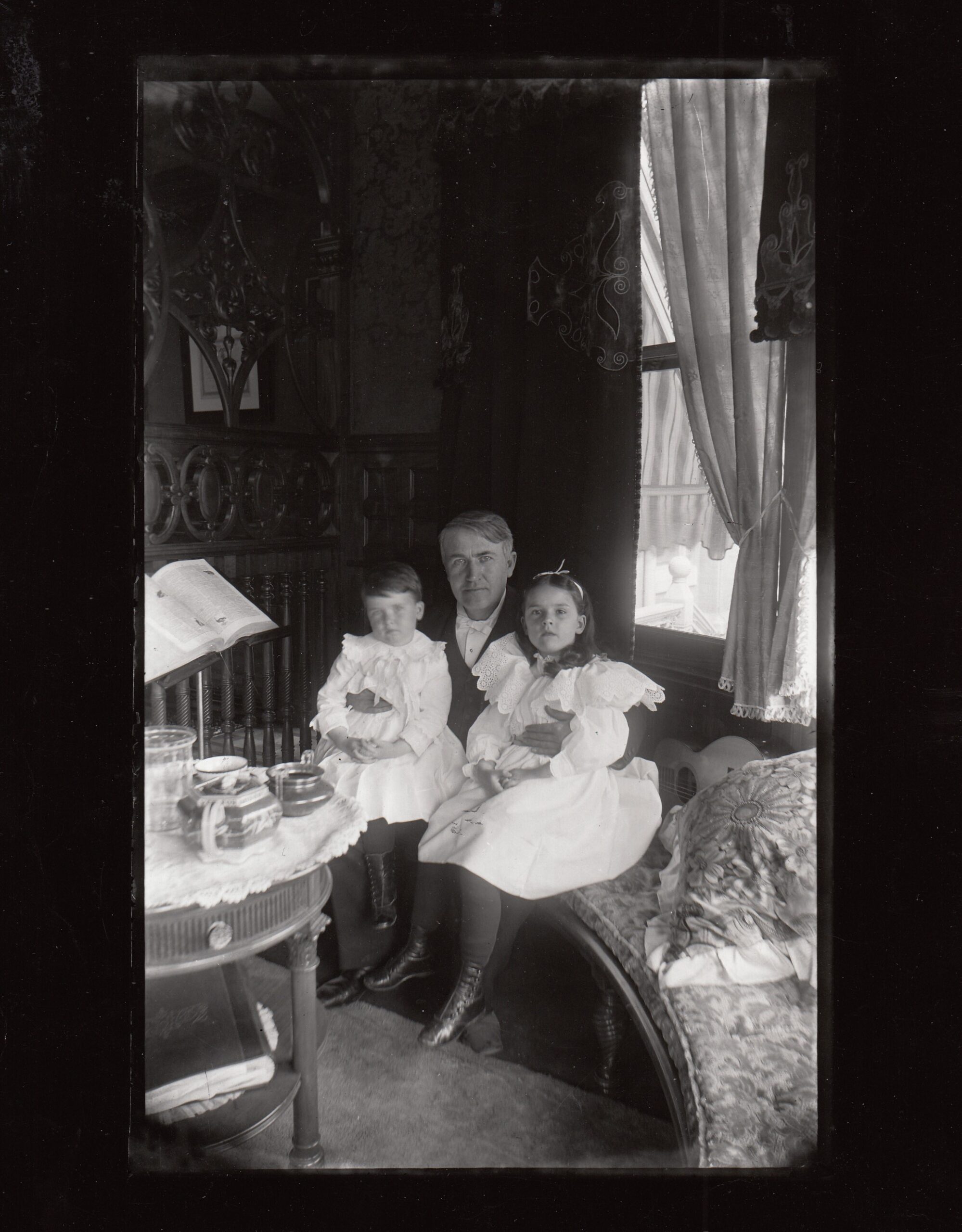
Dot became Marion Oeser and spent much of her adult life in Germany before returning home. Dash struggled under the exact reproduction of his father’s name and died without achieving the fame promoters promised. Their siblings found other routes: William away from the company, Madeleine in family and civic life, Charles in industry and government, Theodore in smaller-scale invention and conservation.
The children did not inherit genius as a family substance. They inherited wealth in uneven forms, access, scrutiny, grief and a story already written around them. Even the affectionate telegraph nicknames made Marion and Thomas Junior characters in their father’s biography before they could write their own.
Their six lives bring Edison out of the laboratory. He could organise hundreds of experiments but not control the consequences of childhood, marriage or character. The most famous inventor in America left a family legacy as complicated as any of his machines.
Sources and further reading
- Thomas Edison National Historical Park, “The Edison Family” – overview of Edison’s two marriages and six children.
- National Park Service, “Marion Estelle Edison Oeser” – Marion’s dates, education, marriage and later life.
- National Park Service, “Charles Edison” – business and political career.
- National Park Service, “Theodore Miller Edison” – education, inventions and conservation.
- Thomas Edison National Historical Park, “Glenmont Estate” – household and family context.
- Paul Israel, Edison: A Life of Invention (John Wiley & Sons, 1998) – Edison’s marriages, household and relations with his children.