In the spring of 1921, newspapers published a challenge that seemed to come straight from Thomas Edison’s own desk. Could a job applicant name the country that produced the most nickel? Where was the Volga? Who invented logarithms? What city was famous for laundry machinery? The questions ranged across geography, history, manufacturing, science and facts that many educated people had never needed to remember.
This was the “Edison test”, an examination devised for applicants to his companies. It was admired as a defence of practical knowledge and ridiculed as a collection of trivia. Edison believed that a mind stocked with facts could make decisions quickly. His critics replied that memory was not intelligence and that an employer who had left formal school early was setting an eccentric entrance examination for university graduates.
A century later, the questions are entertaining. The argument behind them is more important. The test reveals what Edison expected from employees, how he judged education and why the qualities that made him a formidable experimenter did not necessarily make him a fair examiner.
The questionnaire that escaped into the newspapers
Edison had used technical examinations long before 1921. In 1883 he prepared tests for prospective electrical employees covering dynamos, steam engines and meters. Those questions were closely related to the work. They asked whether a candidate understood machinery and could reason through the operation of an electric-light station.
The later questionnaire was different. It was intended to identify men who possessed what Edison regarded as an unusually retentive and well-furnished mind. Applicants wrote their answers rather than choosing from a list. The questions were supposed to be confidential, but a candidate supplied them to the press. The New York Times printed versions of the examination and proposed answers, forcing Edison to change it more than once.
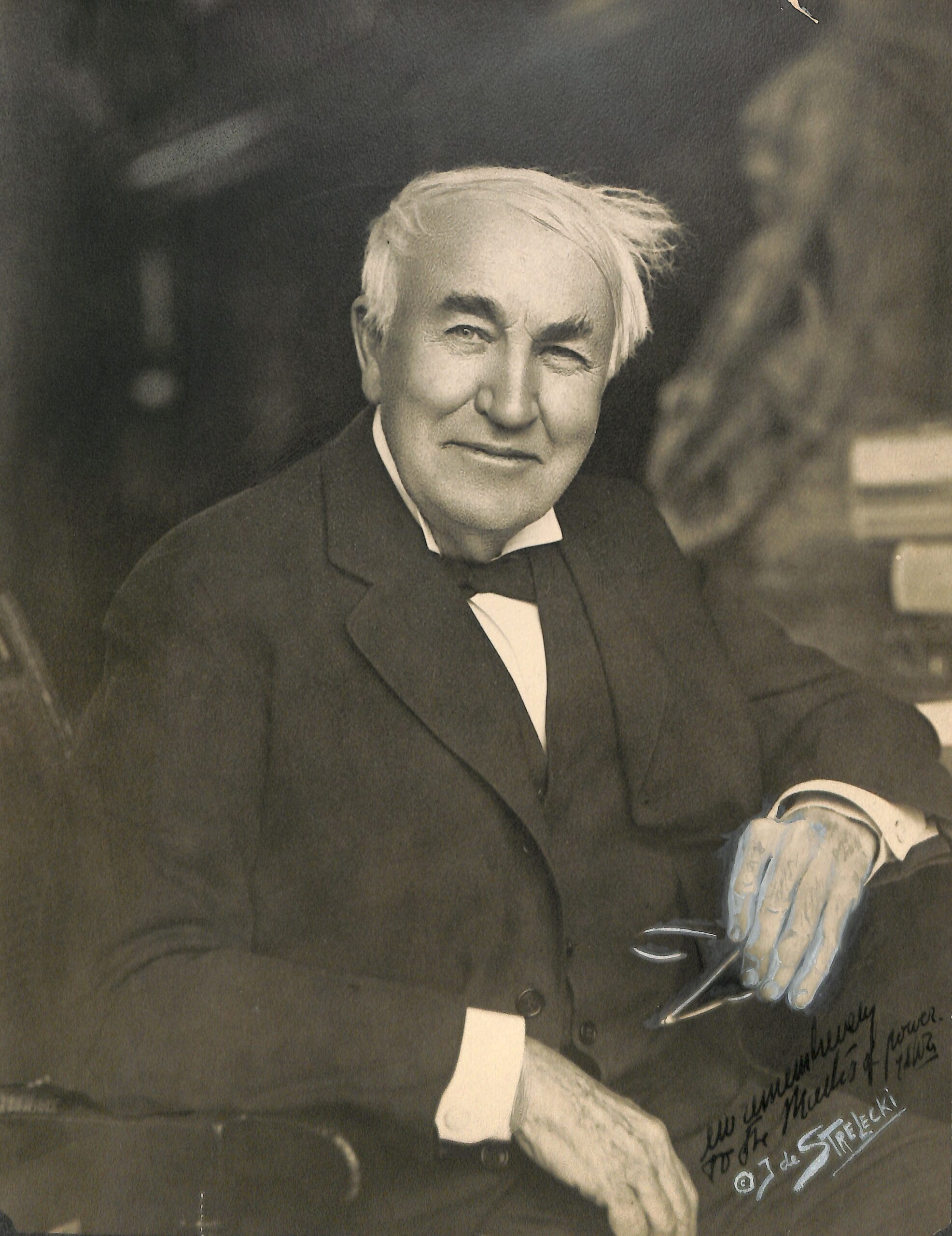
Once the list became public, the examination stopped being a private employment device and became a national parlour game. Newspapers tested professors, students, politicians and local celebrities. The results encouraged easy headlines: distinguished people could answer surprisingly few of Edison’s questions, while an unknown reader might triumph over several of them.
The publicity suited Edison’s public image even when it mocked him. At seventy-four he was still presented as the nation’s examiner-in-chief, entitled to ask what other people knew.
What did Edison actually ask?
The surviving lists mix durable general knowledge with the commercial geography of the early twentieth century. Applicants were asked to identify places, people, materials, inventions, industries and historical events. Some questions tested facts that remain familiar: the location of Copenhagen, the author of Les Misérables, or the meaning of the Spanish Armada. Others depended upon the world of 1921, including the leading producers of particular commodities or American towns associated with specialised manufacture.
The National Park Service has adapted a selection into a multiple-choice quiz. The original applicant received no helpful alternatives. A blank line waited beneath the question, and Edison expected the name or fact from memory.
That distinction matters. Recognising “balsa” among four kinds of wood is easier than summoning it unaided as the answer to “What is the lightest wood?” Modern readers also approach the test with instant maps and search engines close at hand. Edison was judging the internal store of knowledge that a person carried into an office or factory.
Why Edison valued memory
Edison did not regard the questions as random amusement. His companies handled electrical equipment, chemicals, recordings, batteries, cement and an international network of customers and suppliers. A manager might need to understand where a raw material came from, recognise a technical term or make a decision without a long search through reference books.
His own working habits reinforced the idea. Edison read voraciously, clipped articles, filled notebooks and maintained a large technical library. He could draw connections between telegraphy, acoustics, chemistry and manufacturing because he had accumulated an enormous range of information. He wanted employees who could perform a similar mental movement.
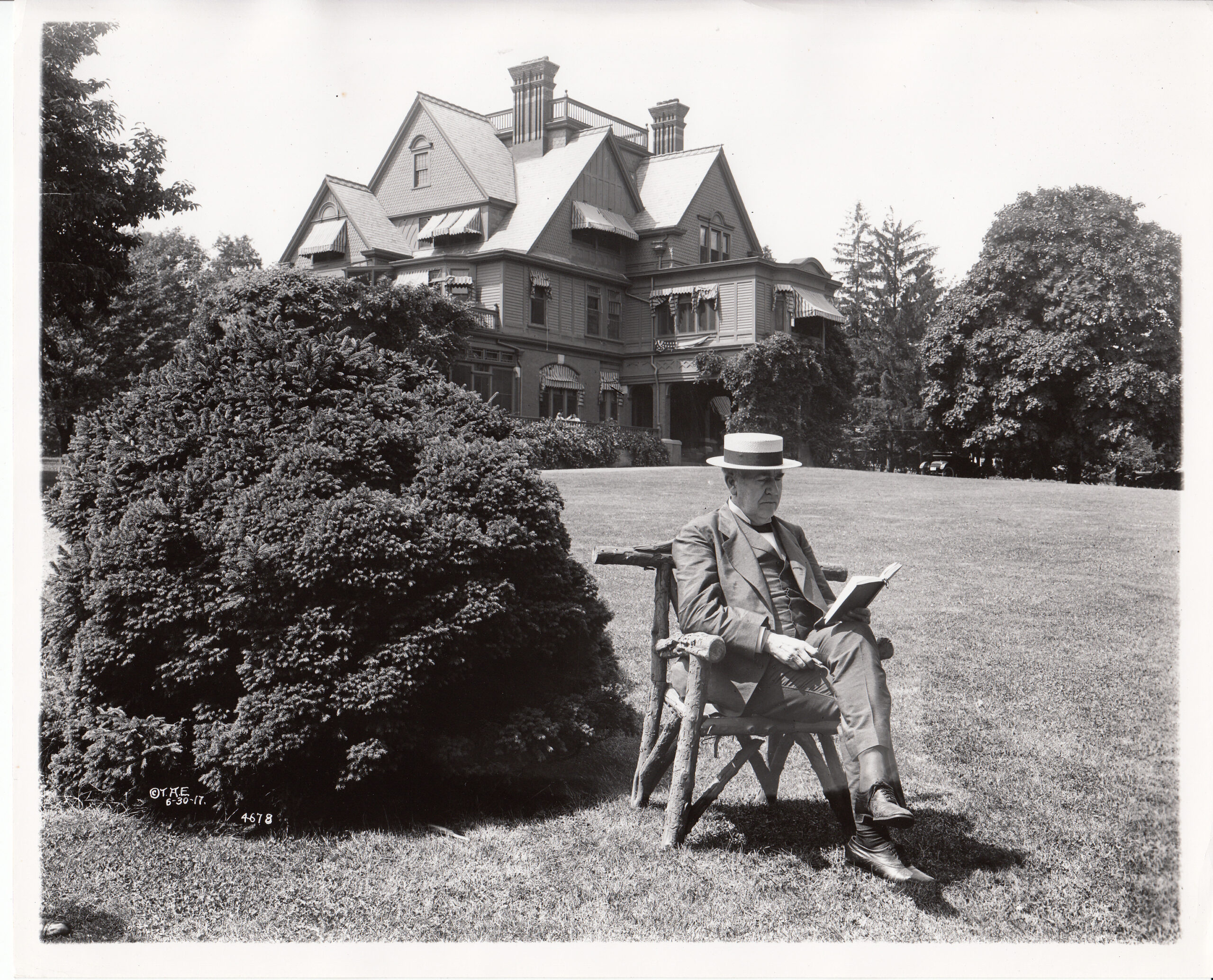
There was also a practical distrust of delay. Edison preferred people who could begin an experiment, find the needed material and keep a project moving. To him, ready knowledge suggested mental energy. A candidate who knew many different things might appear more adaptable than one whose expertise stopped at the edge of a university subject.
The weakness was the assumption that memory measured those qualities reliably. It does not. A person can remember capitals and commodities without exercising sound judgement, while an excellent engineer may forget names yet understand principles deeply.
Theodore Edison and the limits of the test
The most damaging story concerned Edison’s youngest son, Theodore. The National Park Service records that Theodore failed the questionnaire despite being a gifted student at the Massachusetts Institute of Technology. He later graduated in physics, worked in the Edison organisation, founded Calibron Industries and earned more than eighty patents of his own.
If the account is accepted, Theodore’s subsequent career is an effective answer to the test. The examination could reject someone with mathematical ability, experimental discipline and genuine inventive promise because he did not possess Edison’s preferred assortment of remembered facts.
Albert Einstein was also reported to have failed after the questions appeared in newspapers. The anecdote should be treated cautiously: it is repeated by the National Park Service, but popular versions often turn an informal encounter with the published questions into a formal job examination. Einstein was not applying to work in an Edison factory. The value of the story is not a competition between two famous men. It illustrates the absurdity of using unrelated facts to rank intellectual power.
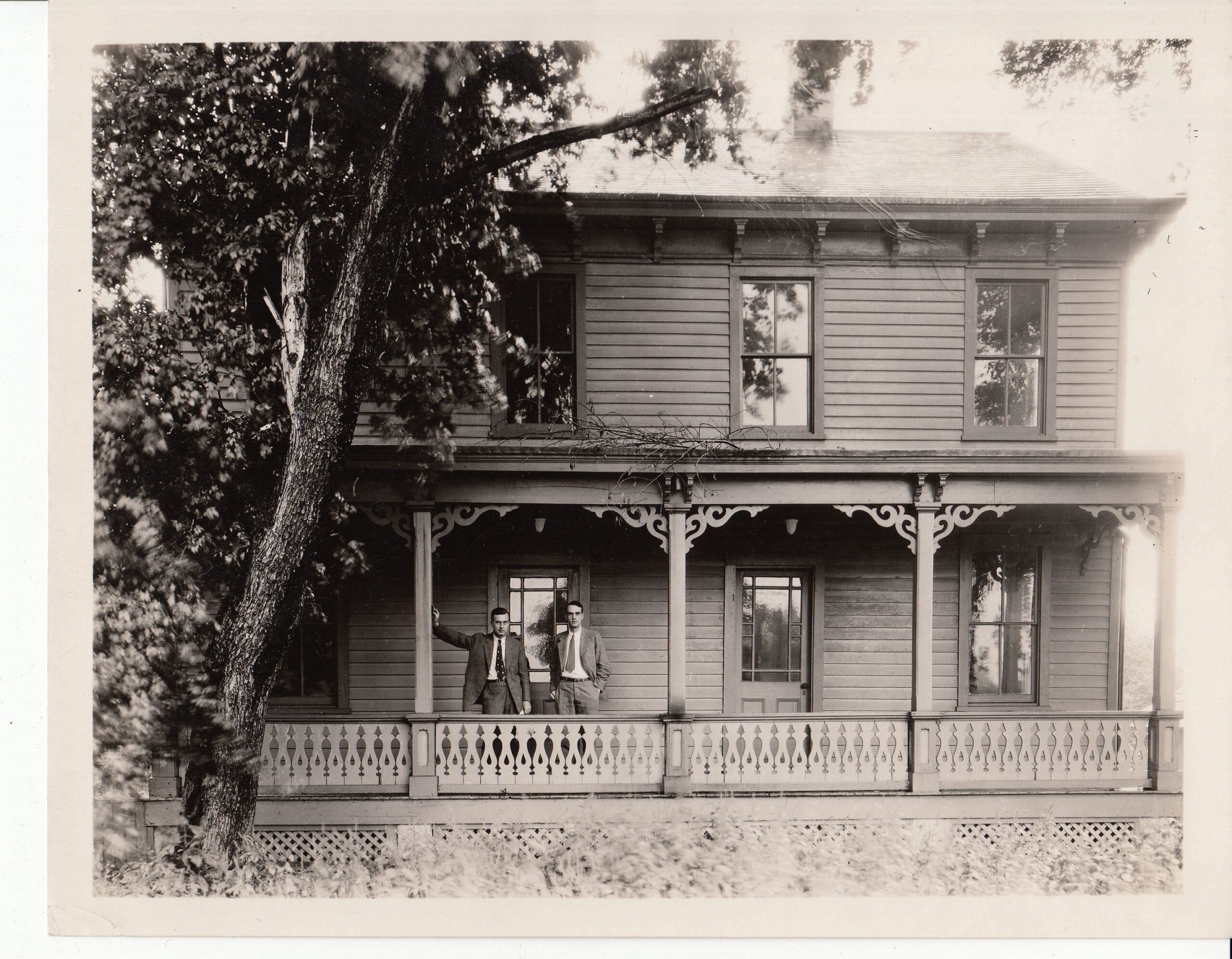
Was Edison hostile to universities?
Edison’s relationship with formal education was more complicated than the familiar image of a self-taught inventor scorning professors. His own classroom schooling was brief, and his mother Nancy supervised much of his education. He learned telegraphy through work, reading and experiment. That experience made him suspicious of credentials that were unsupported by practical ability.
Yet he employed university-trained specialists when he needed them. Francis Upton brought advanced mathematics and physics to the electric-light project. Chemists, engineers and scientifically trained employees worked at West Orange. Edison could mock academic habits while making use of academic knowledge.
His objection was often directed at narrowness. He disliked the graduate who knew a speciality but seemed helpless outside it. The questionnaire attempted to expose that limitation, but substituted another: it rewarded breadth of recall without proving depth, imagination or competence.
This is one reason the examination attracted so much criticism. Edison’s own career demonstrated the value of persistent investigation and skilled collaboration, qualities that a one-sitting quiz barely touched.
What the test missed about Edison’s laboratories
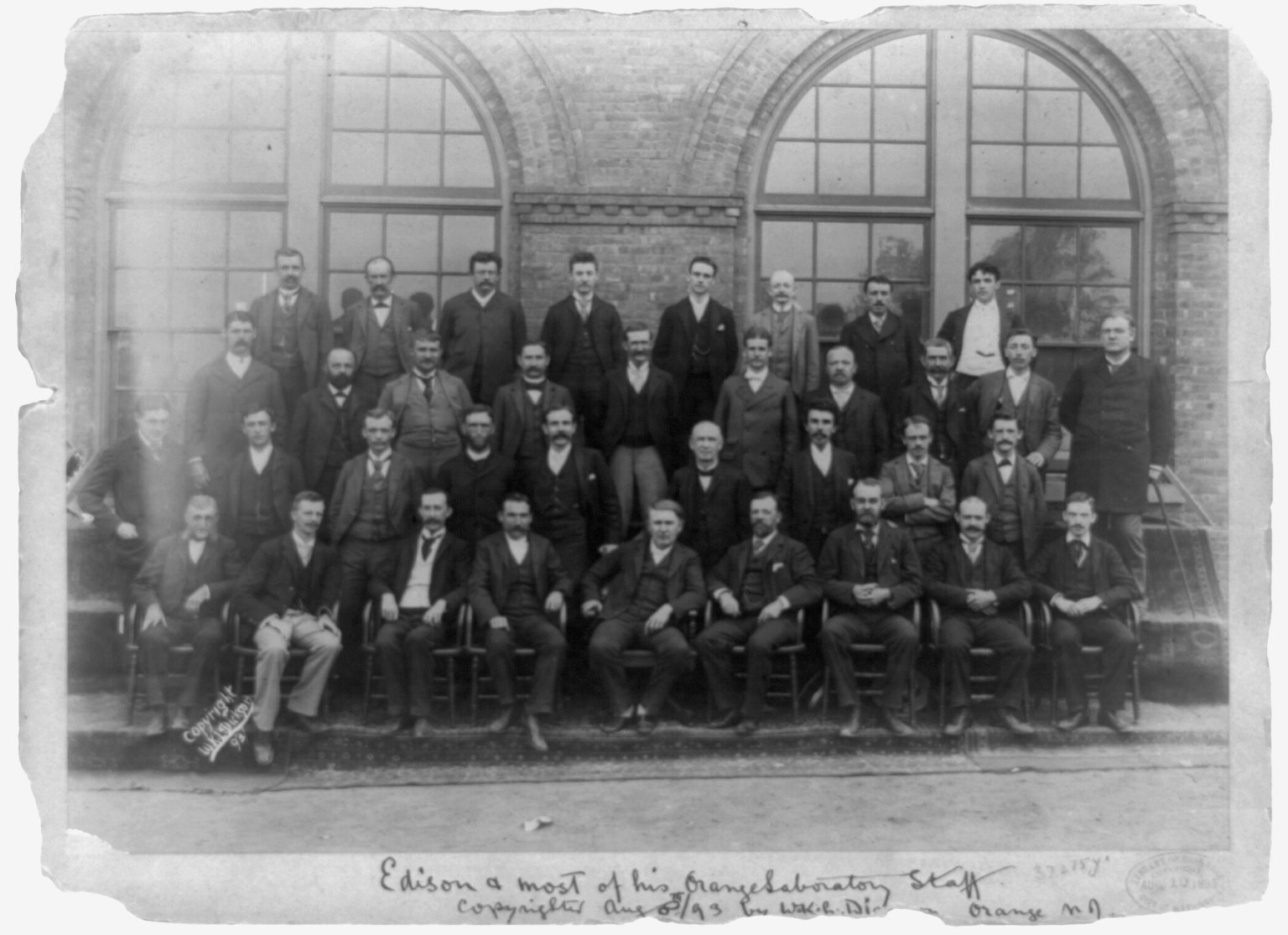
The great achievements associated with Edison did not emerge from a room full of men answering isolated questions. They came from teams that combined different kinds of ability. Machinists such as John Kruesi could turn a sketch into working apparatus. Charles Batchelor organised experiments and contributed technical judgement. Upton calculated electrical systems. Glass-blowers, draughtsmen, chemists and factory workers supplied knowledge that no single applicant carried.
The laboratory method worked because expertise was distributed. Edison did not personally calculate, machine, blow glass, test chemicals and administer every business. He directed a system in which people with unequal educations and distinct talents could attack different parts of a problem.
The questionnaire therefore sat awkwardly beside the institution Edison had built. His laboratories showed that useful knowledge is collective. His test tried to measure how much of the world one person could hold in his head.
Could you pass it today?
A modern reader would probably perform unevenly. Some answers have changed with political borders, industrial centres and scientific measurement. Other questions remain simple. Much depends upon interests, age and education. A geographer, chemist and historian would each dominate different parts of the list.
That is precisely why a score tells us so little. The examination is enjoyable when treated as a historical quiz. It becomes misleading when presented as a neutral scale of intelligence. It measured familiarity with the world as Edison organised it: industries, materials, notable men, canonical books and facts reported in the American press.
Its omissions are also revealing. It gave little space to the ability to frame a new problem, test an uncertain claim, work with colleagues, recognise an error or persist through an experiment. Those were among the qualities Edison demanded every day.
The final verdict on the Edison test
Edison’s questionnaire was not meaningless. It expressed a defensible belief that knowledge matters and that an educated person should be curious beyond a single occupation. Employers still look for adaptable candidates who can connect information and act without constant supervision.
But the test confused the contents of memory with the quality of mind. It was shaped by one man’s reading, businesses and prejudices, then presented as though the resulting score exposed a candidate’s general worth. Its most famous supposed failures are remembered because they make the flaw obvious.
Edison’s better examination was the laboratory itself. There, an idea faced materials, measurements, cost and repeated failure. No amount of remembered geography could make a lamp burn reliably or a phonograph reproduce speech. A candidate who knew every answer might still be useless at the bench; one who failed half the questions might notice the fact that changed an industry.
Sources and further reading
- Thomas Edison National Historical Park, “The Edison Test” – surviving questions, contemporary controversy and the Theodore Edison and Einstein accounts.
- Thomas A. Edison Papers, Document Sampler – Edison’s earlier technical employee tests of 1883.
- Thomas A. Edison Papers, “Operating the Laboratory” – recruitment, experimental records and division of labour.
- Thomas A. Edison Papers, “Thomas Edison and His Papers” – Edison’s reading, notebooks and information system.
- Thomas Edison National Historical Park, “Theodore Miller Edison” – Theodore’s education, career and patents.