Lewis Howard Latimer is often placed beside Thomas Edison in a story that sounds irresistible. A Black inventor, it is said, improved Edison’s light bulb by creating the carbon filament that made it practical. Some versions make him a member of Edison’s Menlo Park team; others imply that Edison took his invention. The true relationship is different—and more revealing.
Latimer did important work in electric lighting before and after he joined an Edison company. He developed a method of making carbon conductors while employed by a rival, wrote an early technical book on incandescent lighting, prepared drawings and became an expert witness in patent litigation. He did not invent Edison’s filament, and he did not work at Menlo Park. His Edison career belonged to the corporate and legal struggle that followed the laboratory breakthrough.
From fugitive slavery to patent drawing
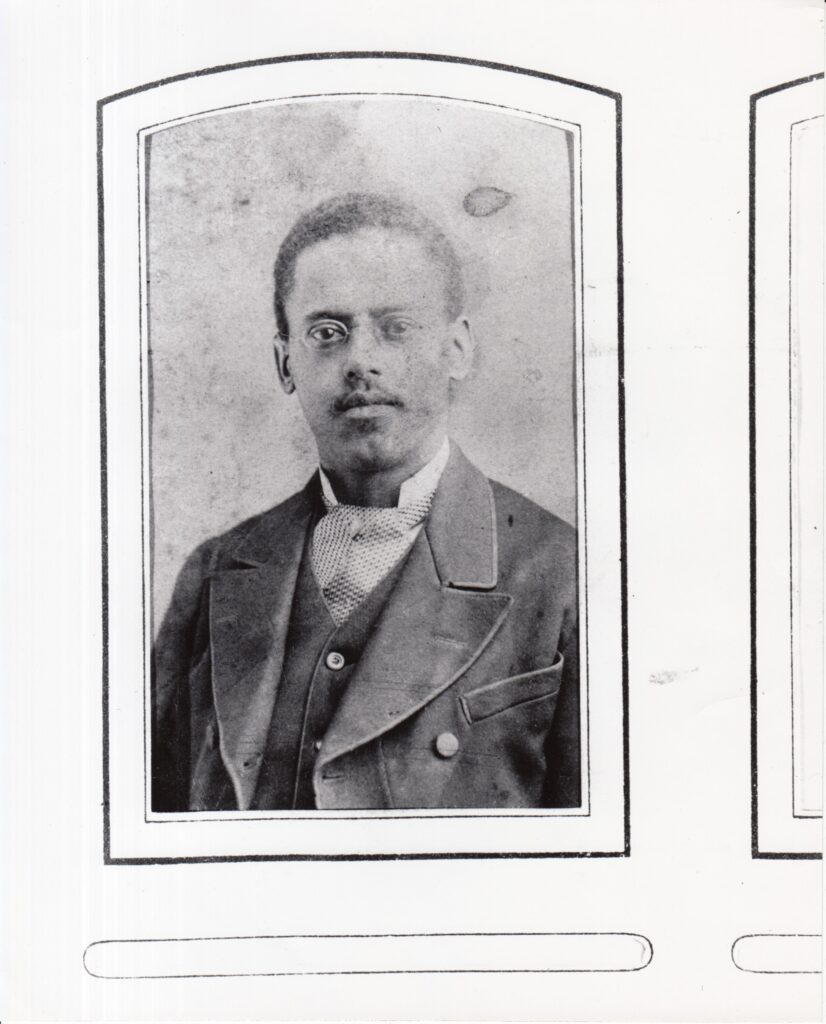
Latimer was born in Chelsea, Massachusetts, on 4 September 1848. His parents, George and Rebecca, had escaped slavery in Virginia. Their precarious freedom became a celebrated legal and abolitionist case when George Latimer was arrested in Boston in 1842. The agitation helped produce Massachusetts’s Personal Liberty Law, but fear of recapture remained part of the family’s life.
Lewis enlisted in the United States Navy during the Civil War and served aboard the USS Massasoit. After the war he found work at the Boston patent firm Crosby, Halstead and Gould. He began as an office boy, taught himself mechanical drawing and became a skilled draftsman.
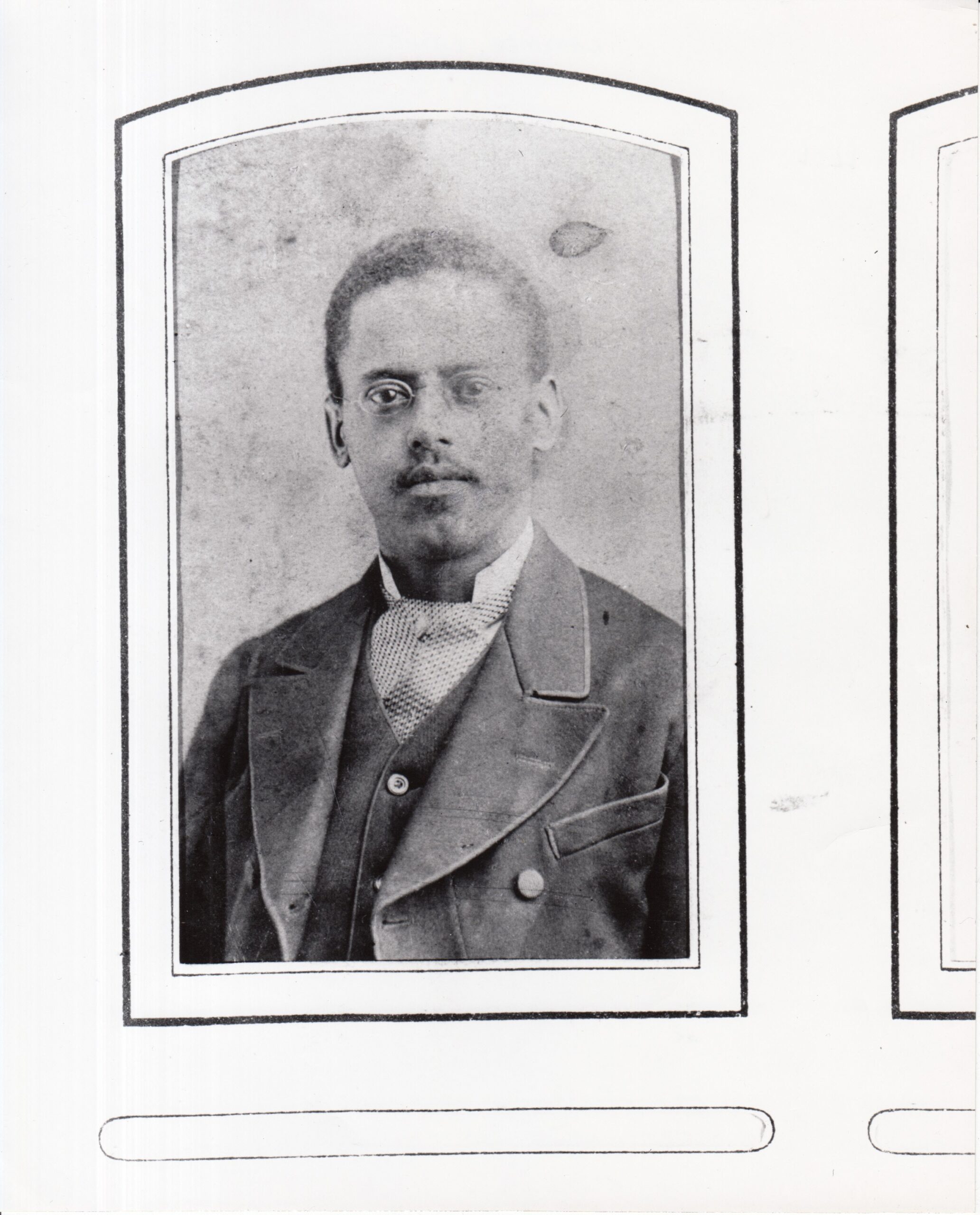
Patent drawing demanded exactness. A draftsman had to understand how a machine worked, present its essential features and respond quickly to inventors and lawyers. Latimer’s ability carried him into invention. With W. C. Brown he patented an improved railway-car water closet in 1874.
In 1876 Alexander Graham Bell asked Latimer to prepare drawings for his telephone patent application. Later retellings sometimes claim that Latimer drafted the application overnight and secured Bell’s priority by hours. The documentary record confirms his drawing work, but the most dramatic timing claims should be treated cautiously.
Working for an Edison rival
Latimer entered electric lighting not through Edison but through Hiram Maxim’s United States Electric Lighting Company. Maxim was an energetic competitor whose company pursued incandescent lamps and central-station systems. Latimer became draftsman and technical employee, learning lamp manufacture from the inside.
In 1881 Latimer and Joseph V. Nichols received a patent for an electric lamp, and in 1882 Latimer received a patent for a process of manufacturing carbon conductors. The method improved the handling of fragile carbon during production by enclosing it in a cardboard envelope while carbonising it.
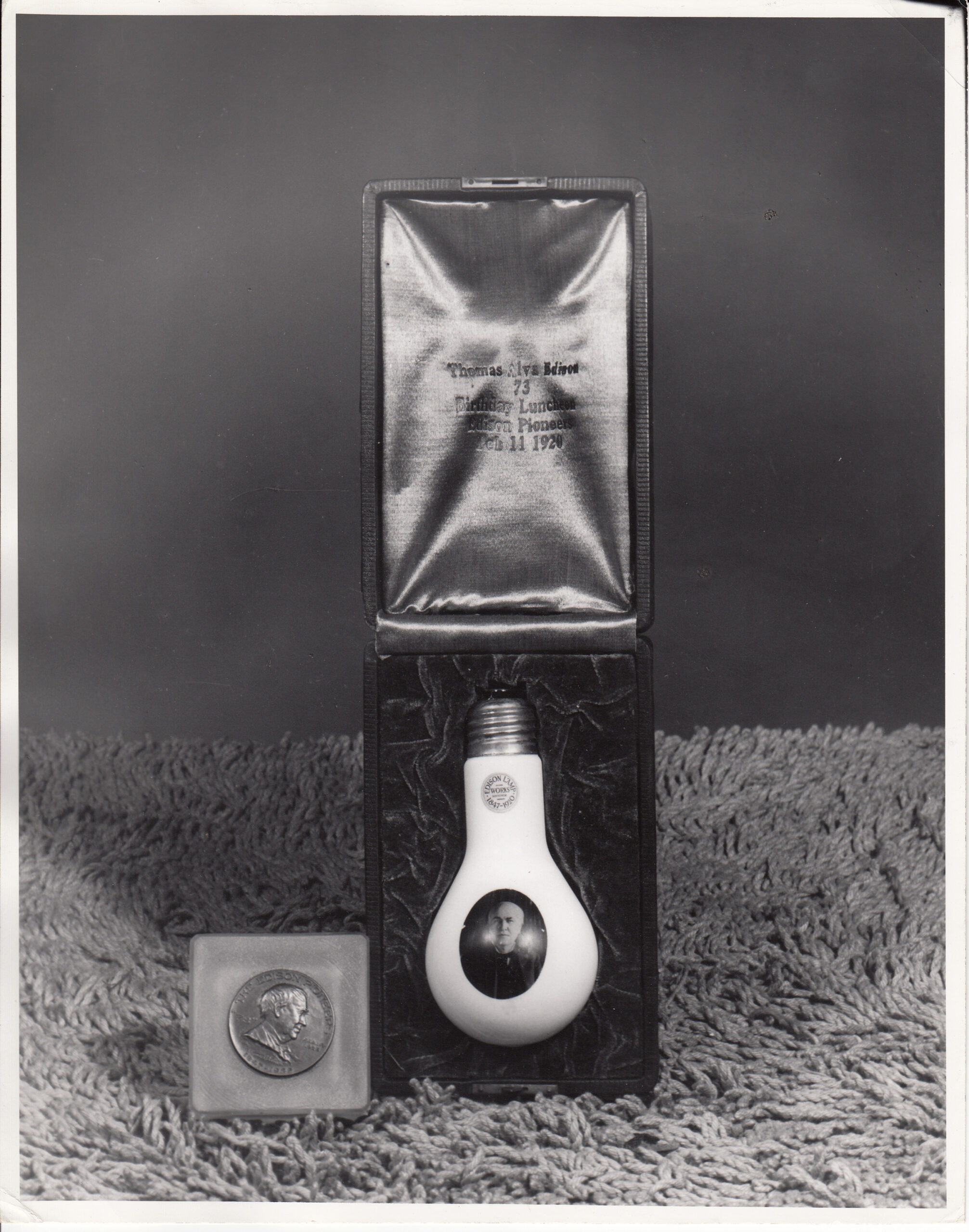
This was a real and useful contribution. It was not, however, the invention of the carbon filament. Carbon conductors had been tried by many experimenters before 1882. Edison’s laboratory obtained high-resistance carbonised filaments and demonstrated a practical lamp system in 1879, more than two years before Latimer’s manufacturing-process patent.
The distinction matters because exaggeration diminishes Latimer’s actual achievement. He helped solve a production problem within a competitive lighting industry. That is a stronger historical claim than the inaccurate slogan that he secretly invented Edison’s bulb.
Installing lights and explaining the system
Latimer’s work extended beyond the drawing board. He travelled to supervise lighting installations, reportedly including projects in New York, Philadelphia, Montreal and London. An installation engineer faced unreliable supplies, inexperienced workers and customers who expected a new system to operate like gaslight.
In 1890 Latimer published Incandescent Electric Lighting: A Practical Description of the Edison System. It explained generation, distribution, lamps, testing and commercial practice. The title itself demonstrates the changed relationship: a man who had developed lamps for a rival was now an authority on the Edison system.
The book was not merely promotional. It translated a complex network into clear technical instruction. Latimer’s gift was analytical and communicative as well as mechanical. He could draw an apparatus, understand it, install it and explain it to others.
Joining the Edison Electric Light Company
In 1884 Latimer joined the Edison Electric Light Company in New York as a draftsman and engineering employee. Edison’s Menlo Park laboratory work had largely ended; the industry had moved into manufacture, central stations and patent warfare. Latimer therefore did not sit beside Edison during the famous bamboo-filament experiments.
The Edison organisation valued his knowledge of competing lamps and his command of patent drawings. He prepared technical material, investigated equipment and supported litigation. The lighting companies were fighting over the boundaries of Edison’s fundamental lamp patent and over numerous improvements.
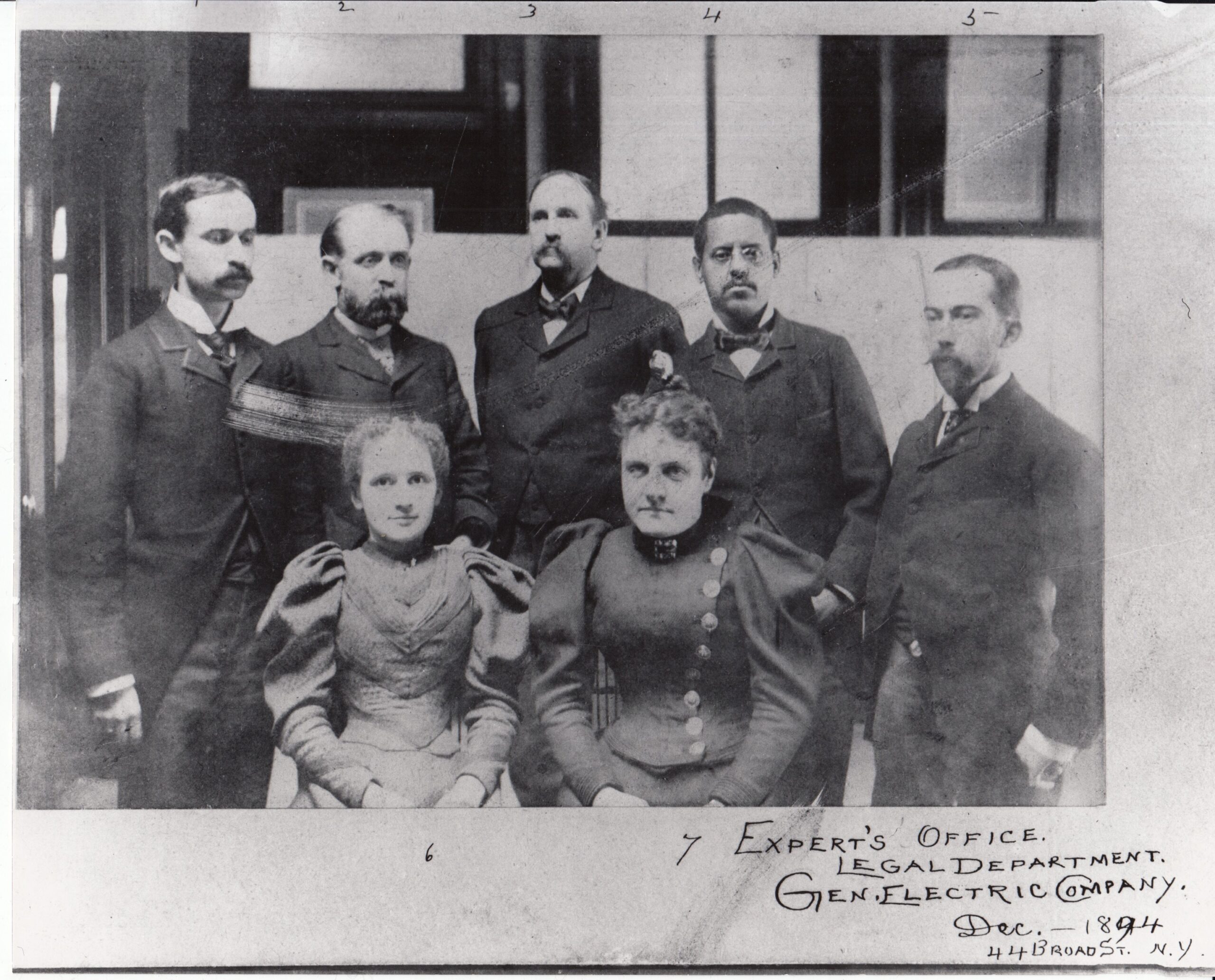
Latimer’s earlier service with Maxim made him especially useful. He understood rival technologies and could distinguish designs that preceded a patent from those that followed it. In court, a persuasive technical witness needed accuracy, composure and the ability to make complicated machinery intelligible.
Patent battles and the “experts” office
After the formation of Edison General Electric in 1889 and its merger into General Electric in 1892, Latimer continued in the legal department. He worked in what photographs label the experts’ office, preparing exhibits, researching patents and advising lawyers.
One central conflict concerned Edison’s US Patent 223,898, issued in 1880. The Edison companies argued that its claim to a high-resistance carbon filament covered important competing lamps. Courts eventually upheld a significant claim, strengthening the company’s position. Latimer assisted the Edison side; he was not testifying that he had invented the same filament himself.
This legal role has sometimes been mistaken for subordination rather than invention. In fact, technological industries needed people who could reconstruct experiments and interpret drawings under hostile questioning. Latimer’s expertise helped turn laboratory records into enforceable corporate property.
What was Latimer’s relationship with Edison?
Latimer was an employee of Edison companies and later General Electric, not a close personal partner comparable with Charles Batchelor. Direct daily contact with Edison appears to have been limited. Their professional worlds overlapped through the corporate system bearing Edison’s name.
That does not make the connection artificial. Latimer’s book, patent work and long participation in the Edison Pioneers show that he identified strongly with the lighting enterprise. Edison respected technical competence and later knew Latimer within the community of veterans, though popular claims of an intimate laboratory partnership go beyond surviving evidence.
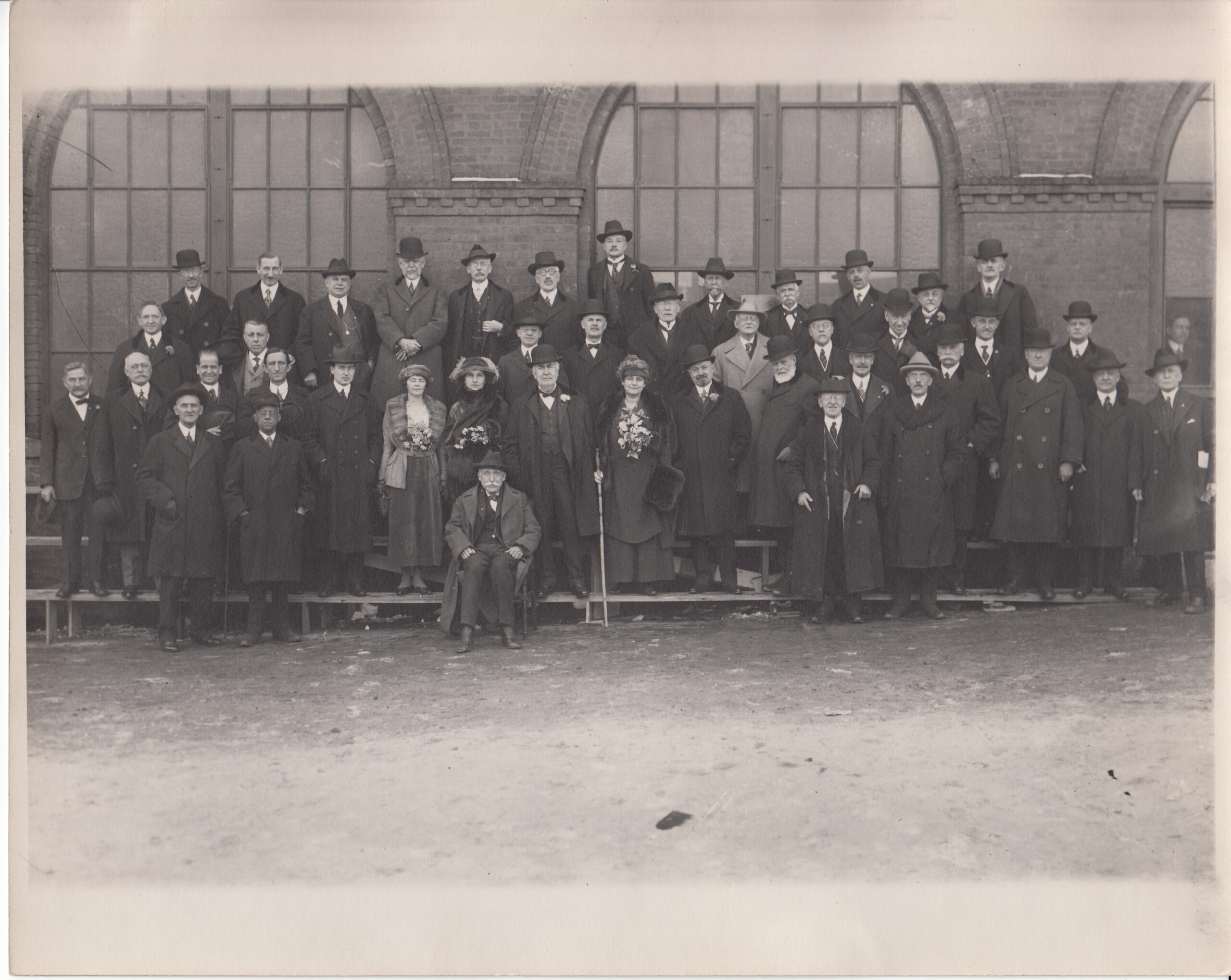
In 1918 Latimer became a charter member of the Edison Pioneers, an organisation restricted to men associated with the early electrical industry. He was its only known Black founding member. The group celebrated Edison, preserved memories and created a network of old colleagues. Latimer served as a historian and cultural contributor within it.
A Black inventor in the electrical industry
Latimer’s race shaped the possibilities and obstacles of his career. Patent offices, engineering firms and electrical corporations in the nineteenth century were dominated by white men. His rise from office boy to draftsman, inventor and expert was exceptional, but it should not be presented as evidence that discrimination had vanished.
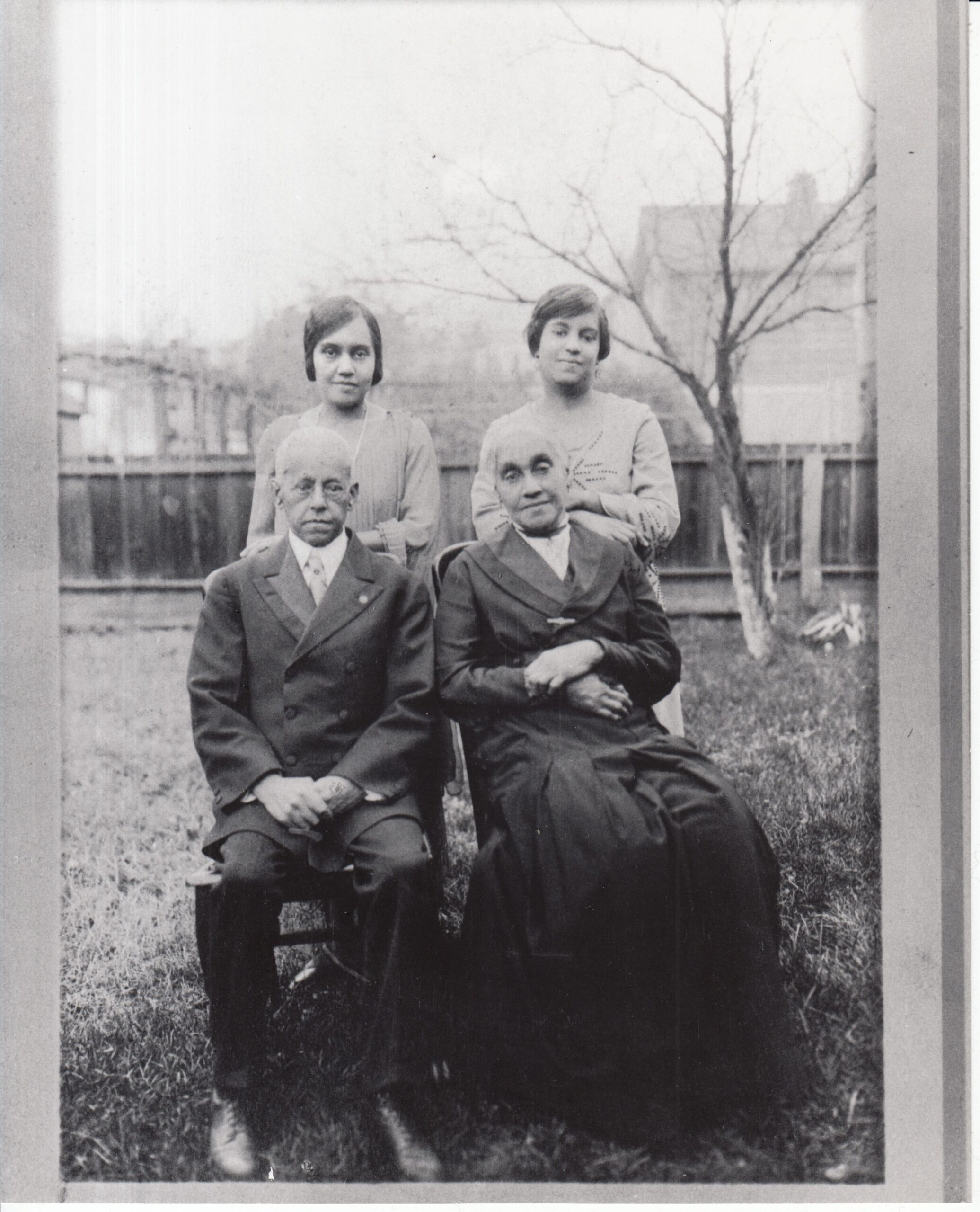
He moved through abolitionist and Black cultural circles, wrote poetry and plays, played music and taught mechanical drawing. His home life with his wife Mary and daughters Jeanette and Louise formed another centre of his identity. He was not simply a supporting character in the lives of Bell or Edison.
Latimer also patented improvements outside electric light, including a locking rack for hats and coats and an apparatus for cooling and disinfecting. None achieved Edison’s commercial scale. Together they reveal a persistent independent inventive life.
Why the myth persists
The simplified filament story answers a real need. Traditional accounts excluded Black technical achievement, and Latimer offers a documented figure who stood inside the electric-lighting industry. Correcting exclusion by enlarging one claim can seem harmless.
It is not harmless when the result contradicts chronology. It exposes Latimer’s reputation to easy dismissal and repeats the lone-inventor model with a different hero. The incandescent system was developed by competing teams over many years. Latimer’s carbon-manufacturing process belongs within that richer history.
The myth also treats drafting and litigation as lesser work. Yet patents shaped who could manufacture lamps and under what terms. A skilled Black draftsman who became a corporate expert in the 1880s and 1890s occupied a remarkable technical position.
Latimer’s own drawings demonstrate why that position mattered. A patent illustration was not decorative artwork: it had to distinguish the claimed mechanism from earlier devices and remain clear under legal attack. His years in the experts’ office joined mechanical understanding to historical reconstruction. The work helped decide which factory could sell a lamp, not merely how a lamp looked on paper.
The real relationship
Lewis Latimer did not give Edison the filament and did not labour anonymously at Menlo Park. He joined an Edison company in 1884 after making his own contribution to a rival lighting system. He then helped explain, defend and extend the Edison system during its transformation into a large corporation.
His career links invention to drawing, factory practice, international installation, technical writing and law. It also crosses the supposed line between rival camps. Electrical workers moved, companies merged and knowledge circulated even while patents were fiercely contested.
That history does not need an invented friendship or a stolen bulb. Latimer’s documented life is substantial enough: born to parents who escaped slavery, a Civil War sailor, Bell’s draftsman, Maxim’s lighting engineer, an inventor of carbon-manufacturing methods, an Edison patent expert and a respected Pioneer who insisted upon his place in American technology.
Sources and further reading
- National Museum of American History, “Lewis H. Latimer (1848–1928)” – career, lighting patents and Edison-company employment.
- Smithsonian Lemelson Center, “Innovative Lives: Lewis Latimer” – biography, drafting, writing and invention.
- US Patent 252,386, “Process of Manufacturing Carbons” – Latimer’s 1882 carbon-conductor process.
- Lewis H. Latimer, Incandescent Electric Lighting (1890) – Latimer’s own technical account of the Edison system.
- National Park Service, “Lewis Latimer” – family background, career and historical significance.