The men around Thomas Edison acquired a memorable name: the muckers. It suggests a gang of cheerful mechanics, sleeves rolled up, working through the night while Edison issued flashes of inspiration. There is truth in the picture. Menlo Park was informal, exhausting and intensely practical. Yet the label can hide as much as it reveals.
Edison’s invention factories were not filled with interchangeable assistants. Machinists, experimenters, chemists, mathematicians, glassblowers, draftsmen, clerks and factory workers brought different skills. Some became partners and managers; some remained briefly; some left to build careers of their own. Women worked in associated factories and later laboratories, though the famous group photographs were overwhelmingly male. To ask who the muckers were is therefore to ask how invention became organised labour.
What did “mucker” mean?
The word had rough working associations before it became part of Edison legend. It could mean a labourer, an unpolished companion or someone willing to tackle dirty work. Edison and his associates used informal language for the laboratory fraternity, while later recollections and histories made “muckers” a convenient collective name.
Not every person employed by an Edison company would have recognised it as a formal job description. There was no payroll column headed “mucker”. The term is most useful when it points to the hands-on, collaborative culture around experimental work. It becomes misleading when it turns hundreds of distinct careers into a loyal chorus behind one hero.
A laboratory built around a machine shop
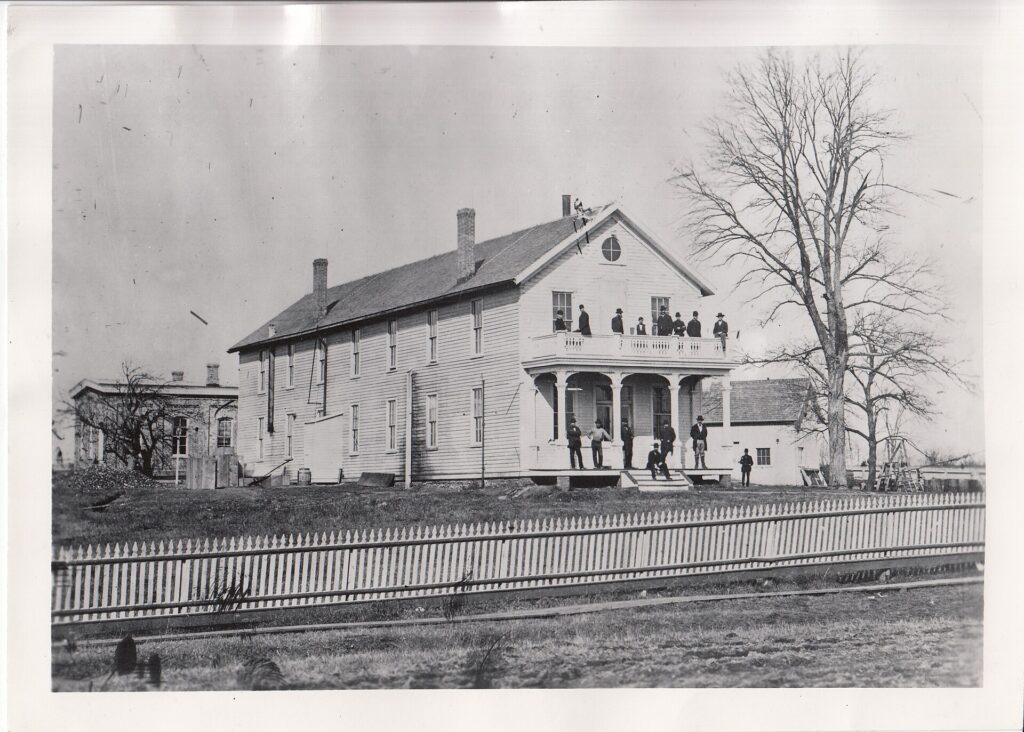
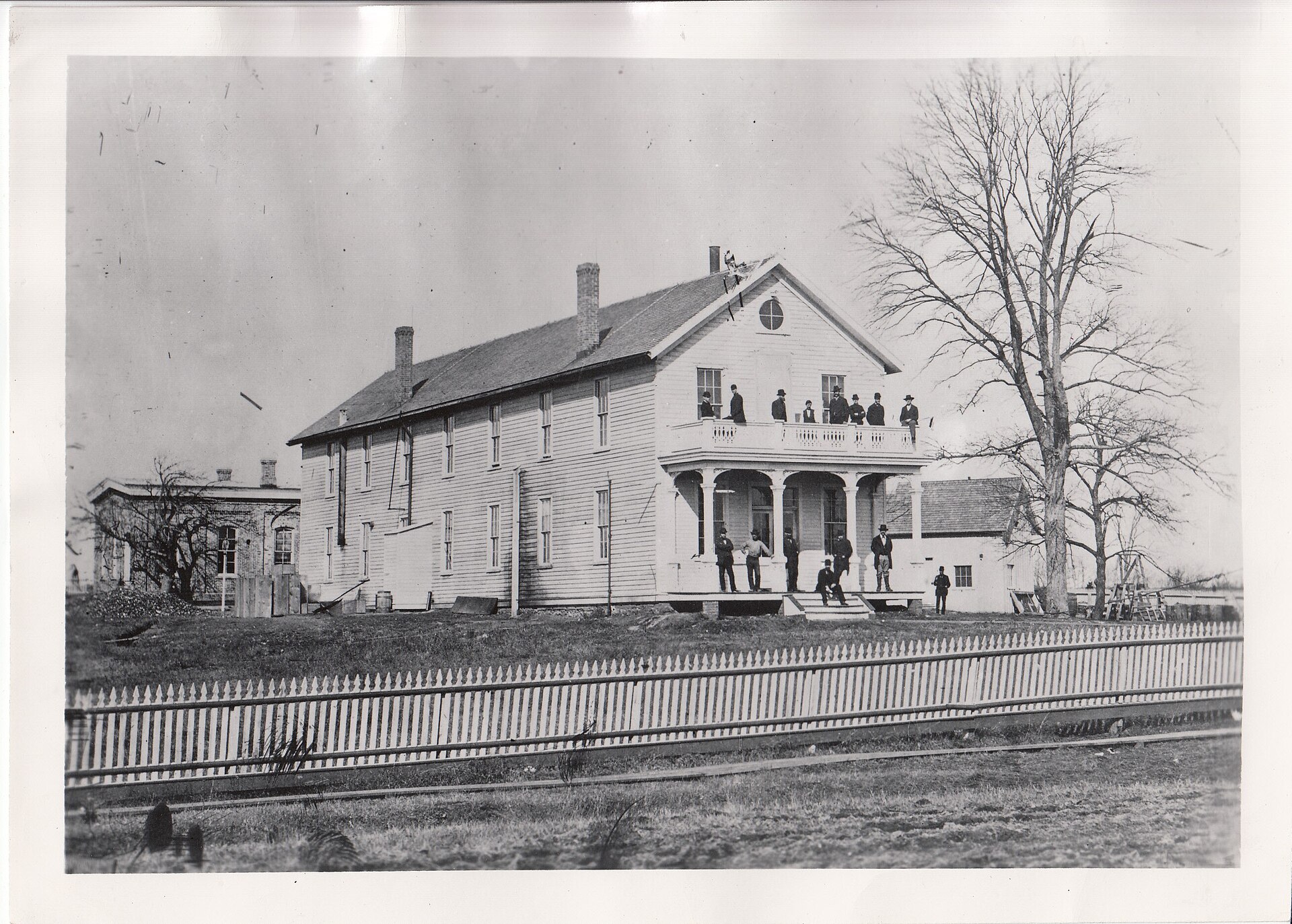
When Edison opened Menlo Park in 1876, his laboratory staff was small. It expanded to about twenty-five by the spring of 1878 and, according to the Edison Papers, reached roughly fifty or sixty by 1880 when electric-light work accelerated. Numbers fluctuated as projects and businesses changed.
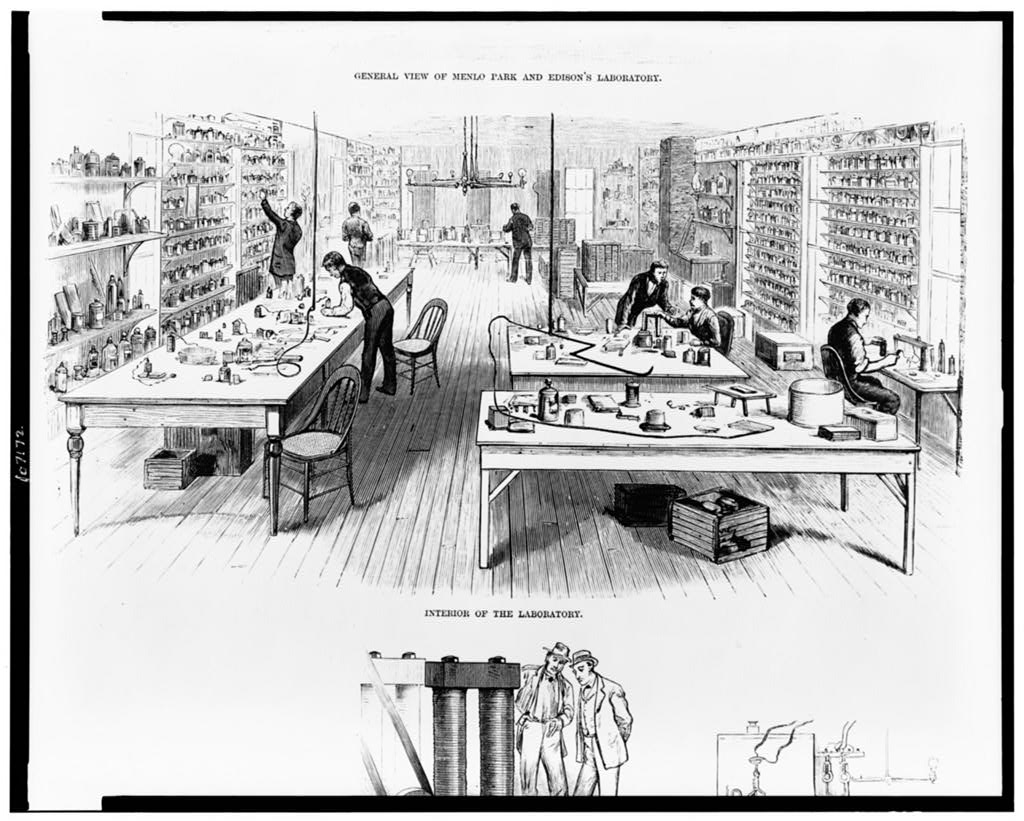
The machine shop was fundamental. An experimenter who wanted a new armature, screw thread or diaphragm did not have to send a drawing to a distant contractor and wait. Skilled machinists could make it on the premises, test it and alter it the same day. John Kruesi, who constructed the first successful tinfoil phonograph, embodied that speed.
Charles Batchelor was Edison’s senior practical partner. Francis Upton brought university mathematics and physics to the lighting programme. Ludwig Boehm and other glassworkers shaped bulbs and components. John Ott, James Adams, Francis Jehl and dozens more carried out experiments, managed equipment or moved into manufacturing.
Hours, wages and the night shift
The romantic night vigil had an economic reality. The Edison Papers describes sixty-hour weeks as common and eighty-hour weeks as possible during intense development. Employees might sleep on a bench or under a table, wake for food and resume a trial. A project approaching demonstration or patent filing could absorb days.
Wages differed with skill and bargaining power. Francis Upton, despite an advanced education, recalled beginning at twelve dollars a week. Senior machinists and managers could earn more or obtain interests in enterprises. Young assistants accepted modest pay partly because the laboratory offered unusual experience and the prospect of advancement.
Long hours were not harmless eccentricity. John Ott later remembered that his children scarcely knew him while he worked at Menlo Park. Employees had families, illnesses and ambitions beyond the laboratory. Edison endured punishing schedules himself, but his willingness to work all night also set the pace for men whose names were not on the building.
Meals, jokes, songs and practical tricks created fellowship. So did shared secrecy and the excitement of a successful test. That camaraderie should not be used to pretend that power disappeared. Edison hired, dismissed and reassigned staff, controlled resources and received the largest share of public credit.
How an experiment actually moved
A typical project did not pass through a fixed department in a neat sequence. Edison might dictate an idea or draw a rough arrangement. Batchelor or another senior experimenter would interpret it. A machinist produced parts, a chemist prepared substances, and an assistant recorded results. Failure sent the device back to the shop.
The notebooks are important because they preserve this movement. Pages contain signatures, initials, pasted drawings and handwriting from several men. Edison’s presence may be explicit in a direction, or implicit in a programme he reviewed. Attribution must be decided project by project, not by assuming that everything belonged either to Edison alone or to an undifferentiated team.
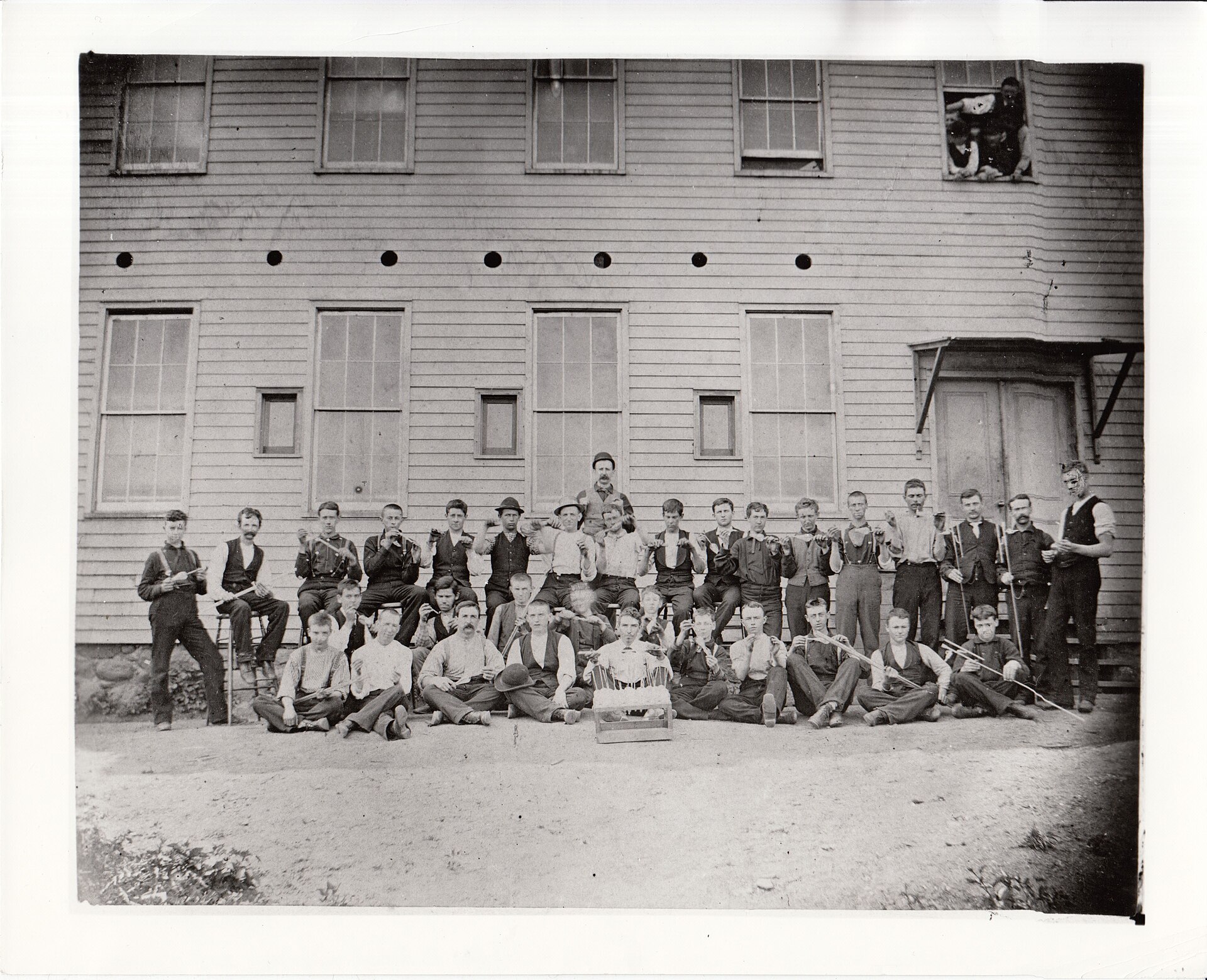
The lamp programme shows the method. Filament materials were carbonised and tested; bulbs had to be evacuated and sealed; generators were redesigned; distribution losses were calculated; sockets and safety devices were developed. The famous glowing filament makes sense only within that network of labour.
Scientists, craftsmen and apprentices
Popular accounts sometimes oppose Edison’s practical men to academic scientists. Menlo Park actually drew upon both. Upton studied under Hermann von Helmholtz in Germany. Chemists and technically educated assistants joined skilled craftsmen whose knowledge came through apprenticeship. Edison read scientific journals and hired people who could supply abilities he lacked.
The mix could cause tension. A formula was not useful if a machine could not be built; rule-of-thumb practice could waste weeks if a calculation exposed a flaw immediately. Men such as Batchelor translated between the two cultures. Edison’s achievement as organiser lay partly in making them work on the same commercial problem.
Skill also carried hierarchy. A trusted assistant might be allowed to pursue an idea, witness patents or travel abroad. A labourer could perform repetitive preparation with little influence over conclusions. Group photographs flatten these differences, but payrolls, notebooks and correspondence restore them.
From laboratory to factory
Once an invention appeared promising, a different workforce made it real. The Edison Lamp Works, Machine Works and other companies employed people who were not usually called muckers. They wound armatures, assembled lamps, tested products, packed orders and kept accounts.
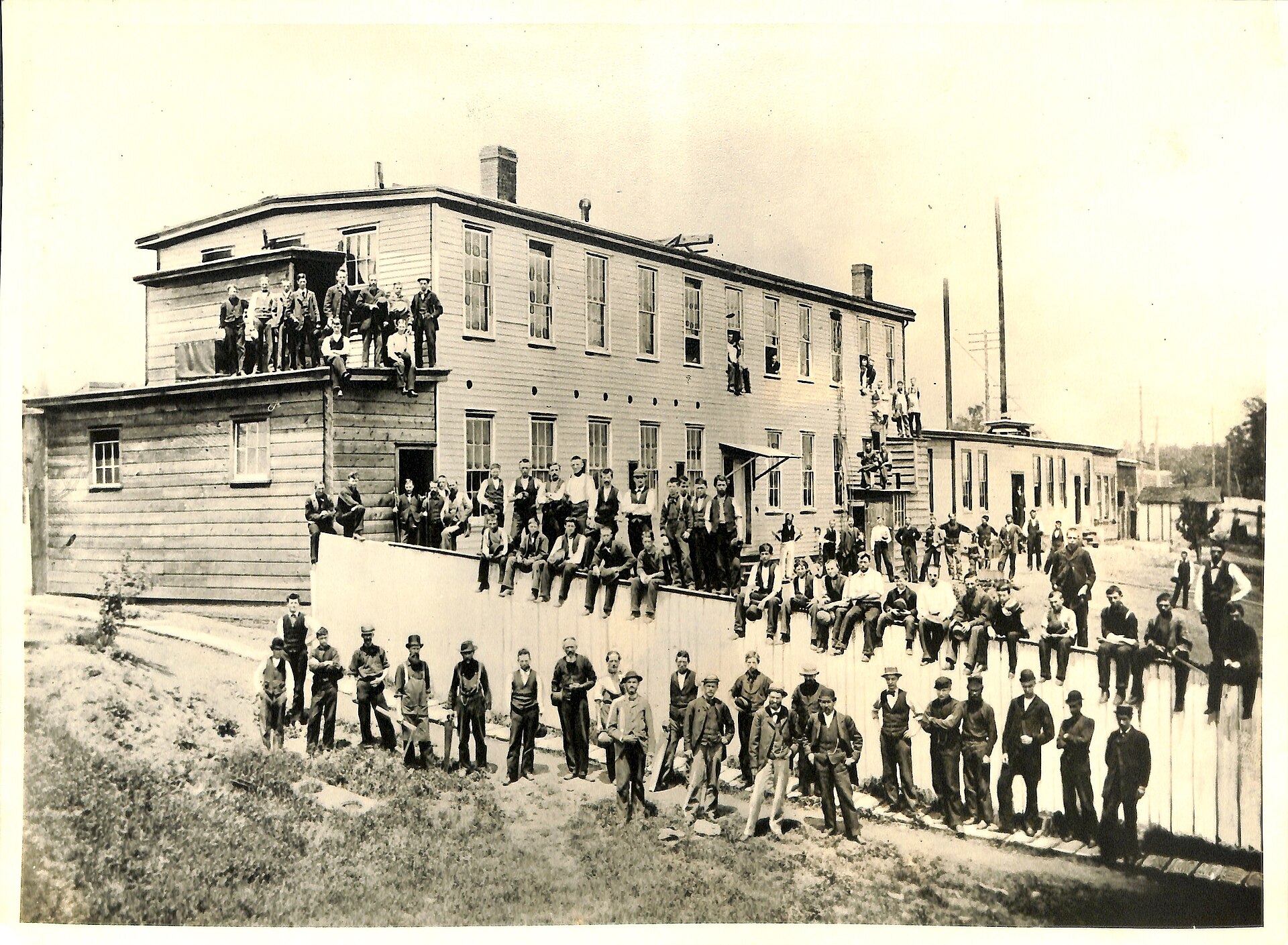
Women were prominent in several manufacturing tasks. Fine fingers were said to suit delicate filament and lamp work, an explanation that could disguise the attraction of lower-paid female labour. Women also appeared in clerical and later technical roles. Their absence from heroic laboratory narratives does not mean they were absent from the Edison system.
Immigrants were equally central. Batchelor came from England, Kruesi from Switzerland, Boehm from Germany and Upton from the United States. Others arrived through the dense skilled trades of Newark and New York. Menlo Park’s supposedly American style of invention was international in its people and knowledge.
The move to West Orange
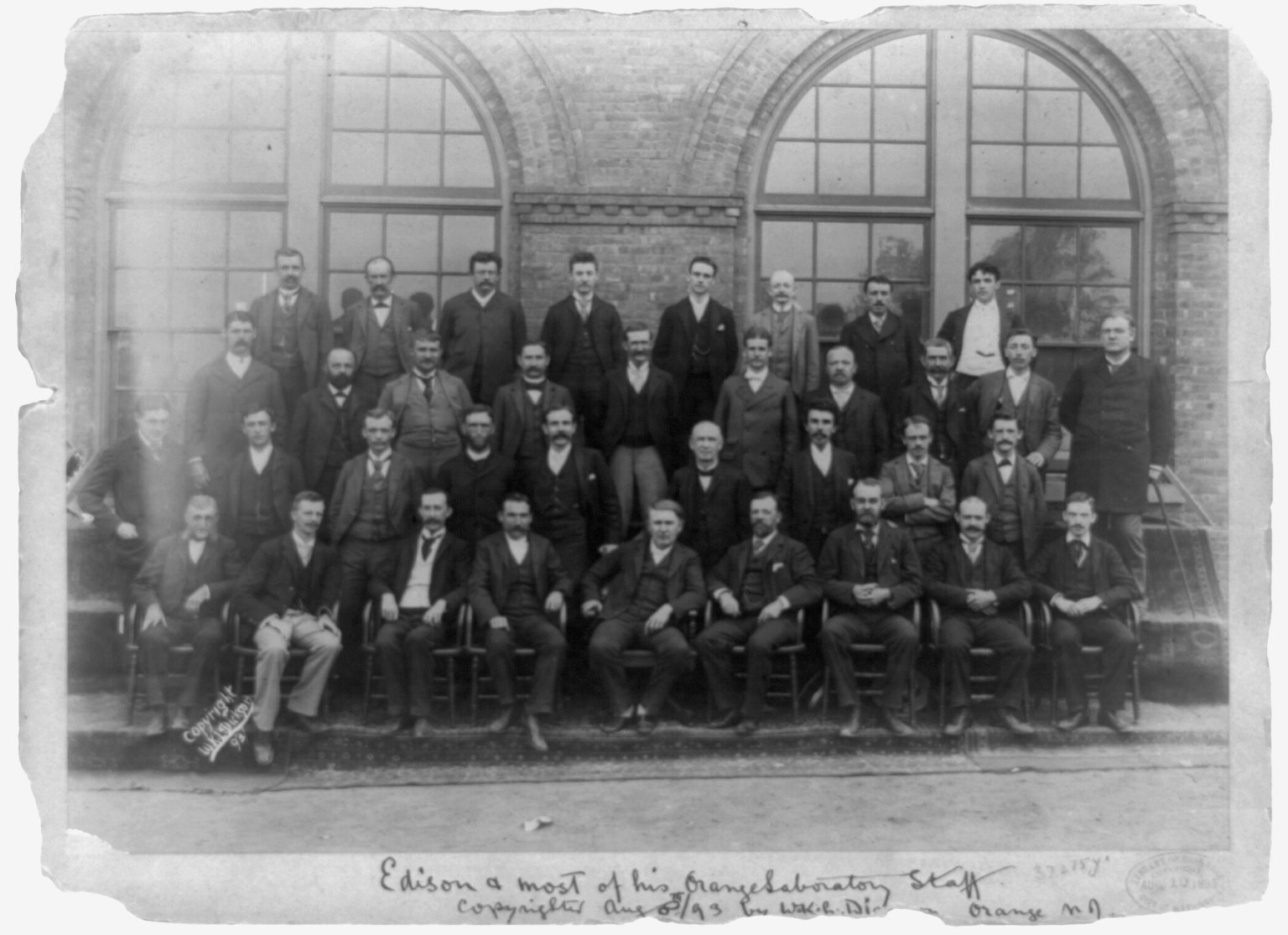
The West Orange laboratory, opened in 1887, transformed the scale of collaboration. A five-storey main building was accompanied by machine shops, chemical facilities, a power house, storage and later factories. Hundreds, and in associated works thousands, could be involved.
Departments and managers became more formal. Chemists pursued storage batteries, recording materials and rubber. Machinists built experimental equipment. William Kennedy Laurie Dickson led much motion-picture development before his break with Edison. Jonas Aylsworth worked on recording materials; Reginald Fessenden, Walter Miller and Miller Reese Hutchison each occupied important technical positions at different times.
The intimacy of Menlo Park could not survive unchanged. Edison still entered laboratories, proposed trials and questioned staff, but reports and managerial channels mattered more. A dispute over credit or employment could now involve a corporate legal department as well as the inventor.
Did Edison steal from the muckers?
The broad accusation is emotionally satisfying but historically blunt. Employees were hired to experiment for Edison enterprises, and patent rights were commonly assigned to the company. Edison’s name appeared on inventions to which staff contributed, but staff also received patents in their own names. Legal inventorship, business ownership and public reputation were three different things.
There were genuine conflicts. Dickson’s role in motion pictures was long overshadowed, and employee recollections could resent Edison’s publicity. At the same time, Edison made substantial conceptual and experimental contributions to many programmes. Replacing the myth of Edison alone with the myth that he did nothing solves no problem.
The best evidence is specific. Who proposed the device? Who drew it? Who ran the experiments? Whose observations changed the design? Who made it manufacturable? A responsible account can give several people credit without pretending their contributions were identical.
Lives after Edison
Work at an Edison laboratory was a school as well as a job. Some employees moved into management within the companies. Others joined competitors, opened firms or applied their experience to new fields. Loyalty was not permanent, and Edison could respond sharply when a valuable man departed with knowledge he considered proprietary.
Francis Upton became a leading manager in lamp manufacture. Batchelor represented Edison abroad and invested in ventures. Fessenden went on to important wireless work. Dickson joined the American Mutoscope and Biograph Company. Their later careers demonstrate that the laboratory did not merely magnify Edison; it trained and connected a generation of technical workers.
Who really invented at the invention factory?
The honest answer is neither “Edison” nor “the muckers” in isolation. Edison established the agenda, attracted capital, chose staff, participated intensely and carried the commercial risk. His employees supplied knowledge, craft, endurance and ideas without which the programmes would have failed.
The invention factory was Edison’s most influential creation because it organised those contributions around sustained development. It also concentrated ownership and publicity at the top. Modern corporate research laboratories inherited both features.
The muckers deserve names, not merely collective applause. Once Batchelor, Kruesi, Upton, Boehm, Ott, Dickson, Aylsworth and many others return to the benches, Edison does not disappear. Menlo Park becomes more impressive and more human: a workplace where invention was argued over, machined, measured, manufactured and paid for.
Sources and further reading
- Thomas A. Edison Papers, “Working at Menlo Park” – hours, wages, living conditions and employee recollections.
- Thomas A. Edison Papers, “Expanding the Laboratory” – growth and composition of the Menlo Park staff.
- Thomas A. Edison Papers, “Detailed Biography” – invention programmes and the development of Edison’s laboratories.
- Thomas Edison National Historical Park, “Thomas Edison Biography” – Menlo Park and West Orange context.
- Paul Israel, Edison: A Life of Invention (John Wiley & Sons, 1998) – the organisation, staff and commercial setting of Edison’s inventive work.