Thomas Edison and Wireless Telegraphy: Experiments at Sea Before Broadcasting
Before radio operators sent messages across the Atlantic, Thomas Edison tried to communicate with a moving train and a ship without a connecting wire.
Life, inventions and legacy of Thomas Edison
Browse the collection
Before radio operators sent messages across the Atlantic, Thomas Edison tried to communicate with a moving train and a ship without a connecting wire.
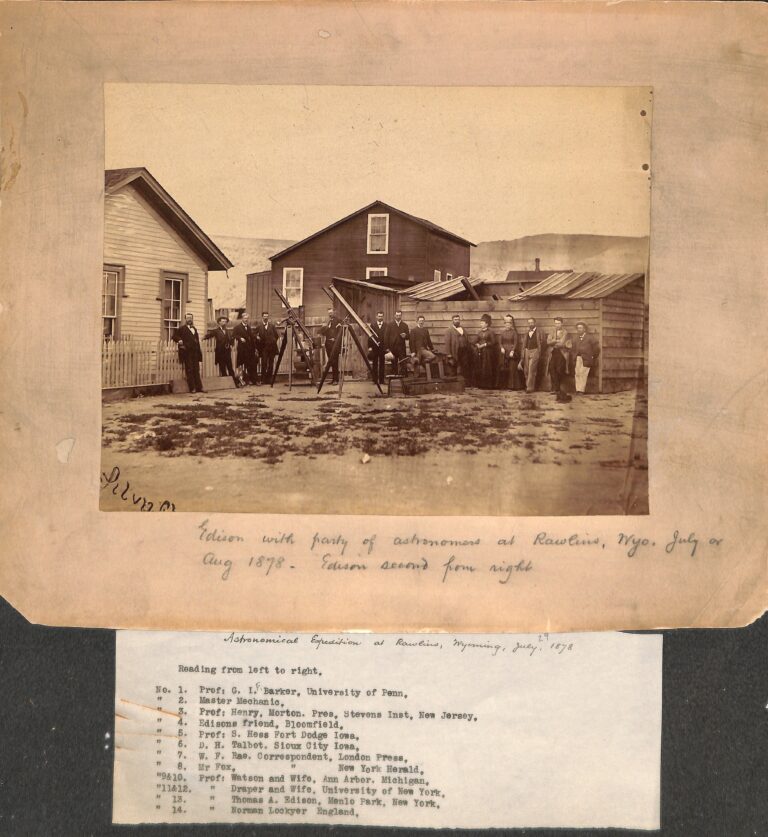
On 29 July 1878, Thomas Edison stood near Rawlins in Wyoming Territory while the Moon’s shadow crossed the Sun.
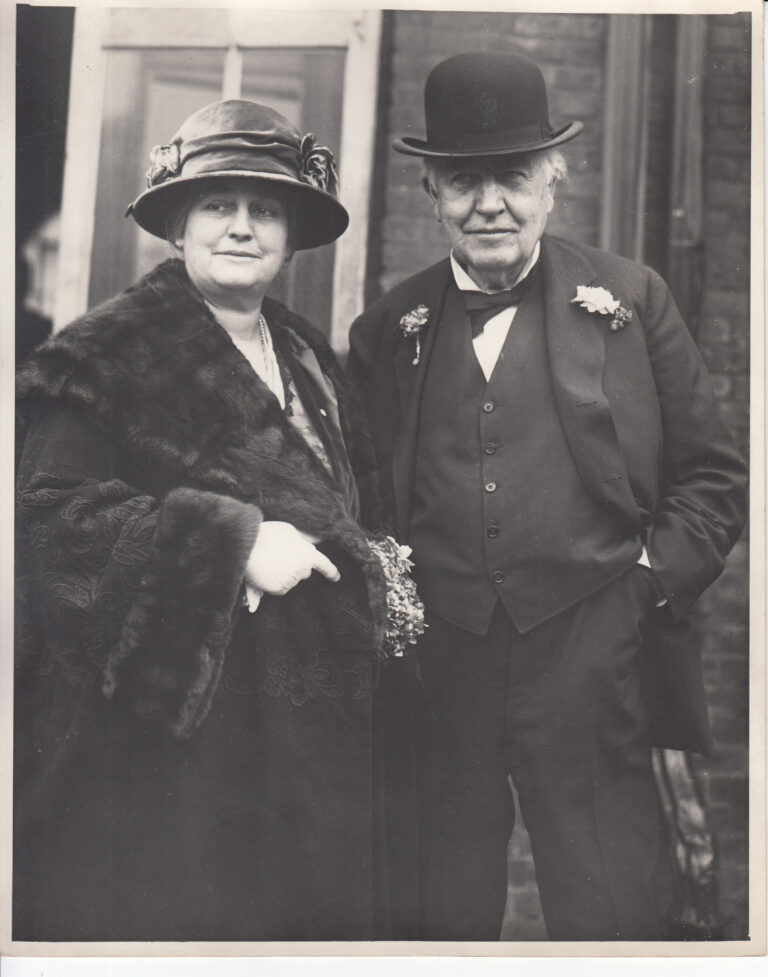
In 1910 Thomas Edison gave an interview that seemed to deny the existence of the human soul. Newspapers condensed his argument into a more explosive label: atheist.
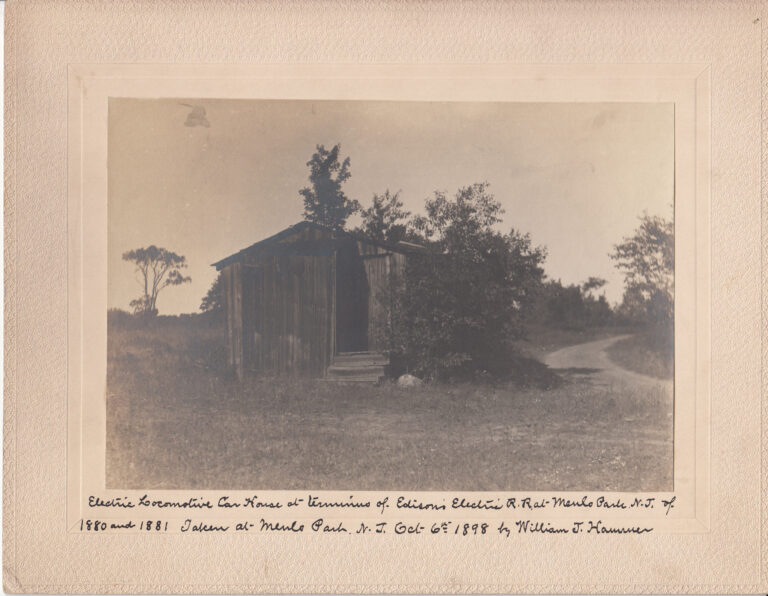
In May 1880 a small electric locomotive moved along a rough track at Menlo Park. It pulled cars past the laboratory, powered not by batteries or a steam engine but by current supplied from a central dynamo.
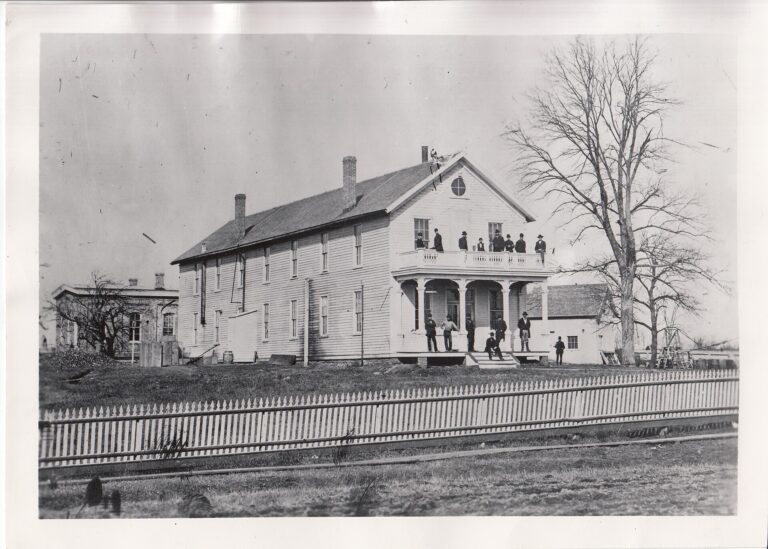
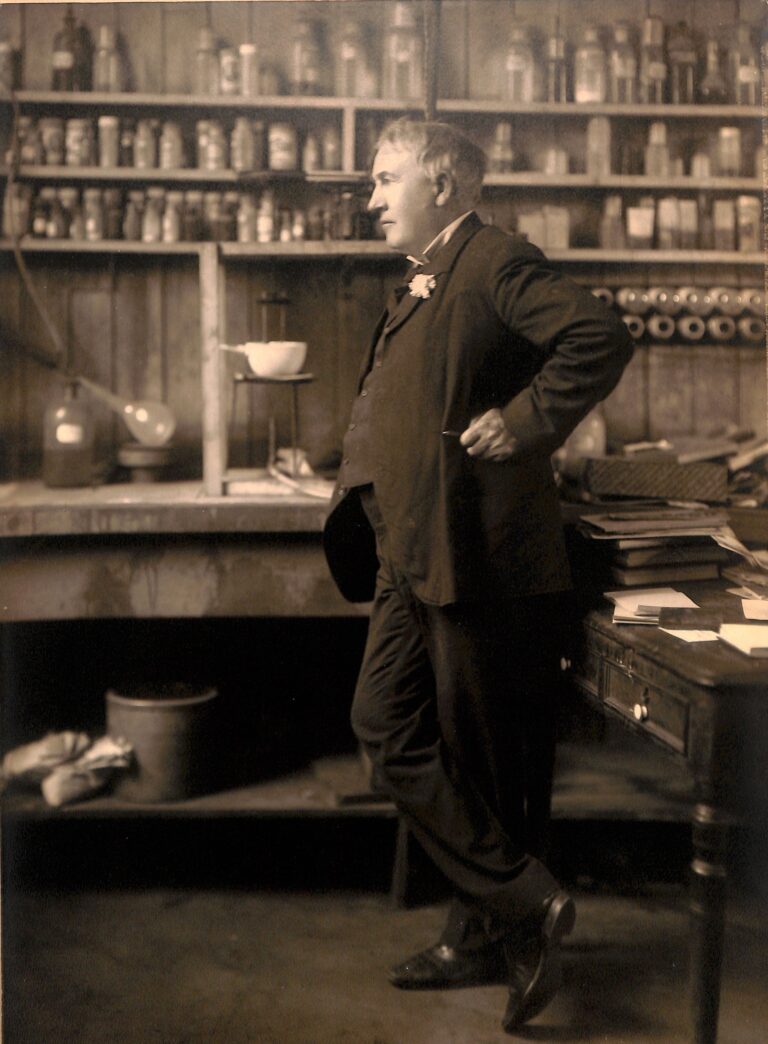
Step inside Edison’s Menlo Park invention factory: the people, workshops and working methods behind the phonograph, electric light and modern R&D.
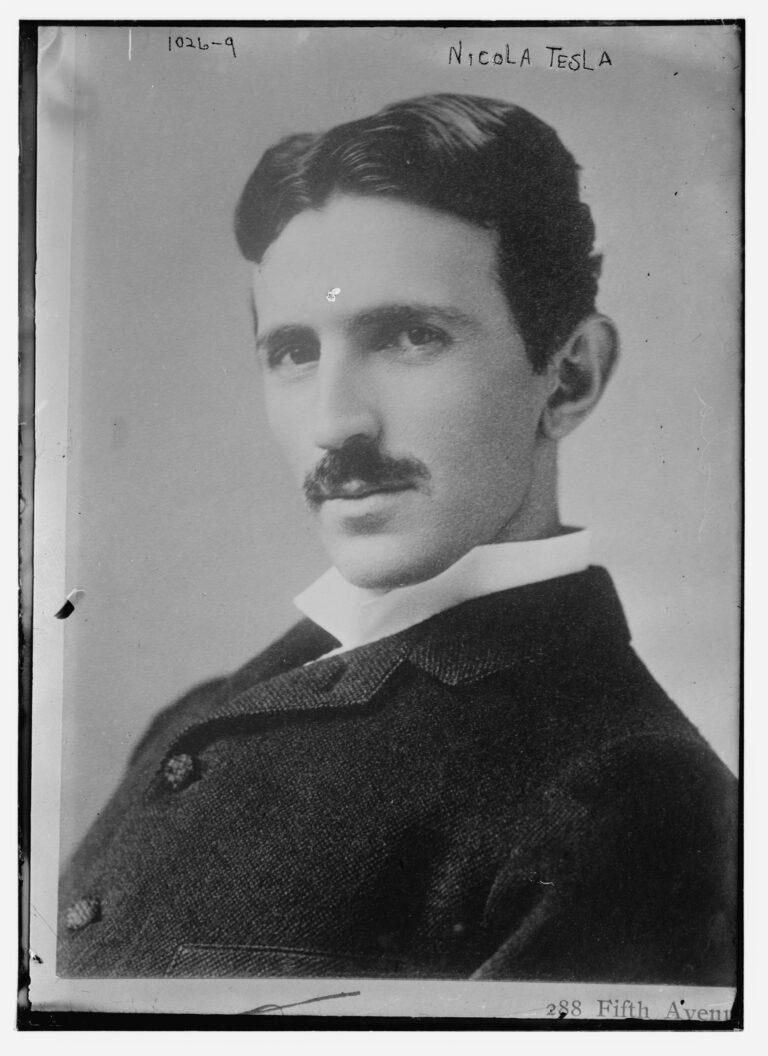
Edison and Tesla were not simple enemies. Discover how Westinghouse, AC, the electric chair and the Topsy myth shaped the real Current War.
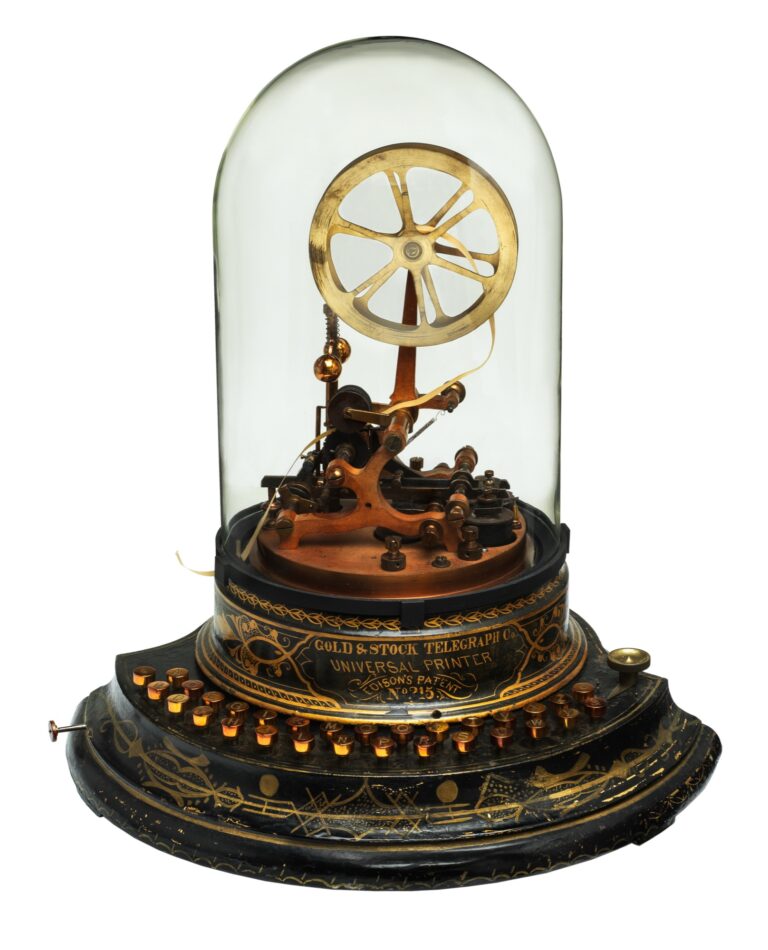
What did Thomas Edison really invent? A documented guide to the phonograph, electric light, motion pictures, batteries, failures and the team behind the patents.
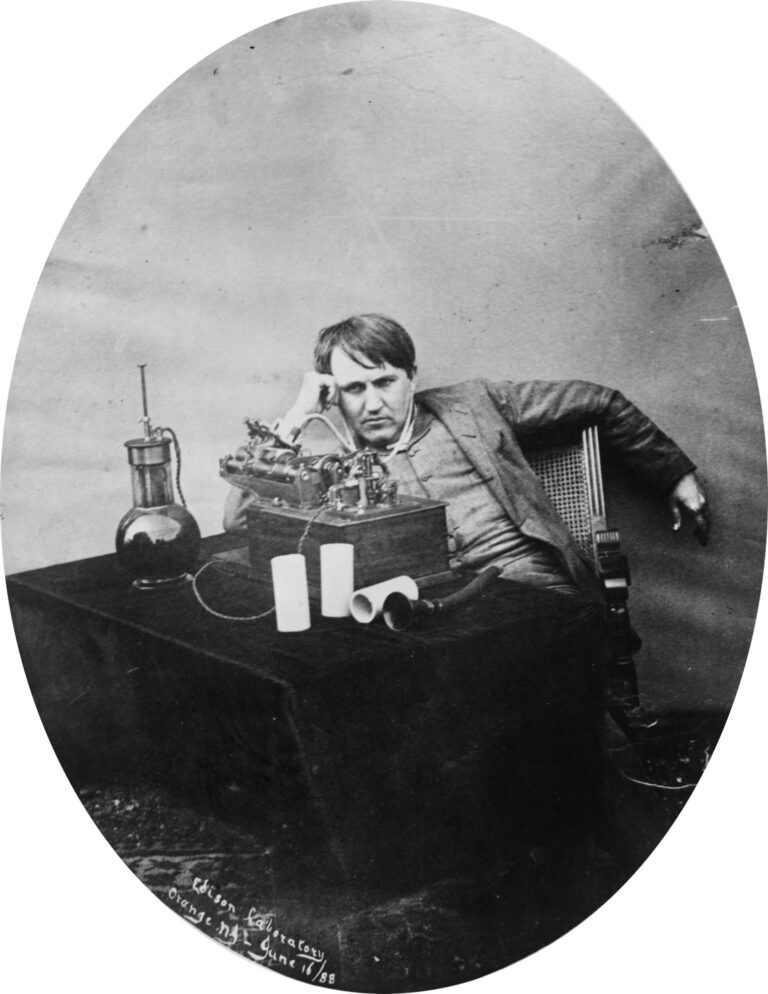
How Edison’s fragile tinfoil phonograph became wax cylinders, Diamond Discs and a recording business shaped by rivals, workers, performers and changing listeners.
A balanced assessment of Thomas Edison’s legacy: inventions, laboratory teamwork, patents, factory labour, commercial power, failure, disability and controversy.
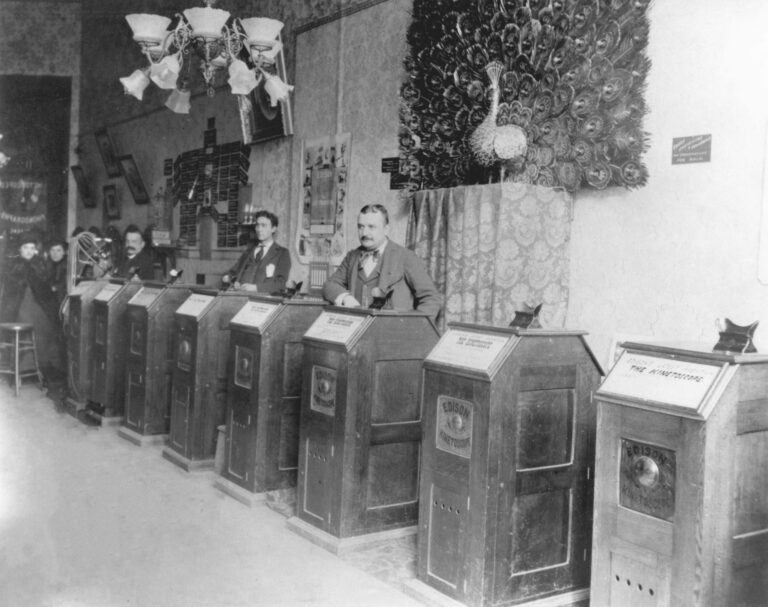
What Edison’s laboratory really contributed to motion pictures: W. K. L. Dickson, the Kinetograph, Kinetoscope, Black Maria, Vitascope and early film business.