Thomas Edison has been remembered as a heroic lone inventor and attacked as a businessman who stole other people’s ideas. Neither portrait survives much contact with the evidence. The first turns a busy laboratory into a one-man theatre. The second mistakes collaboration, employment and patent ownership for proof that Edison contributed nothing.
His real legacy is more interesting. Edison could identify a practical problem, organise people and money around it, test hundreds of possible solutions and build the factories and services needed to carry an invention into daily life. That method helped to reshape sound recording, electric lighting and motion pictures. It also produced failures, harsh commercial tactics and a public legend that often hid the people who worked beside him.
The useful question is not whether Edison was a saint or a fraud. It is what he did, how he did it, who shared the work and what his methods cost.
The achievement was larger than the objects
Edison received 1,093 United States patents, but the number is a poor measure of either genius or influence. A patent might protect a new machine, a part of a system or an improvement to an existing process. Several patents could belong to one commercial product, while an important organisational idea could not be patented at all.
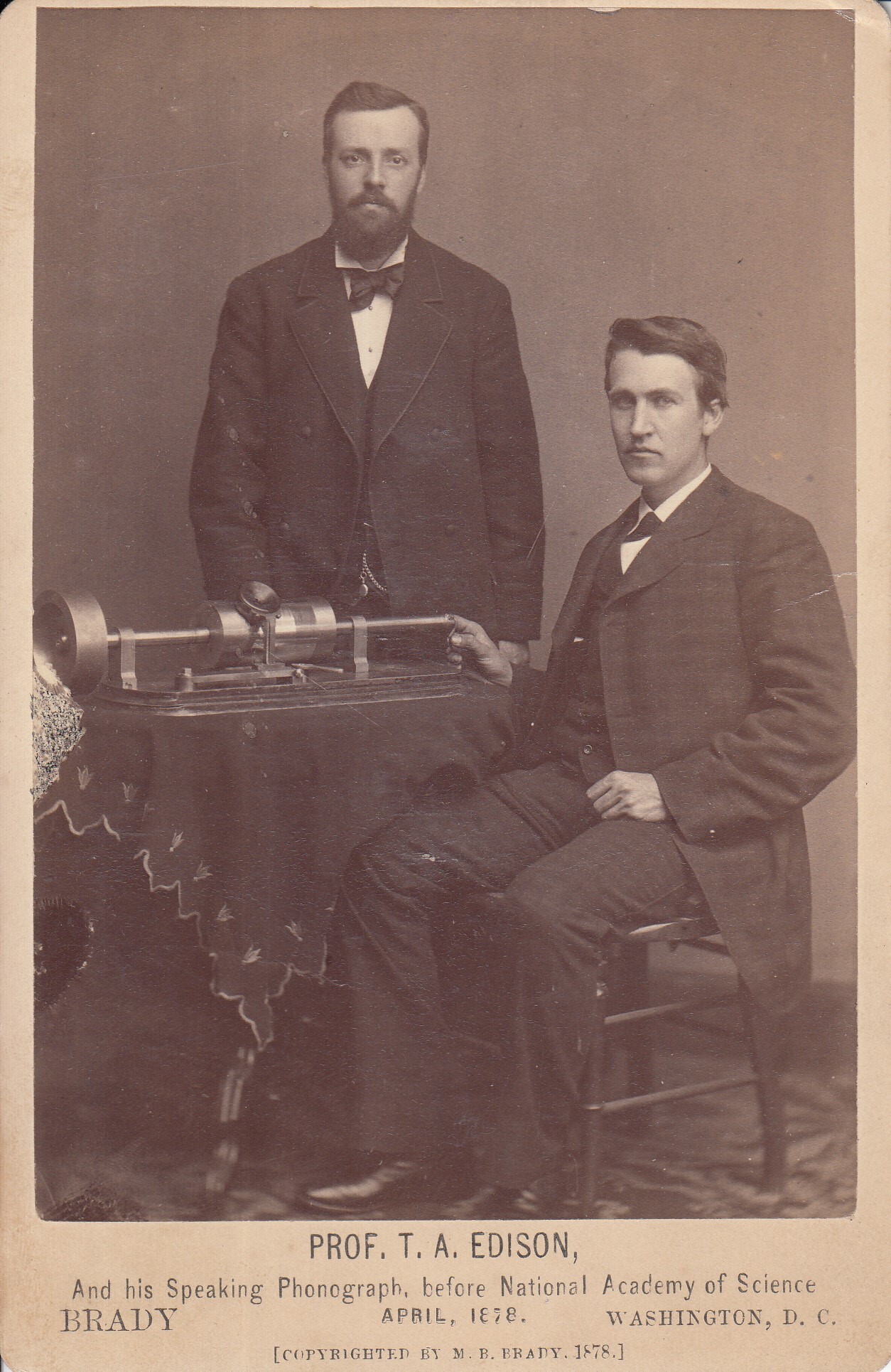
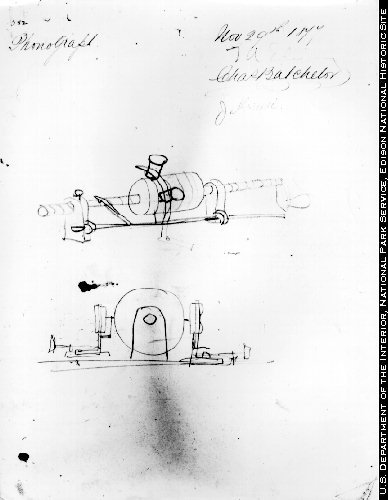
His earliest success came in telegraphy. Working as a travelling operator taught him how networks failed, what companies would pay for and why an invention had to work in the untidy conditions of a real office. Improvements to stock printers and high-speed telegraph systems financed his move from repairman to independent inventor. The carbon telephone transmitter improved the practical reach of Bell’s telephone. The phonograph of 1877 created the unprecedented experience of hearing recorded sound returned by a machine.
Electric light showed the full scale of Edison’s ambition. Incandescent lamps already existed, but no lamp by itself could replace gas lighting. Edison’s organisation worked on the filament, vacuum, generator, wiring, meter, sockets, switches, fuses and the economics of a central station. Pearl Street began supplying part of lower Manhattan in September 1882. The achievement was a working electrical service, not a single bulb appearing above an inventor’s head.

That system-building habit continued at West Orange. Edison’s companies linked research rooms, machine shops, chemical stores, recording studios and factories. Motion-picture experiments led to a camera, a peephole viewer, a studio and a film business. Storage-battery research continued through thousands of tests until it produced a durable product for railway lighting, signals, mines and other uses. These were not all equally original, profitable or wise. Together, however, they explain why a list of famous Edison inventions captures only part of his importance.
Menlo Park changed the organisation of invention
Before Edison, inventors certainly employed assistants, used workshops and depended on investors. Menlo Park did not invent teamwork. Its importance lay in bringing research, skilled manufacture, scientific knowledge, supplies and commercial aims into one deliberately organised place.
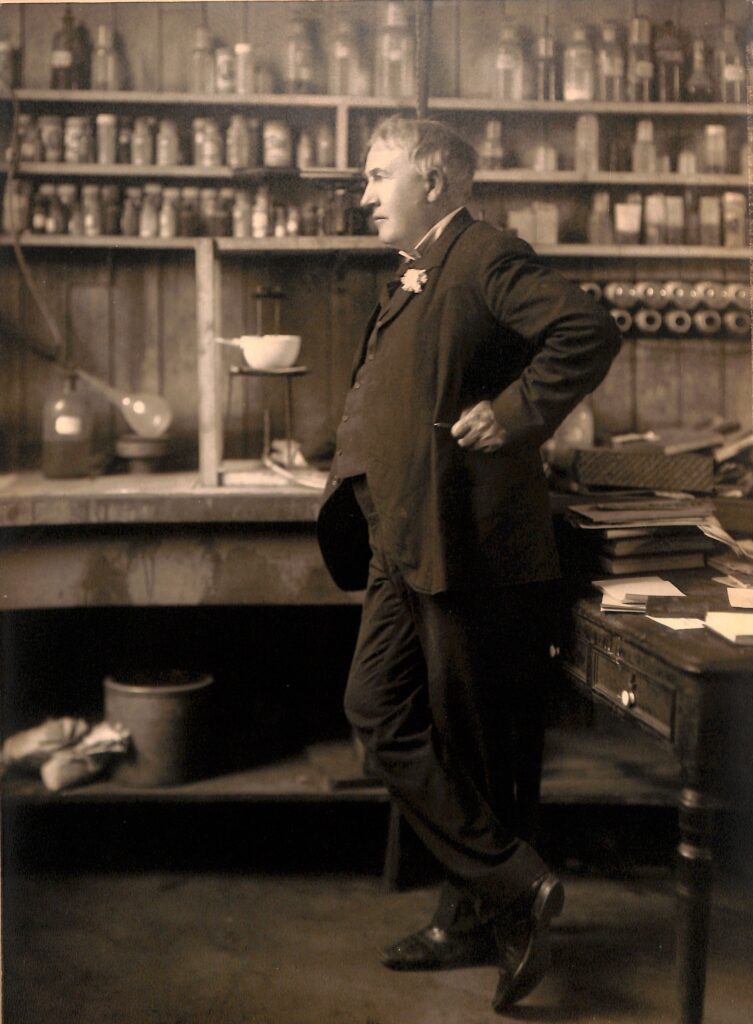
The laboratory opened in 1876 beside the railway in rural New Jersey. It contained precision machine tools, a chemical laboratory, a technical library and space in which an idea could move quickly from sketch to model and test. When Western Union and phonograph income enlarged the staff, Edison added experimenters, machinists, patternmakers, glassblowers, draftsmen and university-trained scientists. By the height of the electric-light work, between fifty and sixty men could be involved.
This concentration of skills shortened the distance between thinking and making. A drawing did not have to leave the building and wait for an outside workshop. A machinist could build it, an experimenter could test it and the group could alter it the same night. Supplies were kept on hand because an unexpected material might solve the problem. Records of trials allowed one experiment to direct the next.
At West Orange, opened in 1887, the model became larger and more managerial. Edison could assign different projects to several teams while acting as a research director: proposing problems, questioning results, moving people between tasks and deciding which line of work deserved more time. Rutgers historians have called the professional research director one of the important products of the new laboratory. Modern corporate research did not descend from Edison alone, but his laboratories offered a conspicuous working example.
The method had weaknesses. Edison could pursue too many projects, exhaust employees and mistake activity for progress. Yet it established a durable principle: sustained invention could be organised. The modern research laboratory, in which different specialists share equipment and attack related parts of a commercial problem, is one of his deepest legacies. The fuller story of that transformation belongs to Menlo Park and the laboratory that changed invention.
The people behind the Edison name
The word “Edison” on a patent or product could represent a personal insight, a directed team effort, a company improvement or some combination of the three. That does not make every patent false. It does mean that credit has to be assigned project by project.
Charles Batchelor was Edison’s most trusted experimental associate during the Menlo Park years. Swiss-born John Kruesi turned rough sketches into working apparatus, including the first tinfoil phonograph. Francis Upton brought advanced mathematical and scientific training to the electric-light programme. Glassblower Ludwig Boehm and experimenter Charles Wurth helped with lamps and vacuum work. At West Orange, chemist Jonas Aylsworth developed materials for sound recordings, Walter Miller became a recording expert, and Reginald Fessenden and Arthur Kennelly built careers that extended far beyond their time in Edison’s service.
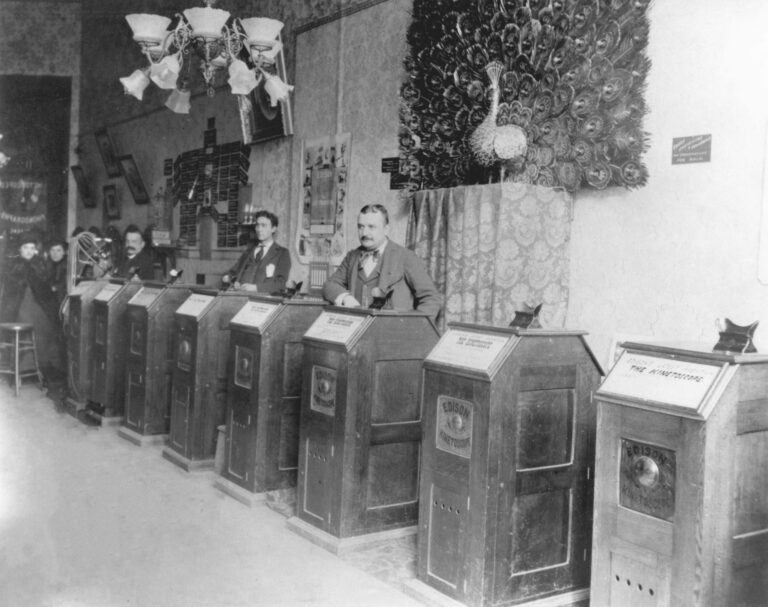
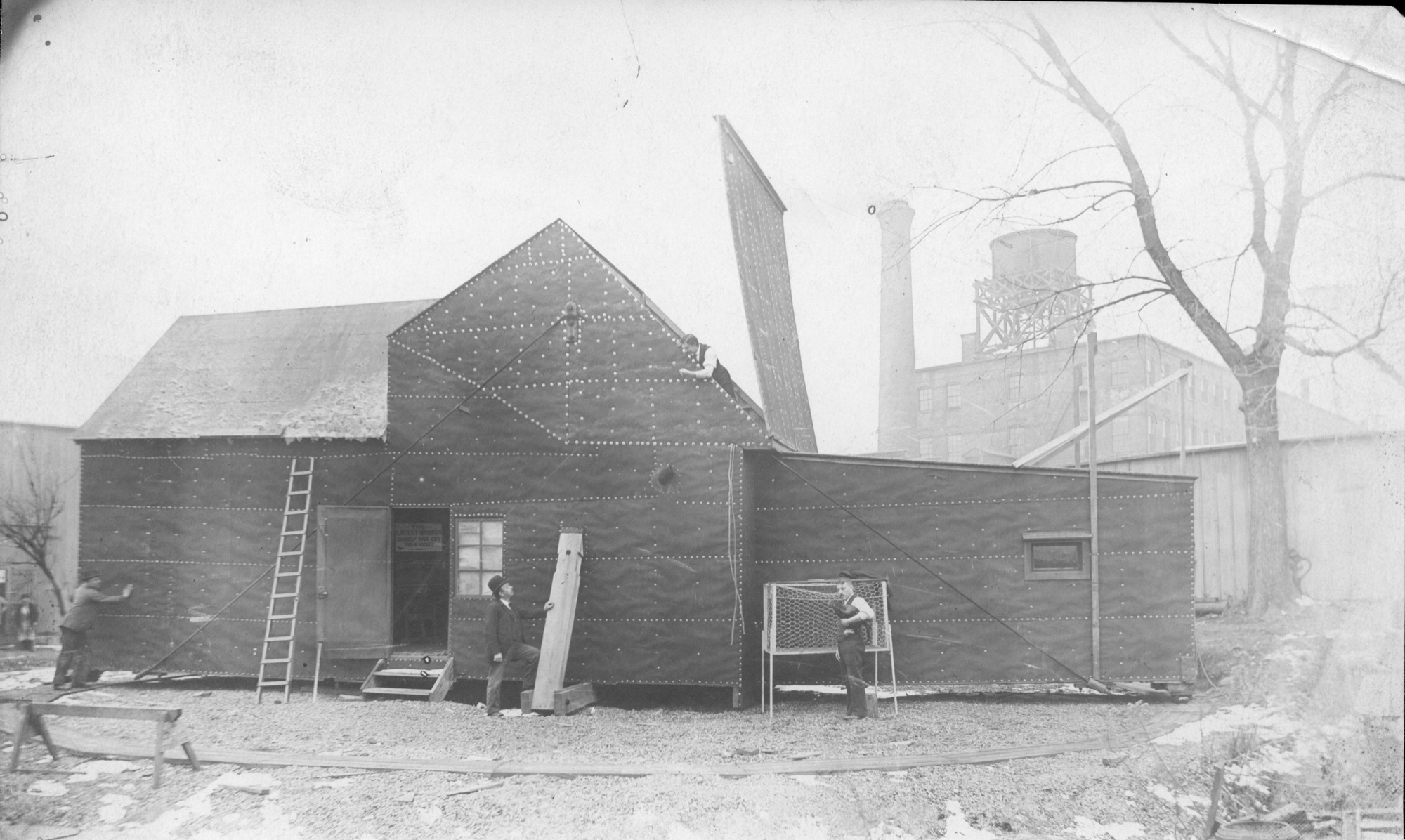
Motion pictures make the division especially clear. Edison proposed a machine that would do for the eye what the phonograph had done for the ear, provided money and laboratory resources, and controlled the resulting business. W. K. L. Dickson carried out the greater part of the photographic experimentation, with William Heise and others. The Kinetograph camera, Kinetoscope viewer and Black Maria studio were Edison laboratory achievements; presenting them as objects personally fashioned by Edison erases the work that made them possible.
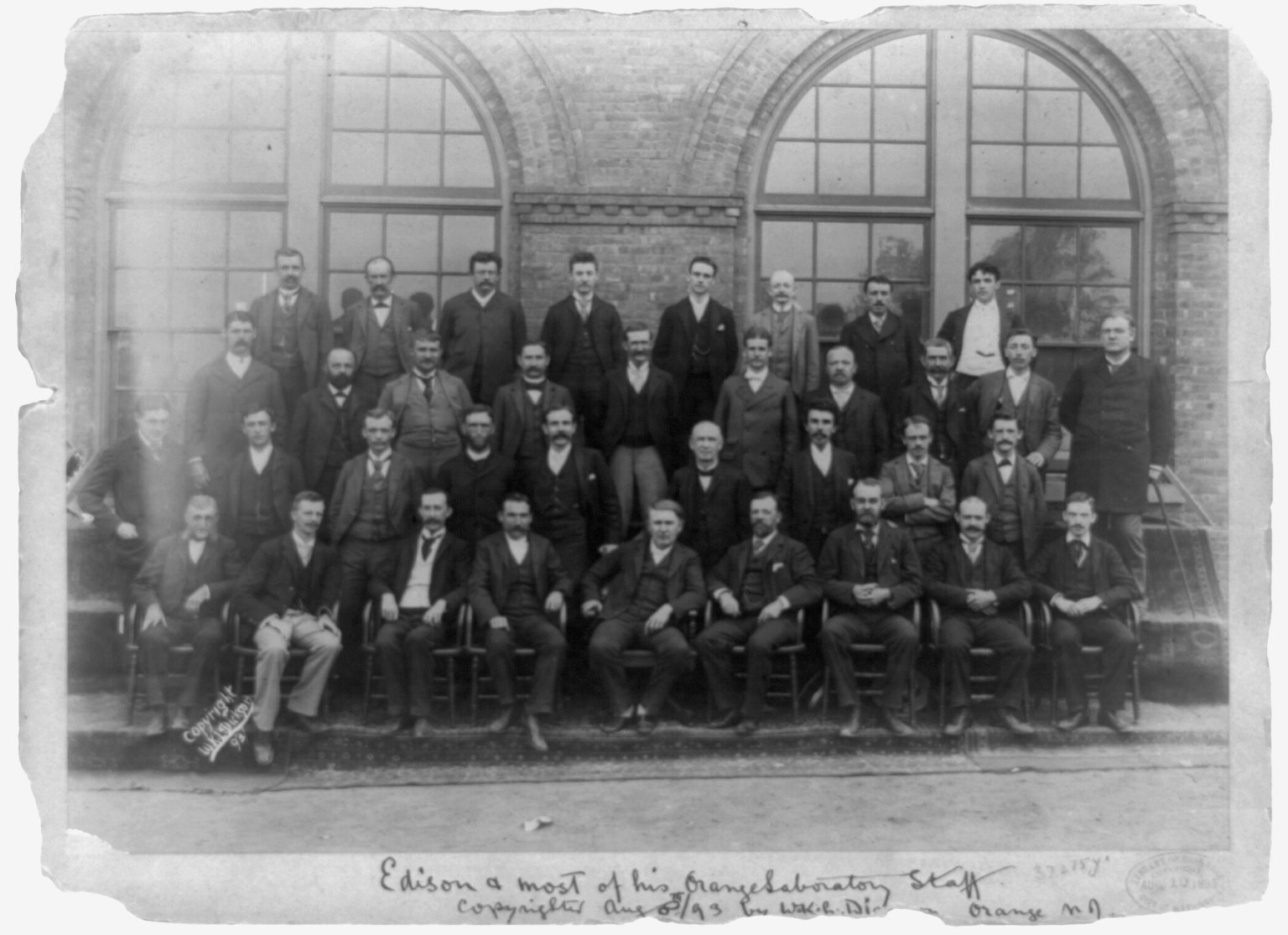
The arrangement also concentrated authority. Employees generally received wages, not equal ownership of everything they developed in company time. Some held patents of their own or were named jointly; many contributions disappeared beneath the employer’s name and advertising. Edison could be generous with responsibility while remaining exacting about control. The National Park Service records long hours, low pay in some departments and a high turnover among machinists. A former worker remembered that Edison’s sarcasm could be withering.
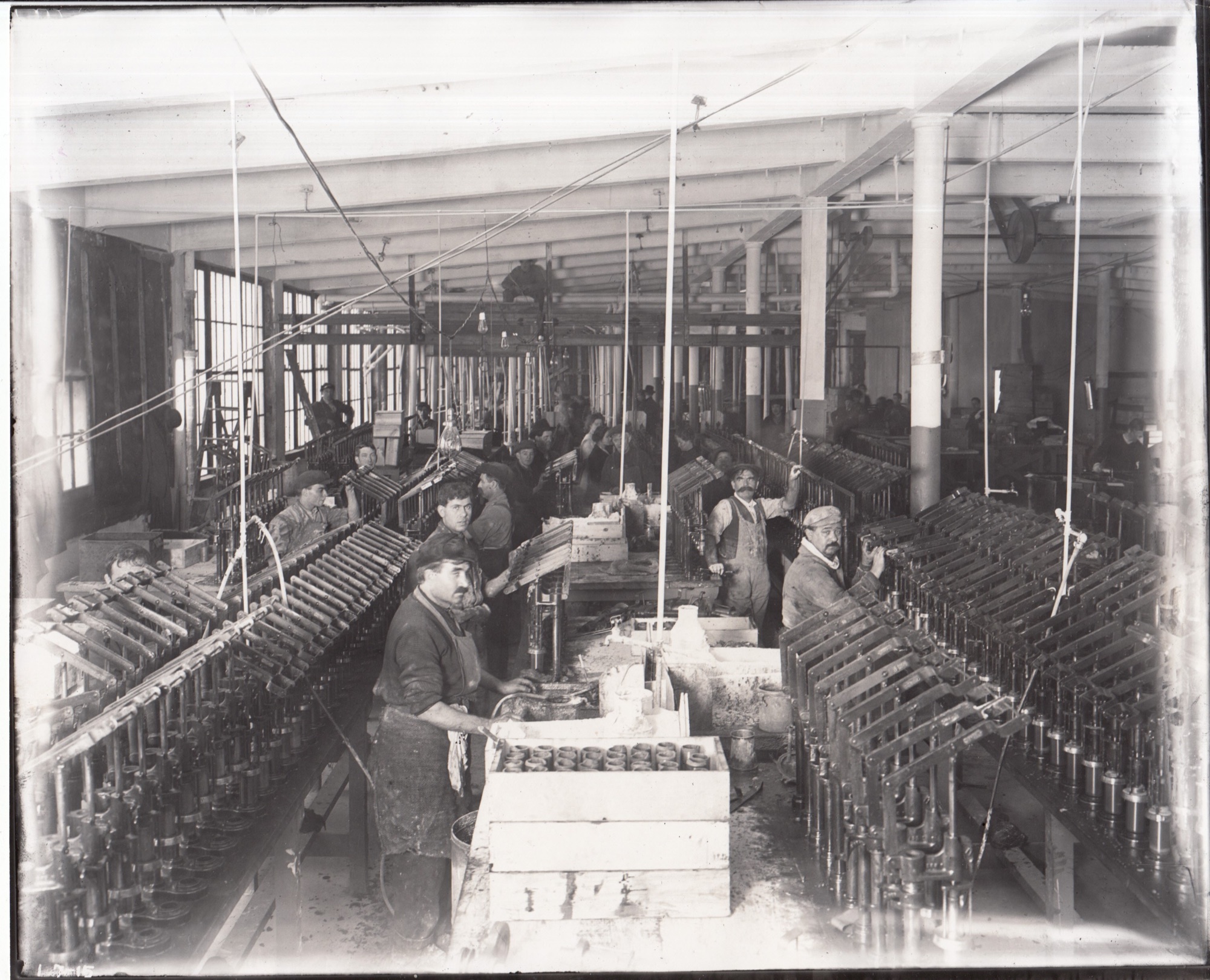
The labour force extended well beyond the celebrated “muckers”. Men and women in the factories made lamps, records, batteries and film equipment, often on a fifty-five-hour, six-day week. During the First World War the West Orange industrial complex employed thousands. Their repetitive production work turned experimental models into objects that customers could buy. The glamour remained in the laboratory; the scale came from the factory.
Even the more inclusive versions of the Edison story need care. Lewis Latimer was a major African-American inventor, draftsman and patent expert who worked for an Edison company and later joined the Edison Pioneers. He did not work as one of Edison’s Menlo Park or West Orange laboratory assistants. Claiming that he secretly invented Edison’s lamp replaces one distortion with another and obscures Latimer’s documented career.
Patents were tools as well as trophies
A patent is a legal claim, not a medal issued after historians have decided who deserves cultural credit. It gives an inventor, or the person or company to whom rights are assigned, a temporary right to exclude others from using the claimed invention. In return, the patent makes the invention public. Nineteenth-century inventors used patents to obtain finance, license manufacturers and defend markets.
Edison became exceptionally skilful at this system. His lawyers filed applications, negotiated interferences with rival claimants and assembled groups of patents around a commercial technology. Investors sometimes acquired the rights; companies often owned the practical power. The resulting number of Edison patents includes fundamental devices, narrow improvements and foreign equivalents counted separately in some popular totals. It does not mean that he invented 1,093 unrelated products.
The system rewarded persistence and documentation, qualities at which his organisation excelled. It could also encourage obstruction. In motion pictures, Edison’s companies pursued rivals in court, while the Motion Picture Patents Company pooled important patents and licensed manufacturers, exchanges and theatres. The arrangement tried to impose order on a chaotic market, but it also attempted to control who could make, distribute and show films. A federal court found the combination unlawful in 1915.
There is a difference between enforcing a valid patent and using a portfolio to dominate an industry. Edison did both. His legacy therefore belongs not only to laboratory research but to the modern world of corporate intellectual property: a world in which innovation, ownership and market power are closely connected.
The public “Wizard” was also a business asset
The New York press began calling Edison the “Wizard of Menlo Park” after the phonograph astonished reporters in 1877. He looked unlike a polished financier. Rumpled clothes, chemical stains and long laboratory vigils supported the image of a practical man pulling marvels from machinery. Edison understood the value of that image and gave journalists access when publicity could help a project.
Personal fame reassured investors and sold products, but it compressed group work into a recognisable signature. Advertisements promised “Edison” sound; projectors were promoted under his name even when Thomas Armat and C. Francis Jenkins had developed the underlying machine; films made by company cameramen travelled under the Edison brand. The inventor became a guarantee of modernity.
That publicity still shapes arguments about him. Admirers repeat sales claims as biography. Critics react by treating every claim as theft. The surviving notebooks, correspondence, payrolls, patents and company records allow a more precise account. Edison was not merely the face placed on another man’s laboratory. He selected problems, contributed ideas and experiments, raised capital and made decisive technical and commercial judgements. He was also the face placed on a large amount of other people’s work.
Failure was part of the method — but persistence was not always enough
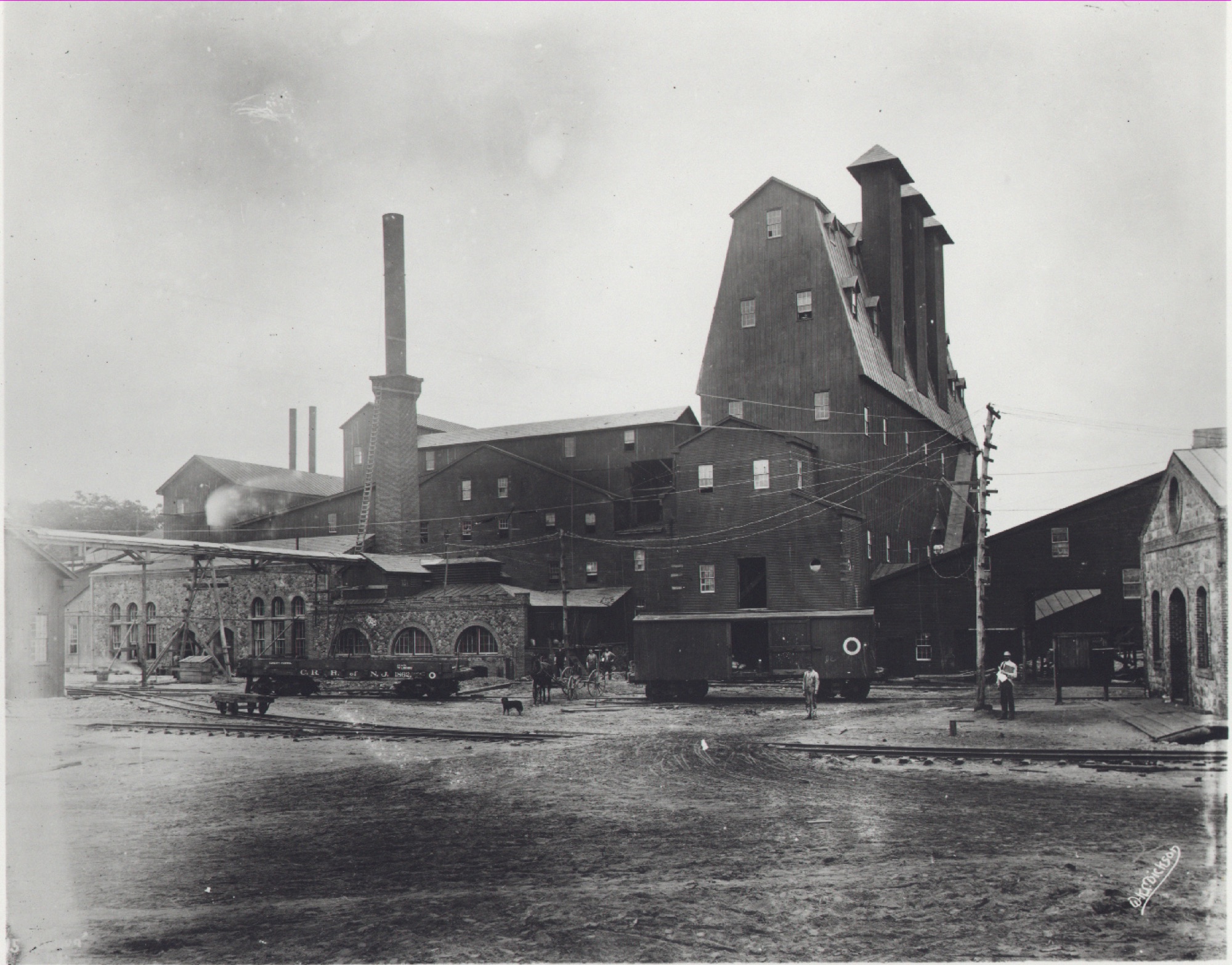
Edison’s reputation for persistence is deserved. It is not proof that every long investigation was successful. His magnetic iron-ore separation project consumed much of the 1890s and a large part of his personal fortune. The engineering works functioned, but falling prices for high-grade ore made the low-grade New Jersey material commercially hopeless. A better separator could not repair the economics.
Other disappointments followed. Talking dolls reached customers with fragile miniature phonographs and were withdrawn. Moulded concrete houses promised cheap, fire-resistant homes but required expensive forms and attracted little demand. Edison remained committed to cylinder records after the market had moved towards discs, then resisted electrical recording while competitors produced a more modern sound. His faith in measurement sometimes coexisted with a reluctance to accept what customers had already decided.
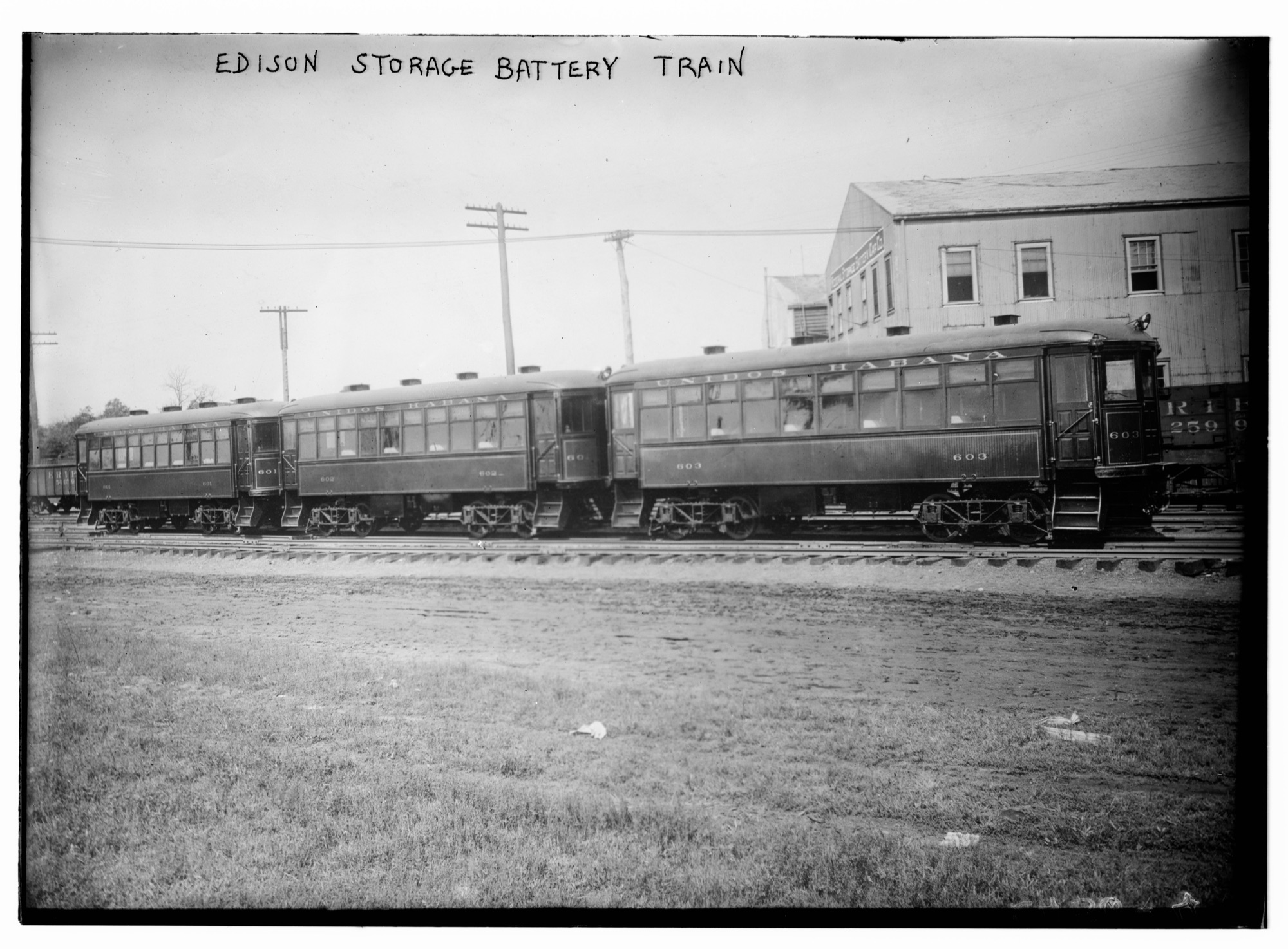
The alkaline storage battery offers the opposite lesson. Early cells leaked and lost capacity. Edison recalled batteries, returned to the chemistry and delayed relaunch until the product satisfied him. By then, petrol cars had weakened the electric-car market for which he had intended it. The battery nevertheless succeeded in railway vehicles, signals, mines and maritime equipment, eventually becoming one of his most profitable products.
“Never give up” is too simple a conclusion. Edison’s record shows both the value of testing and the danger of refusing to stop. Persistence works when the technical problem can be solved and another market exists. Ore milling shows what happens when the external conditions have defeated the idea.
Electric power left a complicated moral record
The War of the Currents is often retold as a duel between Edison and Nikola Tesla. The commercial struggle was principally between Edison’s direct-current companies and George Westinghouse’s alternating-current system. Tesla’s polyphase patents strengthened Westinghouse’s position, but AC distribution and the safety argument were already larger than either inventor.
Edison had a legitimate technical concern: the high-voltage overhead wires appearing in American streets caused terrible accidents. He also had a financial interest in convincing the public that Westinghouse current was uniquely dangerous. In 1888 and 1889, Edison privately supported electrical engineer Harold Brown, whose campaign included killing dogs and other animals with alternating current before reporters. Edison recommended AC for New York’s proposed method of execution and allowed laboratory facilities and staff to assist Brown.
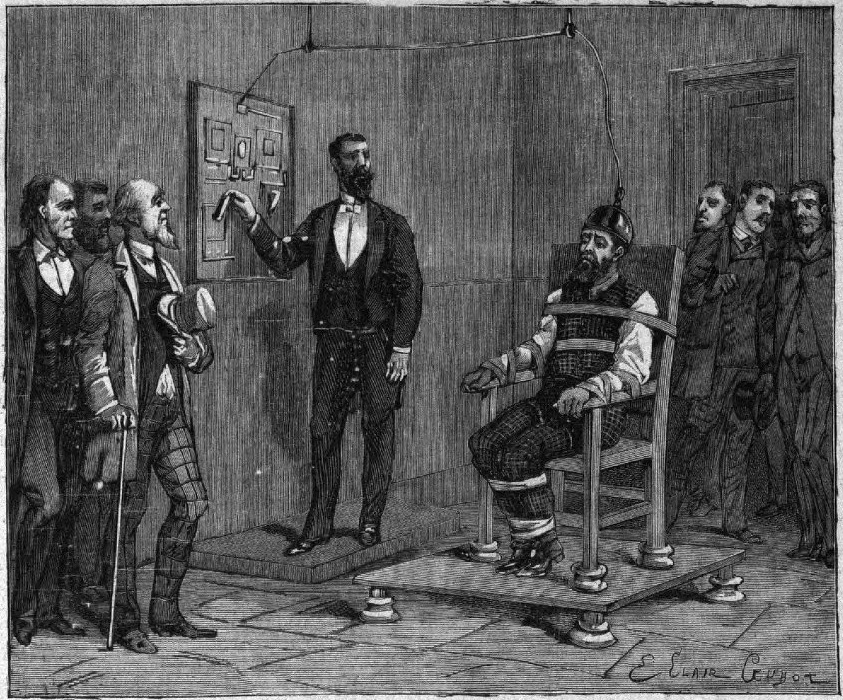
William Kemmler’s execution in 1890 was horribly prolonged. Edison did not design the chair or attend the execution, yet his part in the campaign cannot be explained away as a neutral safety demonstration. He helped to turn death into a commercial argument.
The later killing of Topsy the elephant is a different story. Edison did not order it, attend it or organise it in 1903. Luna Park’s owners and the Society for the Prevention of Cruelty to Animals decided upon the method, a local electrical company supplied current, and an Edison film crew recorded the event. Blaming Edison personally for Topsy ignores the documented chronology. It should not be used to erase his earlier support for animal electrocution. The full evidence is examined in the Edison, Tesla and War of the Currents article.
Sound and pictures altered memory itself
Electric light changed streets, factories and homes, but the phonograph and motion picture changed the relationship between experience and time. A voice no longer had to disappear when the speaker stopped. A performance could be repeated far from the room in which it occurred. Movement could be studied, sold and projected to an audience.
Edison did not foresee every consequence. His first list of phonograph uses placed business dictation before music. He treated the early Kinetoscope as an individual viewer partly because one cabinet could earn money from one customer at a time. Rivals and audiences redirected both media. Wax cylinders, moulding processes, discs, projection, editing, purpose-built cinemas and electrical sound carried the industries beyond his first machines.
That does not reduce the importance of the beginning. Edison’s laboratory proved that recorded sound could be a repeatable mechanical process and helped establish a commercial recording business. Its motion-picture team created a workable camera and viewer, standardised a durable film format and supplied some of the earliest American films. For the division of labour behind these achievements, see the detailed histories of the phonograph and Edison’s motion-picture programme.
The cultural record was never neutral. Early catalogues reflected the racial attitudes, stereotypes, entertainments and colonial gaze of their period. Recording managers decided which performers and languages were profitable. Film companies staged wars and Indigenous dances for customers who rarely knew the circumstances of production. A machine that preserves can also select, frame and exploit. That is part of the legacy of recorded media as much as technical ingenuity.
Deafness shaped Edison’s working life
Edison experienced severe hearing loss from youth. He offered several explanations for it, including childhood illness and accidents on trains; the exact medical cause cannot be reconstructed with confidence. What is clear is that he did not regard himself as incapable of work. He learned to concentrate in noisy workshops, communicated through notes and relied on intense tactile attention when judging recorded sound.
His deafness contributed to the public image of the absorbed inventor, indifferent to distraction. It may also have intensified his control over phonograph testing. Edison sometimes bit a wooden part of a machine or rested his head against it to feel vibration. He made strong judgements about tone despite being unable to hear as most listeners did.
That public image became international theatre at the Paris Exposition of 1889.
It would be sentimental to claim that deafness simply gave him a gift. It caused practical difficulty and required adaptation. Nor should it be treated as an inspiring obstacle that disappeared through willpower. Edison’s career is evidence that a disabled person could shape modern communication while working with — not magically overcoming — a lasting impairment.
The legends tell us what later generations wanted
Several familiar Edison stories come from late recollection, publicity or repetition rather than contemporary evidence. The heroic version has him inventing the light bulb alone after thousands of failures. The hostile version has him cheating Tesla of a promised $50,000, stealing every important invention and killing Topsy to frighten the public about AC.
There are facts beneath the legends. Edison’s team tested a great many lamp materials, but the famous numbers vary and are often detached from their original contexts. Tesla later wrote that a manager promised a $50,000 reward for redesigning Edison dynamos; no surviving contemporary record confirms the exact sum or conversation. Edison’s organisation used aggressive patent strategy and sometimes buried employee credit, but its notebooks show him participating in many central investigations. He supported disturbing animal experiments during the Current War, but the Topsy event occurred more than a decade later without his direction.
The myths persist because they make technological change personal. A complicated industry becomes one genius. A complicated injustice becomes one villain. Edison encouraged the first simplification through his publicity, so he cannot be surprised by the reaction against it. History improves when it restores the organisations, rivals, workers, investors and customers around him.
How Thomas Edison should be remembered
Edison did not invent modern life single-handedly. He did not need to. His documented achievements are substantial enough without the folklore. He developed the first practical system for recording and reproducing sound, led the creation of a commercially effective incandescent-lighting system, organised influential research laboratories and built companies that carried experimental devices into mass use. His laboratory made major early contributions to motion pictures and developed a durable alkaline battery after a decade of difficulty.
Credit belongs beside those achievements. Batchelor, Kruesi, Upton, Dickson, Heise, Aylsworth, Miller and many others supplied essential craft, science and judgement. Factory workers supplied the scale. Rivals such as Bell, Tainter, Swan, Westinghouse, Tesla, the Lumières and countless less famous inventors supplied ideas and competition. Consumers decided which inventions endured.
Responsibility belongs there too. Edison’s name and companies benefited from unequal credit, exhausting labour, hard patent tactics and the sensational use of animal death in an electrical campaign. His confidence produced failures as well as breakthroughs. His organisations did not always adapt to industries they had helped to begin.
The final balance is neither worship nor cancellation. Edison mattered because he joined invention to organisation. He treated a machine as the centre of a system involving materials, power, production, finance and use. That approach helped create the corporate research world that followed him. It also concentrated rewards and public memory at the top.
His most revealing monument is therefore not a bulb or phonograph. It is the West Orange laboratory: benches crowded with other people, shelves full of trial materials, notebooks recording success and waste, factories waiting outside. Edison’s legacy lives in that mixture of imagination, collaboration, persistence, commerce and conflict.
Sources and further reading
- Thomas A. Edison Papers: Building the Lab — Menlo Park’s equipment, cost, timetable and influence on later research laboratories.
- Thomas A. Edison Papers: Expanding the Laboratory — staff growth, specialisms and the development of electric light as a system.
- Thomas A. Edison Papers: Competing Interests, 1888–1889 — Edison’s role as research director at West Orange.
- Thomas A. Edison Papers: Patents and the American Patent System — patent ownership, assignments, interferences and historical context.
- Thomas Edison National Historical Park: Edison Biography — laboratories, lighting, motion pictures, ore milling and storage batteries.
- Thomas Edison National Historical Park: Edison and His Era — West Orange scale, immigrant labour, factory hours and later decline.
- Thomas Edison National Historical Park: The Gifted Men Who Worked for Edison — Aylsworth, Ott, Fessenden, Dickson, Miller, Latimer and laboratory conditions.
- Smithsonian National Museum of American History: 19th Century Competition — lighting systems, DC and AC competition and the electrical industry.
- Smithsonian National Museum of American History: 20th Century Invention — Edison’s team method and its relationship to modern industrial laboratories.
- Library of Congress: Origins of Motion Pictures — Edison, Dickson, Heise and the experimental film programme.
- Thomas A. Edison Papers: The Current Wars — Harold Brown, animal experiments, the electric chair and the commercial safety campaign.
- Thomas A. Edison Papers: Myth Buster — Topsy the Elephant — the 1903 chronology and Edison’s lack of personal involvement.
- Paul Israel, Edison: A Life of Invention (John Wiley & Sons, 1998) — scholarly biography used for Edison’s management, personality, disability and commercial career.
- Robert Friedel and Paul Israel, Edison’s Electric Light: Biography of an Invention (Rutgers University Press, 1986) — collaborative development of the lamp and electrical system.